The 1970s File Feature
Long Tall Glasses (I Can Dance)
Long Tall Glasses (I Can Dance) — Leo Sayer's Joyful Breakthrough The Unlikely Star Who Could Picture the mid-1970s pop landscape: glam rock was glittering o…
01 The Story
Long Tall Glasses (I Can Dance) — Leo Sayer's Joyful Breakthrough
The Unlikely Star Who Could
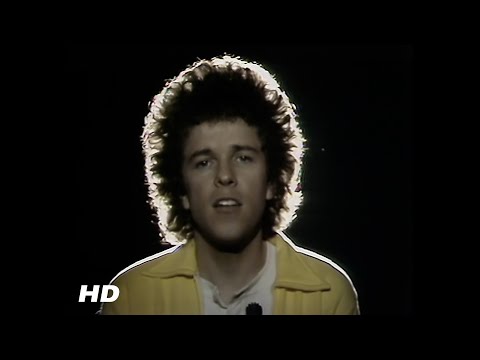
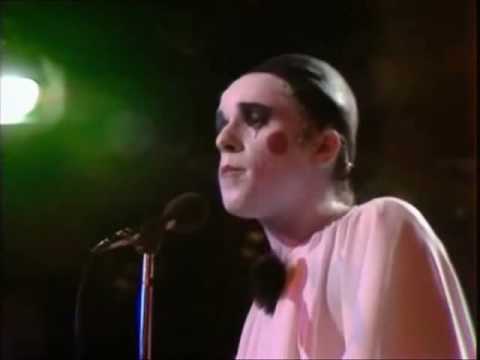
Picture the mid-1970s pop landscape: glam rock was glittering out, disco was warming up on the horizon, and a wiry young Englishman in a pierrot clown costume was confounding everyone's expectations. Leo Sayer had arrived from Brighton with a theatrical flair and a voice that could leap from tender falsetto to full-throated exuberance within the same phrase. By the time Long Tall Glasses (I Can Dance) reached American ears in early 1975, Sayer had already made waves in the United Kingdom with his debut, but the United States was a different challenge entirely. This track became the vehicle that announced him to a much wider world.
Sayer's career had started with something of a borrowed identity. His early image, the greasepaint and ruffled costume, was vivid but also a mask that his managers and collaborators had partly constructed around him. As he pushed into his second album cycle, there was a conscious effort to let the man behind the makeup step forward. Long Tall Glasses was part of that transition: ebullient, self-deprecating, and genuinely charming in a way that clown makeup alone could never sustain.
The Making of a Bouncing Anthem
The song was written by Leo Sayer and David Courtney, the songwriting partnership that had given Sayer much of his early material. Courtney had co-produced Sayer's debut and the two had a creative rapport built on wit and melodic instinct. The track appeared on Sayer's second studio album Just a Boy, released in 1974 in the United Kingdom and timed for American release in early 1975 through Warner Bros. Records.
Production-wise, the track has a bright, almost vaudevillian bounce. The arrangement keeps things light and propulsive, letting Sayer's vocal performance carry the comedic and emotional weight simultaneously. There are hints of music-hall tradition underneath the 1970s pop sheen, a quality that made Sayer something of a singular figure: too theatrical for pure rock, too melodic and clever for novelty pop. The song's narrator is a man who cannot afford the food being placed before him but offers something far more valuable in return: the ability to dance. It is a small, perfectly crafted scenario.
Storming the American Charts
The Billboard Hot 100 journey for Long Tall Glasses (I Can Dance) was a model of patient momentum. The single debuted on February 22, 1975 at position 82, then climbed with steady determination through the spring. Week by week it moved: from 70 to 59 to 49 to 35, building an audience that clearly responded to its infectious good humor. It ultimately peaked at number 9 on May 3, 1975, spending a total of 15 weeks on the chart. Breaking into the top ten on the Hot 100 as a British import with no obvious American rock credentials was a genuine achievement, and the song's success opened the door to what would become a remarkably durable American career for Sayer.
In the United Kingdom the song had already performed well, and its transatlantic success confirmed that Sayer's songwriting instincts translated beyond regional taste. Across those 15 weeks on the Hot 100, the track accumulated substantial radio play, particularly on the adult contemporary formats that were beginning to define what middle America listened to in the mid-decade doldrums between the British Invasion's fading afterglow and the full arrival of disco.
A Storytelling Voice in a Sea of Bombast
What set Long Tall Glasses apart from much of the competition in early 1975 was its narrative plainness. The song tells a small story about dignity and resourcefulness. Where other pop acts were chasing operatic ambition or genre novelty, Sayer was content to inhabit a beautifully modest scenario and sing it with complete conviction. That combination of low stakes and high commitment is genuinely difficult to pull off, and his performance makes it look effortless.
The track also showcased Sayer's range as a vocalist in a way that surprised listeners expecting something more typical. His ability to combine comedic timing with genuine emotional warmth in a single three-minute pop song was a calling card that would serve him well through a career that later produced massive hits on both sides of the Atlantic. The song established him as a craftsman rather than a novelty, and that distinction mattered for longevity.
The Legacy of a Debut Splash
Looking back across fifty years, Long Tall Glasses (I Can Dance) sits as the opening salvo of an American career that would eventually produce number one singles. Sayer followed this charming debut with You Make Me Feel Like Dancing in 1976 and When I Need You in 1977, both of which topped the Hot 100. The trajectory began here, with a bouncy number 9 hit about a hungry man who could dance his way out of trouble.
The song remains an endearing artifact of mid-seventies pop: unpretentious, melodically bright, and carrying the particular pleasure of a narrative that resolves itself with a grin. If you have not heard it in a while, let the opening bars remind you what it felt like when a British import could charm its way onto American radio purely on the strength of wit and a voice that believed every single word it was singing.
"Long Tall Glasses (I Can Dance)" — Leo Sayer's singular moment on the 1970s charts.
02 Song Meaning
Long Tall Glasses (I Can Dance) — The Dignity of the Dance Floor
A Tall Table and a Humble Proposition
At its core, Long Tall Glasses (I Can Dance) is a song about the currency of joy. The scenario is simple: a narrator finds himself at a grand table, surrounded by food he cannot pay for, and instead of apologizing or retreating, he offers the only thing he has freely available. He can dance. The lyrics frame dancing not as entertainment but as a form of genuine value, a skill worth trading, a gift worth offering in place of coin. That reframing of poverty as resourcefulness gives the song an unusual warmth.
Class, Dignity, and the Music-Hall Tradition
There is a long tradition in British popular culture of the cheerful pauper who gets by on charm and talent. The music halls of the late Victorian and Edwardian eras were full of characters who wore their poverty lightly, who turned misfortune into a performance. Leo Sayer and David Courtney were drawing, perhaps unconsciously, on that lineage. The song sits comfortably in that tradition: the working-class performer who refuses to be diminished by circumstance, who insists that what he brings to the room has value even if it cannot be spent.
In 1975, this message resonated with an audience navigating real economic anxiety. The mid-seventies brought stagflation, the oil crisis, and a generalized sense of pinched possibility to listeners on both sides of the Atlantic. A song that cheerfully insisted that talent and joy were legitimate forms of wealth offered something quietly reassuring.
The Emotional Architecture of the Lyric
What makes the song's emotional logic work is the specificity of the image: the long tall glasses, the well-laid table, the awkward admission of empty pockets. These are concrete details, not abstract sentiments. The narrator's vulnerability is real; he cannot pretend to belong at the table in any conventional sense. His offer to dance in exchange is not swagger, it is a genuine, slightly anxious gamble. That mixture of confidence and vulnerability is emotionally complex for what presents itself as a light pop song.
Sayer's vocal delivery amplifies this complexity. His voice carries both the comedy of the situation and a trace of real feeling. Listeners sense that the narrator means what he is saying, that dancing matters to him, that the offer is sincere. That sincerity is what keeps the song from tipping into mere novelty.
Why It Resonated Across Cultures
The universal quality of the song's premise helps explain why it crossed cultural contexts so cleanly. The sensation of being underdressed, underfunded, or underprepared at a table that feels too grand is nearly universal. Sayer's narrator handles this with humor and self-possession, and listeners who had ever felt out of place at any metaphorical long table recognized something true in his response. The ability to dance, to move, to bring something of yourself when you have nothing material to offer, is a deeply human aspiration.
The song landed at number 9 on the Billboard Hot 100, an impressive result for a British artist at that moment in American pop. Its chart performance was not the product of novelty or provocation; it got there because people kept choosing to listen.
"Long Tall Glasses (I Can Dance)" — Leo Sayer's singular moment on the 1970s charts.
→ More from Leo Sayer
View all Leo Sayer hits →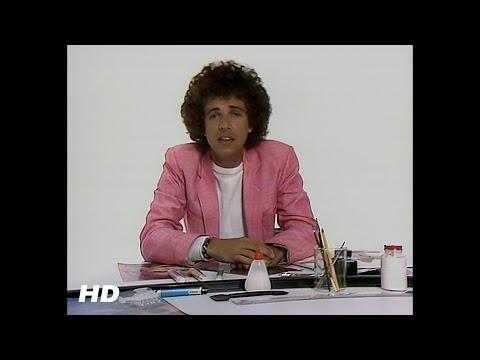


→ More from the 1970s File
View all 1970s hits →




Keep digging