The 1970s File Feature
Woman Don't Go Astray
King Floyd Pleads His Case on Woman Don t Go Astray Step into the deep Southern soul of late 1972, a moment when New Orleans and the broader Gulf Coast were …
01 The Story
King Floyd Pleads His Case on "Woman Don't Go Astray"
Step into the deep Southern soul of late 1972, a moment when New Orleans and the broader Gulf Coast were pumping out some of the funkiest, most heartfelt records in America. The era of polished Motown gloss was giving way to something grittier and more regional, and few voices embodied that earthy authenticity better than King Floyd. Two years removed from his career-defining smash, he returned to the Billboard Hot 100 with a plea wrapped in groove, determined to prove that his first triumph had been no fluke.
The Man Behind the Voice
King Floyd had already etched his name into soul history with "Groove Me," the irresistible 1970 hit that climbed into the upper reaches of the pop chart and topped the R&B listings. That record, cut in the fertile environment of the Malaco studio operation in Jackson, Mississippi, established him as a master of the slinky, percolating Southern groove. "Woman Don't Go Astray" arrived as a follow-up in that same lineage, a chance for Floyd to reassert his command of the deep soul ballad and remind audiences of the voice that had charmed them. The pressure on any artist following a breakout smash is enormous, and Floyd answered it not by chasing trends but by digging deeper into the rich, soulful sound that suited his voice best.
A Plea Set to a Simmering Groove
The song carries the unmistakable signature of Gulf Coast soul: a rhythm that rolls rather than races, horns that punctuate rather than overwhelm, and a vocal steeped in genuine emotion. Floyd sings as a man begging his partner not to stray, and the production glistens with the kind of warm, unhurried Southern feel that lets every word land. The arrangement gives him room to plead, cajole, and persuade, his voice carrying the ache of someone with everything to lose. There is nothing rushed or showy about the performance, just the patient, simmering intensity of a singer who understands that real feeling needs space to breathe and time to build.
A Patient Climb to the Mid Fifties
The single first appeared on the Hot 100 dated September 16, 1972, debuting at number 81. Like so many soul records of the era, it built slowly, working its way up through the autumn weeks as audiences and radio caught on. By early October it had reached the mid 60s, and it continued its gradual ascent. The record ultimately peaked at number 53 on November 11, 1972, and enjoyed a healthy run of 12 weeks on the chart. That extended presence speaks to the song's slow-burning appeal among devoted soul listeners, the kind of audience that valued feeling over flash and returned to a record again and again.
A Cornerstone of the Malaco Sound
In the larger picture, "Woman Don't Go Astray" helped cement King Floyd's place in the story of Southern soul and the rise of the Malaco label as a powerhouse of the genre. While he never quite recaptured the towering commercial heights of "Groove Me," songs like this one kept him a respected and beloved figure among fans of authentic, deep-pocketed soul. His influence echoed forward into the funk and R&B that followed, a reminder of how much vitality flowed out of the studios along the Mississippi River. The Southern soul tradition he helped build would nourish countless artists in the years to come, and his warm, conversational style remains a touchstone for anyone exploring the genre's golden era.
Drop the needle and let Floyd make his case. There is honesty in every plea, and a groove warm enough to pull you straight into the heart of early-1970s Southern soul.
"Woman Don't Go Astray" — King Floyd's singular moment on the 1970s charts.
02 Song Meaning
The Aching Plea of "Woman Don't Go Astray"
Soul music has always thrived on vulnerability, and few subjects expose a singer like the fear of losing love. "Woman Don't Go Astray" turns that fear into a heartfelt plea, with King Floyd laying his anxieties bare across a warm Southern groove.
A Plea Against Heartbreak
The central theme is unmistakable: a man begging his partner to stay faithful. The lyric paraphrases as an earnest appeal, a voice asking his lover not to wander, not to give in to temptation, not to walk away. It is the universal language of romantic insecurity, the worry that love might slip through your fingers despite your best efforts to hold on.
Vulnerability as Emotional Power
The emotional message draws its strength from open vulnerability. Floyd does not posture or pretend to be untouchable. Instead he reveals his fear, and that honesty is what gives the song its weight. In the tradition of deep soul, exposing one's heart is not weakness but courage, and the plea becomes all the more moving because the singer risks his pride to make it. The willingness to sound desperate, to let the fear show plainly in the voice, is exactly what separates a great soul performance from a merely competent one.
The World of Southern Soul
Culturally, the song belongs to the rich seam of early-1970s Southern and Gulf Coast soul, a sound rooted in church, in community, and in the lived realities of working people. This was music made for real life, for the joys and heartbreaks of ordinary relationships. Its directness reflected an era and a region that prized sincerity over slickness, feeling over flash. These were songs born from the same wellspring as gospel, carrying that tradition's emotional honesty into the secular world of love and longing.
Why It Struck a Chord
Listeners connected because the emotion was instantly recognizable. Everyone who has ever feared losing someone could hear their own anxiety in Floyd's plea. That relatable ache, paired with an irresistibly warm groove, made the song both comforting and cathartic, a record you could feel in your chest as much as your feet.
The Lasting Truth of the Song
What endures is the song's emotional honesty. Long after the chart run faded, the human truth at its center remains intact. "Woman Don't Go Astray" reminds you that love and fear are forever intertwined, and that the bravest thing a person can do is admit how much they stand to lose. In that raw sincerity lies the song's timeless soul, the quality that lets a fifty-year-old recording still speak directly to anyone who has ever feared losing the person they love most.
→ More from King Floyd
View all King Floyd hits →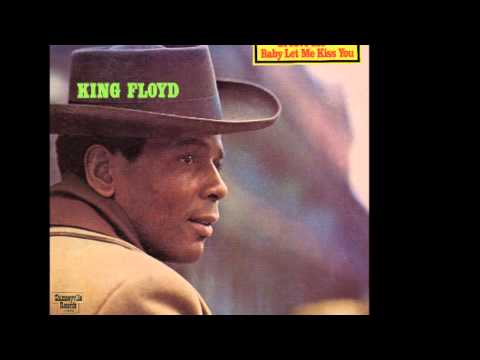

→ More from the 1970s File
View all 1970s hits →




Keep digging