The 1970s File Feature
Baby Let Me Kiss You
Baby Let Me Kiss You King Floyd s Follow-Up to a Soul Phenomenon The Aftermath of Groove Me The spring of 1971 found King Floyd in an enviable and precarious…
01 The Story
Baby Let Me Kiss You — King Floyd’s Follow-Up to a Soul Phenomenon
The Aftermath of “Groove Me”
The spring of 1971 found King Floyd in an enviable and precarious position simultaneously. His debut single, “Groove Me,” had been one of the surprise soul hits of 1970, climbing to number 6 on the Billboard Hot 100 and establishing Floyd as an artist with genuine crossover appeal. The pressure to follow up that success with something equally compelling fell squarely on Baby Let Me Kiss You, which arrived on the Hot 100 in March 1971 carrying all the expectations that a breakthrough hit creates. Floyd had gone from unknown to notable in a matter of months, and the music industry was watching closely to see whether the momentum would hold.
King Floyd and the Chimneyville Sound
King Floyd was a product of the New Orleans soul tradition who recorded for Chimneyville Records, a small independent label whose distribution through Atlantic gave Floyd’s singles national reach. The Chimneyville sound was warm, unhurried, and deeply rooted in the groove-first aesthetic that characterized the best Southern soul recordings of the era. Floyd’s voice was a natural fit for that aesthetic: smooth enough to be appealing, rough enough around the edges to be credible, and possessed of a sensuality that worked perfectly with the bedroom soul material he favored.
Eleven Weeks and a Peak at 29
Baby Let Me Kiss You debuted on the Billboard Hot 100 on March 13, 1971, entering at number 88. The single climbed steadily through March and April, reaching its peak of number 29 on May 1, 1971. The song spent eleven weeks on the chart in total, a strong run that demonstrated the follow-up had genuine commercial legs rather than simply riding the coattails of its predecessor. A top-30 finish was meaningful validation that the audience Floyd had assembled with “Groove Me” was real and loyal rather than simply curious.
Southern Soul in the Early 1970s
The early 1970s were a transitional period for Southern soul. The Stax sound had reached its commercial and critical peak, and the genre was beginning to incorporate the funkier rhythmic vocabulary that would eventually become its dominant mode through the mid-decade. Floyd’s recordings occupied the productive middle ground between classic Southern soul and the emerging bedroom soul tradition, and Baby Let Me Kiss You sits comfortably in that middle space: a record with genuine R&B credibility that understood the commercial realities of the mainstream pop market without fully compromising its regional identity.
A Career That Could Have Been More
King Floyd never had a third hit that matched the commercial scale of his first two, and his story became one of the more instructive cautionary tales about the difficulty of sustaining momentum in the soul music market of the early 1970s. The window for success in that crowded, competitive landscape was narrow, and maintaining a presence required both consistent artistic quality and the kind of institutional support that independent labels often struggled to provide. What Floyd achieved with these two singles was nonetheless impressive: a genuine moment of national commercial success built on recordings of genuine quality, records that hold up as documents of Southern soul at a specific and fertile moment. Press play and let the groove do its work.
The soul music landscape of early 1971 was crowded with exceptionally talented artists competing for radio time and chart position, and the fact that King Floyd managed a top-30 finish with his follow-up single was genuine evidence of commercial stamina. Many artists who had breakthrough hits in soul found that the machinery of the industry moved to the next thing before they could consolidate their success. Floyd managed to resist that momentum long enough to demonstrate he was more than a one-hit phenomenon, which is a specific kind of achievement that deserves recognition. The Chimneyville sound that backed both his major singles was warm, consistent, and genuinely appealing, rooted in the same New Orleans groove tradition that had been generating great recordings for more than a decade.
“Baby Let Me Kiss You” — King Floyd’s singular moment on the 1970s charts.
02 Song Meaning
The Pleasure of the Request: What King Floyd Was Asking For
Romantic Negotiation as Song Structure
The title Baby Let Me Kiss You is a request, not a statement, and that grammatical distinction carries real emotional weight. The narrator is not declaring desire; he is asking permission, acknowledging that what he wants requires the consent and participation of another person. This is a more interesting starting point than the simple declaration of feeling that characterizes many soul songs of the era, and it gives the song a quality of genuine negotiation that makes the emotional dynamic more complex. The request structure also allows the listener to imagine the response, to participate in the emotional scenario the song creates rather than simply observe it.
Southern Soul and the Language of Courtship
Southern soul in the early 1970s had developed a sophisticated vocabulary for romantic negotiation, one that drew from gospel’s tradition of supplication and blues’s tradition of direct emotional address simultaneously. The combination produced a mode of romantic expression that was simultaneously reverent and frank, treating the object of desire with genuine respect while being entirely honest about what the narrator wanted. King Floyd operated fluently in this mode, and Baby Let Me Kiss You is a particularly clear example of how the genre handled romantic desire: openly, with warmth, and without the apologetic hedging that characterized some of its pop contemporaries.
The Kiss as a Particular Kind of Intimacy
A song specifically about kissing rather than the full range of romantic and sexual experience is making a choice about intimacy that is worth examining. The kiss occupies a specific position in the hierarchy of physical contact, intimate enough to signal genuine feeling but accessible enough to be referenced in popular song without generating controversy. By focusing on the kiss rather than what might follow it, the song positions itself in a space of heightened anticipation, the charged moment before greater intimacy rather than the aftermath of it. That positioning is emotionally intelligent; anticipation is often more powerful than fulfillment, and a song about wanting a kiss is in some ways more electric than a song about having gotten one.
Floyd’s Vocal and Its Sensual Intelligence
Part of what made King Floyd effective at this material was his vocal approach: unhurried, warm, and possessed of a natural sensuality that communicated desire without aggression. He understood that the most effective way to make a romantic request is not to demand but to invite, not to press but to suggest, and his singing embodied that understanding at every moment. The groove of the recording reinforced the vocal approach, creating an environment of relaxed pleasure that made the request seem not just appealing but irresistible. The music itself was already seductive before Floyd sang a single word.
The Bedroom Soul Tradition and Its Legacy
King Floyd’s recordings contributed to the development of what would become known as bedroom soul, a strand of R&B that prioritized sensuality, intimacy, and the pleasure of human connection over the social commentary or gospel intensity that characterized other soul subgenres of the era. This tradition, which would find its fullest expression in the work of artists like Al Green and Barry White through the mid-1970s, had its roots in the kind of warm, groove-centered soul that Floyd was making in the early 1970s. Baby Let Me Kiss You is a modest but genuine contribution to that tradition, a record that understood its emotional purpose and fulfilled it with grace.
→ More from King Floyd
View all King Floyd hits →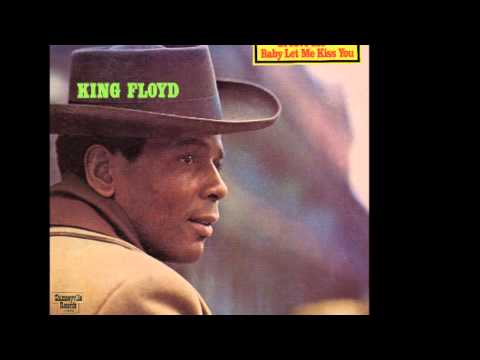
→ More from the 1970s File
View all 1970s hits →




Keep digging