The 1970s File Feature
Dancing Machine
The Story Behind The Jackson 5's Dancing Machine Watch a teenage Michael Jackson debut the robot on national television in 1974, arms locking into rigid geom…
01 The Story
The Story Behind The Jackson 5's "Dancing Machine"
Watch a teenage Michael Jackson debut the robot on national television in 1974, arms locking into rigid geometric angles while his brothers vamp behind him, and you are watching a group reinvent itself in real time, trading the sweet soul-pop of its Motown beginnings for the sound of a new decade taking shape underneath them.
A Group in Transition
By 1974, the Jackson 5 had spent five years as one of Motown's flagship acts, but the label's tight control over their material and sound had started to chafe, particularly as disco's rhythmic template began reshaping American radio. Dancing Machine, the title track of their tenth studio album, arrived as Motown's attempt to keep the group commercially relevant by leaning into the emerging four-on-the-floor sound rather than resisting it, a bet that would prove to be one of the label's smarter calls on the group in its final Motown years. Tensions between the brothers and the label over songwriting credit and creative control were already simmering by this point, tensions that would eventually push the group toward Epic Records and a name change later in the decade.
An Early, Confident Disco Blueprint
Produced by Hal Davis, the track built its groove around a propulsive bassline, syncopated strings, and a vocal arrangement that pushed Michael Jackson, then just 15, into a more assertive, rhythmically percussive delivery than the group's earlier ballads had asked of him. The song's structure, built for the dance floor rather than the singalong chorus, marked a clear step toward the sound Jackson would eventually make his own as a solo artist later in the decade, and it gave his brothers room to lock into tight, disciplined harmony work behind him. The arrangement's confidence in pure rhythm over melodic hooks was itself a small risk for a group whose biggest hits had leaned on instantly singable choruses.
A Near-Chart-Topping Comeback
The single's climb on the Billboard Hot 100 told the story of a group regaining momentum: it debuted at number 79 on March 16, 1974, and rose steadily week after week before reaching its peak of number 2 on May 18, 1974, spending a substantial 22 weeks on the chart in total. It became the group's first top-five hit in two years, proof that the pivot toward a harder-edged, dance-oriented sound had paid off commercially as well as creatively, and it briefly stalled at number 2 behind a stubborn competitor at the top of the chart, unable to close the final gap despite weeks of steady momentum.
The Robot's Legacy
Beyond its chart performance, Dancing Machine is remembered as the moment Michael Jackson introduced the robot dance move to a mass television audience, a piece of choreography that would ripple through pop culture for decades. The song itself helped set the stage for the group's final Motown releases and previewed the rhythm-forward instincts that would define Michael's solo catalog, including the disco-adjacent grooves he would later perfect on his own records. Cue it up and hear a family act consciously remaking itself for a new sound, one confident downbeat at a time.
"Dancing Machine" — The Jackson 5's singular moment on the 1970s charts.
02 Song Meaning
The Meaning Behind "Dancing Machine"
"Dancing Machine" uses the image of a woman on a dance floor, moving with mechanical precision and unstoppable rhythm, as a metaphor for total, consuming devotion to the music itself. The song is less about romance than about surrender to motion, rhythm overriding thought entirely and leaving little room for hesitation.
The Body as Machinery
The lyric's central conceit, a dancer whose body operates with the tireless, exact rhythm of a machine, reflects disco's broader fascination with the human body pushed to a kind of ecstatic automation. Rather than treating that mechanization as cold or dehumanizing, the song frames it as liberating: once the body locks into the groove built by producer Hal Davis, self-consciousness disappears and only motion remains, repetition becoming a form of freedom rather than confinement.
A Group Signaling Its Own Reinvention
Coming from a group best known for tender, harmony-driven soul-pop, the song's embrace of a harder, more rhythmically insistent sound doubled as a statement of intent. The Jackson 5 were, in effect, describing their own transformation: a group willing to submit to a new rhythmic discipline in order to stay vital as musical trends shifted beneath them, with a young Michael Jackson at the physical center of that transformation, his own body becoming the clearest illustration of the lyric's argument.
Disco's Early Promise of Escape
In 1974, disco was still an emerging rather than dominant force in American pop, closely tied to underground club culture before its mid-decade explosion into the mainstream. The song's vision of the dance floor as a space where identity dissolves into pure rhythmic feeling anticipated exactly what would make disco so powerful as a cultural force within just a few years: total, uncomplicated release from the pressures of daily life.
Why It Still Moves People
The song endures because its central image, a dancer transformed by rhythm into something unstoppable, remains universally relatable to anyone who has lost themselves on a dance floor. Combined with the cultural weight of Michael Jackson's robot debut and the song's number 2 peak on the Hot 100, Dancing Machine became more than a hit single; it became a piece of visual and rhythmic language that outlived its own chart run by decades, still recognizable in a single gesture.
→ More from Jackson 5
View all Jackson 5 hits →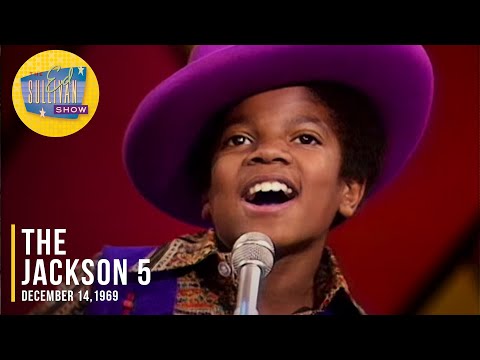



→ More from the 1970s File
View all 1970s hits →




Keep digging