The 1970s File Feature
Maybe Tomorrow
"Maybe Tomorrow" — Jackson 5 and the Sound of Motown at Its Most Tender The World's Most Famous Family Band By the summer of 1971, the Jackson 5 had spent mo…
01 The Story
"Maybe Tomorrow" — Jackson 5 and the Sound of Motown at Its Most Tender
The World's Most Famous Family Band
By the summer of 1971, the Jackson 5 had spent more than two years rewriting the commercial history of Motown Records. Their debut single I Want You Back had gone to number one in late 1969, and the run of hits that followed, ABC, The Love You Save, I'll Be There, had established the group as the label's biggest active act and one of the most commercially dominant forces in popular music. They were a genuine phenomenon, driven by the extraordinary vocal gifts of a thirteen-year-old Michael Jackson but built on the harmonic strength of all five brothers.
Into this winning streak came Maybe Tomorrow, released in the summer of 1971. Where many of the group's earlier hits had been uptempo and exuberant, this single moved into softer, more reflective territory. The song appeared on the Maybe Tomorrow album, which the group released that same year, and it represented a deliberate effort to show a broader emotional range than the driving pop of their breakthrough period.
The Sound of Vulnerability
The production on Maybe Tomorrow is a study in Motown restraint. The arrangement is warmer and less driven than the group's uptempo hits, with a gentler rhythm section foundation and a string arrangement that prioritizes emotional atmosphere over rhythmic energy. The Motown production team working with the group understood that Michael's voice carried particular power in quieter contexts, where its purity and emotional directness could be heard without competing with a dense arrangement.
The lead vocal performance is remarkable in the specific way that Michael Jackson's early Motown recordings are often remarkable: there is a maturity to the emotional delivery that seems almost impossible for a thirteen-year-old. The phrasing, the breath control, the moment-to-moment interpretive choices all suggest an intuitive musicianship that transcends technical training.
Nine Weeks Climbing the Hot 100
The single debuted on the Billboard Hot 100 on July 10, 1971, entering at position 75. Its climb was consistent and purposeful: 75, 46, 42, 30, 24 through the first five weeks, demonstrating the sustained radio support that Motown's promotional machine was able to generate for its releases. The peak position of number 20 arrived on August 21, 1971, the highest point in a nine-week chart run.
A peak of 20 for a Jackson 5 single in 1971 looked modest compared to the number one positions they had achieved the previous year, but the context of the song matters. This was softer, more introspective material that was not chasing the same pop radio real estate as I Want You Back. The fact that it reached the top twenty at all confirmed both the group's commercial pull and the genuine emotional appeal of the recording.
Motown's Strategic Maturation of a Young Act
The Jackson 5's trajectory through 1970 and 1971 reflected a deliberate strategy by Motown to expand the group's artistic range while their commercial momentum was at its peak. Moving from the pure pop excitement of their debut singles into more emotionally nuanced material was a gamble that required confidence in the underlying talent. The fact that Maybe Tomorrow succeeded as it did suggested the gamble was well-placed.
There is also the matter of the group's own development. By mid-1971, they had been touring and recording professionally for several years, and the wear and sophistication of that experience was beginning to show in their work. Maybe Tomorrow sounds like a band that had absorbed something more complex than teenage enthusiasm, a hint of longing and reflection that would deepen as Michael Jackson grew into one of the most emotionally expressive vocalists popular music has ever produced.
A Song Worth Seeking
The Jackson 5's catalog is so dominated by their number one hits that Maybe Tomorrow can get lost in the shadow of the bigger records. Seek it out anyway. There is something in the quiet confidence of this recording that tells you more about where this group was going than the exuberant chart-toppers that preceded it. Press play and you will hear the beginning of something that would only grow.
"Maybe Tomorrow" — Jackson 5's singular moment on the 1970s charts.
02 Song Meaning
"Maybe Tomorrow" — Hope, Heartache, and the Weight of a Moment
The Grammar of Deferral
The title of Maybe Tomorrow contains a whole emotional philosophy in two words. The word "maybe" is one of the most loaded in the English language when it comes to matters of the heart: it holds possibility open without committing to it, sustains hope while acknowledging uncertainty. Paired with "tomorrow," it points toward a future that is always just out of reach. This is the grammar of deferred hope, and it gives the song its particular emotional texture.
For a thirteen-year-old singer performing these themes, there is something simultaneously innocent and precocious about the delivery. Michael Jackson was drawing on an emotional vocabulary that his actual life experience could not yet have fully supplied, but the authenticity of the performance suggests that great vocal talent can access emotional truth through other means than biographical experience.
Love as Longing in Motown's Tradition
The Motown songwriting tradition had always been deeply invested in the emotional territory between love and its complications. The label's most enduring work rarely celebrated simple romantic happiness; it explored the more complex terrain of longing, loss, hope, and uncertainty. Songs about waiting, wondering, and hoping ran through the Motown catalog from its earliest days, and Maybe Tomorrow belongs squarely within that tradition.
The specific emotional register of the song, its combination of tenderness and sorrow, fit the particular strengths of the Jackson 5 at this point in their development. The group's uptempo work conveyed joy and energy with exceptional skill, but their ballad work revealed something deeper: a capacity for genuine emotional sincerity that went beyond performance.
Youth and Emotional Complexity
One of the more interesting aspects of the Jackson 5's early catalog is the sophistication of the emotional themes they were assigned to perform. Songs about romantic disappointment, longing, and uncertain hope were standard material for Motown acts of the era, but placing them in the voices of very young performers created a peculiar resonance. Teenage and pre-teen listeners could hear their own emotional experiences reflected in songs performed by artists roughly their own age.
This was part of Motown's genius as a commercial operation: it understood that young people could consume complex emotional content through the mediation of young performers. The Jackson 5 were not simply singing about adult emotions; they were serving as emotional proxies for a generation of young listeners working through similar feelings at smaller scale.
The Cultural Function of Hope
In 1971, the United States was navigating the ongoing trauma of Vietnam, the lingering shock of assassinations, and the social upheaval of the civil rights movement's aftermath. Into this context, a song about holding onto hope despite uncertainty carried weight that exceeded its specific romantic subject matter. Music that sustained hope in any domain resonated with audiences who needed hope in every domain.
This is not to overload a pop song with philosophical significance it does not claim. But music functions in context, and the context of 1971 America gave even a tender ballad about a young man's uncertainty in love a larger emotional dimension. The audience that heard Maybe Tomorrow brought their own uncertainties to it.
A Lasting Emotional Archive
The most valuable function of recordings like Maybe Tomorrow is their capacity to serve as emotional archives, preserving a specific quality of feeling at a specific moment in time. The song captures something about adolescent longing and cautious hope that does not age, because those emotional states are permanent features of human experience. Decades after its release, the recording continues to communicate that experience with directness and warmth.
→ More from Jackson 5
View all Jackson 5 hits →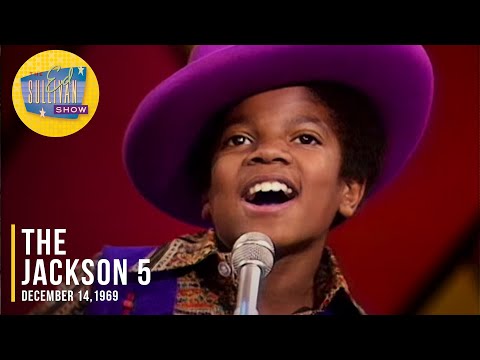



→ More from the 1970s File
View all 1970s hits →




Keep digging