The 1970s File Feature
I Stand Accused
I Stand Accused by Isaac Hayes: A Soul Visionary Reimagines the Ballad Picture the soul landscape of 1970, a moment when the genre was expanding its ambition…
01 The Story
"I Stand Accused" by Isaac Hayes: A Soul Visionary Reimagines the Ballad
Picture the soul landscape of 1970, a moment when the genre was expanding its ambitions, stretching songs into epic, cinematic statements. No one embodied that expansion more boldly than Isaac Hayes, the Stax songwriter and producer who had reinvented himself as a solo artist of staggering originality. "I Stand Accused" found him applying his luxurious, slow-burning approach to a soul ballad, transforming a song into an immersive emotional experience that stretched far beyond the conventional pop format.
The Architect of Symphonic Soul
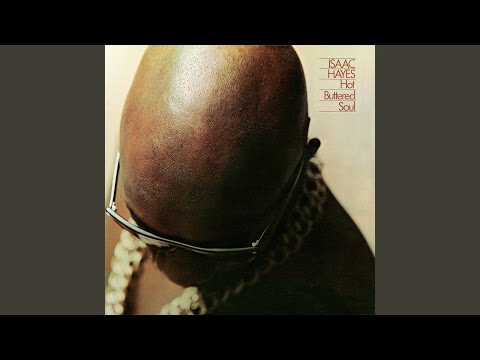
By 1970, Isaac Hayes had completed one of the most remarkable transformations in popular music. He had been a key songwriter and producer at Stax Records, co-writing classics with David Porter for artists across the label. Then, with his landmark album Hot Buttered Soul, he reinvented himself as a solo artist of extraordinary vision, stretching songs to epic lengths and draping them in lush orchestration. His deep, smoky voice and his pioneering, symphonic approach to soul made him one of the most innovative figures of the era. He was redefining what a soul record could be, and the industry was paying close attention.
An Immersive Reimagining
"I Stand Accused" exemplifies Hayes's distinctive style. He takes the song and transforms it into a slow-building, deeply emotional journey, his rich baritone unspooling the lyric over a lush, atmospheric arrangement. The track unfolds with patience and grandeur, allowing the emotion to develop gradually rather than rushing toward a hook. This was Hayes's signature, the willingness to give a song room to breathe, to turn a romantic ballad into something sweeping and cinematic. The production glistens with strings and warmth, creating an immersive soundscape around his commanding vocal presence.
A Solid Chart Showing
The single performed respectably on the pop chart. "I Stand Accused" debuted on the Billboard Hot 100 at number 80 on August 29, 1970, and climbed steadily over the following weeks. It reached its peak of number 42 on October 3, 1970, and remained on the chart for 9 weeks. While Hayes's most ambitious work was often better suited to album listening than singles charts, this showing confirmed his broad appeal and the strength of his distinctive approach. The song demonstrated that his luxurious, expansive style could connect with a wide audience even in an abbreviated single form.
A Chapter in a Visionary Career
In the larger story of Isaac Hayes, "I Stand Accused" is one of the recordings that demonstrate his transformative impact on soul music. His symphonic, cinematic approach would soon reach its apex with his work on the Shaft soundtrack, which brought him enormous acclaim. This single captures him in the midst of his most creative period, reimagining the soul ballad on his own grand terms. For lovers of ambitious, luxurious soul, it is a beautiful example of an artist who fundamentally expanded the possibilities of the genre.
Reinventing What a Soul Record Could Be
The most striking thing about Isaac Hayes in this period was his sheer audacity in rethinking the very form of the soul record. While most artists chased the tight, radio-friendly single, Hayes did the opposite, stretching songs to extraordinary lengths, beginning them with lengthy spoken introductions, draping them in cinematic orchestration. He treated the studio as a canvas for grand artistic statements rather than quick commercial products. That ambition set him apart and influenced the direction of soul music profoundly, opening the door to the lush, expansive productions that would define the genre in the years that followed. "I Stand Accused" reflects that fearless approach, a song unafraid to take its time and build a complete emotional world. Hayes understood that a soul record could be more than a pop song; it could be an immersive experience, and few artists pursued that vision with such conviction and success.
Press play and let the lush, slow-burning grandeur of Isaac Hayes's "I Stand Accused" envelop you in symphonic soul.
"I Stand Accused" — Isaac Hayes's singular moment on the 1970s charts.
02 Song Meaning
The Meaning of "I Stand Accused": A Confession of Forbidden Love
The legal language of the title frames a deeply emotional confession. To stand accused is to face judgment, and in this song the narrator admits to a love he knows he should not feel, the desire for someone who belongs to another. "I Stand Accused" explores the guilt and helplessness of forbidden longing, with Isaac Hayes turning that confession into an epic emotional reckoning.
The Central Theme of Guilty Desire
At its heart, the song is about loving someone you have no right to love. The narrator confesses to harboring feelings for a person who is already committed to another, casting himself as guilty of a kind of emotional crime. There is helplessness in the admission, the sense of being unable to control a forbidden desire. The song dwells in the discomfort of that situation, the tension between conscience and longing. It is a portrait of love as something that can put a person at odds with their own sense of right and wrong.
Emotional Depth Through Grandeur
Hayes's expansive approach gives the confession enormous emotional weight. By stretching the song into a slow, immersive experience, he allows the feeling to deepen and intensify. The lush arrangement and his commanding baritone lend the guilty longing a sense of grandeur and seriousness, treating a personal confession as something almost operatic. That cinematic scale transforms the song from a simple ballad into a profound meditation on the helplessness of the heart, making the listener feel the full weight of the narrator's predicament.
A Reflection of Soul's Emotional Honesty
The song belongs to soul music's tradition of unflinching emotional honesty. The genre has never shied away from the complicated, even uncomfortable realities of love, including desire that crosses moral lines. By confessing to forbidden longing, the song embraces that honesty, refusing to pretend that the heart always behaves. Hayes elevated this candor with his symphonic approach, treating a guilty confession with the same seriousness and beauty as any grand romance, reflecting soul's willingness to explore love in all its messy complexity.
Why It Still Moves Listeners
The song resonates because its emotional dilemma is so deeply human. Many people have known the painful experience of wanting someone they cannot have, of feeling a desire that conscience condemns. Hayes gave that difficult feeling a voice of extraordinary depth and beauty, transforming guilt and longing into something profound and moving. The result is a song that treats forbidden love with seriousness and compassion, which is exactly why it continues to resonate with anyone who has ever stood accused, in their own heart, of loving the wrong person at the wrong time.
→ More from Isaac Hayes
View all Isaac Hayes hits →

→ More from the 1970s File
View all 1970s hits →




Keep digging