The 1970s File Feature
Baby-Get It On
Baby-Get It On by Ike B radio during this period. A Modest but Steady Chart Climb The single's Billboard trajectory reflected a slow, steady climb rather tha…
01 The Story
Baby-Get It On by Ike & Tina Turner
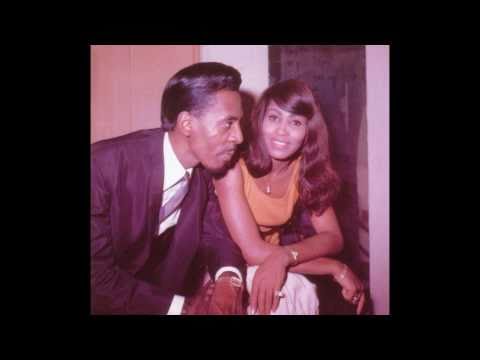
Picture one of the most electrifying live acts in American music history, still touring relentlessly and recording prolifically well into the mid-1970s, releasing a funk-driven single that would find modest but real chart success. That was the backdrop for "Baby-Get It On," which reached number 88 on the Billboard Hot 100 during the summer of 1975.
A Duo at a Later Career Stage
By 1975, Ike and Tina Turner had already been recording together for well over a decade, building a reputation as one of the most dynamic live performing acts in American popular music. Their sound had evolved considerably from their earlier rhythm and blues roots, incorporating funk and rock influences that reflected both changing musical trends and the duo's own restless creative instincts throughout the decade.
A Funk-Infused Studio Effort
"Baby-Get It On" showcased the grittier, funk-oriented direction the duo had increasingly embraced, driven by tight rhythmic grooves and Tina Turner's characteristically powerful, raspy vocal delivery. That vocal intensity remained the group's defining commercial asset even as the surrounding musical textures shifted toward the harder funk sounds gaining popularity across R&B radio during this period.
A Modest but Steady Chart Climb
The single's Billboard trajectory reflected a slow, steady climb rather than an explosive breakout. Debuting at number 98 in early June 1975, the song crept upward across four consecutive weeks, reaching 94, then 92, before settling at its peak position of 88 by late June. This gradual progression suggested a song finding a receptive niche audience rather than achieving the kind of instant mainstream crossover the duo had experienced with some of their earlier recordings.
Navigating a Changing Musical Landscape
Radio programmers increasingly split their attention between emerging disco productions and the grittier funk and soul records that had dominated the previous several years, forcing established acts like Ike and Tina Turner to compete for airtime against an entirely new generation of dance-oriented artists eager to claim that same audience.
The mid-1970s presented genuine commercial challenges for R&B and soul acts who had built their reputations in earlier eras, as disco's imminent rise and shifting radio formats increasingly reshaped the competitive landscape. That "Baby-Get It On" still managed to reach the Hot 100 at all reflected the duo's continued relevance and the loyalty of an audience that had followed their evolution since the previous decade.
Part of a Broader Late-Career Body of Work
Session musicians who worked alongside the duo during this stretch later described the recording atmosphere as intense and demanding, with Ike Turner pushing for tighter arrangements that could better compete against the increasingly polished production values coming out of rival studios during this transitional period.
The song arrived amid a period of prolific recording activity for the duo, part of a broader catalog of mid-1970s material that, while not always matching their earlier commercial peaks, demonstrated their continued creative energy and willingness to adapt their sound. Their reputation as a ferocious live act remained largely undiminished even as chart positions for individual singles became more modest during this stretch of their career.
A Footnote With Real Historical Value
Their continued willingness to record and tour through this uncertain commercial stretch reflected a genuine artistic resilience that would ultimately outlast the partnership itself, informing both performers' subsequent solo careers in the years that followed.
Though "Baby-Get It On" never became one of the duo's signature hits, its presence on the Hot 100 offers a meaningful snapshot of where Ike and Tina Turner stood musically and commercially by the middle of the decade. Give it a listen, and you can hear a partnership still pushing forward creatively, even as the broader musical landscape around them continued shifting toward new dominant sounds and styles.
"Baby-Get It On" — Ike & Tina Turner's singular moment on the 1970s charts.
02 Song Meaning
The Meaning Behind "Baby-Get It On" by Ike & Tina Turner
At its most basic level, "Baby-Get It On" is a song of direct, unapologetic romantic and physical invitation, built around the kind of raw, confident energy that had long defined Ike and Tina Turner's most electrifying recorded and live performances throughout their career together.
Directness as a Defining Trait
Unlike more coy or metaphorical approaches to romantic and sexual themes common in some contemporary pop songwriting, this recording favors blunt, straightforward invitation. That unfiltered directness had become something of a signature approach for the duo, whose live performances were famously charged with an intensity that translated directly into their more explicit studio recordings during this period of their career.
Tina Turner's Vocal as Pure Assertive Energy
Central to the song's meaning is Tina Turner's vocal performance itself, delivered with a raspy, commanding assertiveness that transforms the lyrics from simple statement into genuine declaration. Her voice carries an inherent authority that makes the song's invitation feel less like passive suggestion and more like confident demand, consistent with her broader reputation as one of the most powerful and dynamic vocalists of her generation.
Funk Rhythm as Physical Expression
The song's tight, propulsive funk groove does considerable work in reinforcing its lyrical themes, using rhythm itself as a vehicle for the physical energy being described. That rhythmic insistence mirrors the song's central request, creating a recording where the musical arrangement and lyrical content reinforce one another rather than existing as separate elements layered together.
Confidence as Emotional Currency
Beyond its surface-level romantic invitation, the song also projects a broader sense of self-assured confidence, an attitude that had long characterized the duo's public persona and stage presence. That confidence gave the recording a sense of assertive ownership rather than pleading vulnerability, positioning the narrator as someone secure enough in their desires to state them plainly.
Part of a Broader Mid-1970s Funk Sensibility
The song's directness also reflected broader trends within mid-1970s funk and R&B songwriting more generally, as artists across the genre increasingly embraced explicit romantic and physical themes as part of the era's evolving cultural openness. That genre-wide shift gave the duo's recording context within a larger musical movement rather than existing as an isolated stylistic choice.
A Consistent Thread in Their Larger Catalog
That consistency gives listeners revisiting their catalog today a genuine sense of artistic continuity across very different eras of their shared career.
Ultimately, the themes explored in "Baby-Get It On" connect naturally to the broader emotional and thematic territory Ike and Tina Turner had explored throughout their partnership, one built on raw honesty, physical intensity, and an unwillingness to soften their artistic expression for the sake of easy commercial palatability.
→ More from Ike & Tina Turner
View all Ike & Tina Turner hits →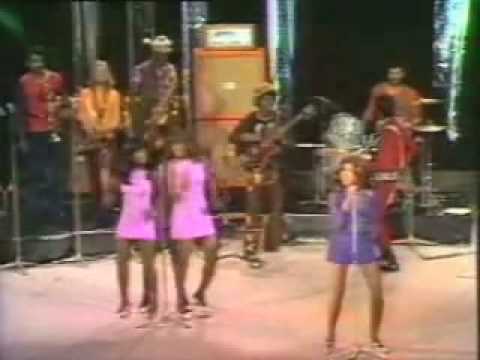
→ More from the 1970s File
View all 1970s hits →




Keep digging