The 1970s File Feature
Wake Up Everybody (Part 1)
Wake Up Everybody (Part 1) by Harold Melvin and the Blue Notes: History and Chart Context "Wake Up Everybody (Part 1)" stands as one of the most socially cha…
01 The Story
Wake Up Everybody (Part 1) by Harold Melvin and the Blue Notes: History and Chart Context
"Wake Up Everybody (Part 1)" stands as one of the most socially charged recordings to emerge from Philadelphia International Records during its dominant run as the home of sophisticated soul music in the early-to-mid 1970s. Harold Melvin and the Blue Notes released the song in late 1975 as the lead single from their album of the same name, and it represented the group, along with lead vocalist Teddy Pendergrass, operating at the height of their creative powers and their commercial reach.
The song was written and produced by the team of Gene McFadden, John Whitehead, and Victor Carstarphen, three of the most talented songwriter-producers in the Philadelphia International stable. McFadden and Whitehead would later achieve their own artist breakthrough with "Ain't No Stoppin' Us Now" in 1979, but throughout the mid-1970s they were essential contributors to the Philadelphia International sound, writing and producing for Harold Melvin and others on the label. Their work on "Wake Up Everybody" deployed the full orchestral soul architecture that Kenny Gamble and Leon Huff had developed as the house sound of Philadelphia International Records, the label they had co-founded and that was distributed through CBS.
Teddy Pendergrass's vocal performance on "Wake Up Everybody" is among the most celebrated of his career. Pendergrass had emerged as the dominant voice of the Blue Notes since the early 1970s, his powerful, rough-edged baritone providing the emotional heat that made the group's recordings so distinctive. His delivery on this track combines the testifying fervor of his gospel roots with the disciplined precision required for a song carrying a specific social message. The result is a performance of genuine conviction that elevates the material well beyond standard soul album fare.
"Wake Up Everybody" reached number one on the Billboard R&B chart and climbed to number twelve on the Billboard Hot 100, making it one of the group's strongest crossover performances. The chart run demonstrated the particular power of the Philadelphia International sound to reach across demographic lines, speaking to both Black audiences for whom the song's social urgency had immediate personal resonance and white audiences who had been drawn into the sophisticated orchestral soul of the label's recordings through earlier hits.
The song's release came at a specific and turbulent moment in American social history. The country was emerging from the Watergate scandal, processing the end of the Vietnam War, and grappling with economic difficulties that were reshaping urban communities across the country. The social critique embedded in the song's lyrics, calling on teachers, doctors, preachers, and leaders of all kinds to do better by the communities they served, landed with particular force in this context. Philadelphia International had a long tradition of socially conscious music, with Gamble and Huff producing politically engaged work throughout the 1970s, and "Wake Up Everybody" is among the most explicit expressions of this tradition.
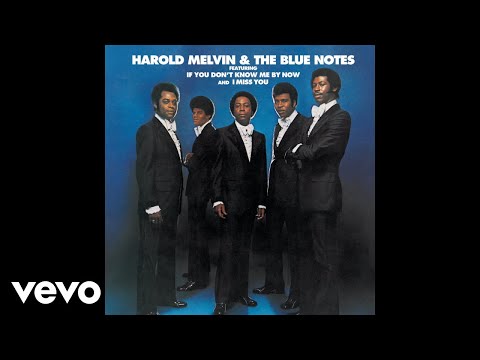
The album Wake Up Everybody was a commercial success, extending the run of strong releases that the group had maintained throughout the first half of the decade. Earlier records including I Miss You and Black and Blue had established them as one of the premier acts in soul music, with a string of hits that included "If You Don't Know Me by Now" and "The Love I Lost." "Wake Up Everybody" consolidated this position and marked what would prove to be one of the last major commercial moments for the classic Pendergrass-era Blue Notes lineup before Pendergrass departed for a solo career in 1976.
The recording has proven remarkably durable, appearing in documentaries, films, and political contexts across subsequent decades. Its combination of musical excellence and moral seriousness gave it a resonance that purely pleasure-oriented recordings of the same era could not match. Harold Melvin and the Blue Notes made many fine records, but "Wake Up Everybody" is the one most frequently cited when critics and historians discuss the social dimensions of Philadelphia soul and its engagement with the communities it came from and spoke to.
02 Song Meaning
The Meaning of "Wake Up Everybody (Part 1)" by Harold Melvin and the Blue Notes
"Wake Up Everybody (Part 1)" is a song of moral exhortation, directed not at a romantic partner but at society as a whole, and more specifically at those within society who hold positions of responsibility and influence. The song's central argument is that the world is in distress and that the people best positioned to address that distress, teachers, preachers, doctors, political leaders, have been falling short of their obligations. The call to wake up is therefore both literal and figurative: stop sleeping on your responsibilities, recognize what is happening around you, and act.
This was an unusual rhetorical posture for a pop single in 1975, even within the socially conscious tradition of Philadelphia International Records. Most soul music, even at its most politically aware, tended to address its audience as community members sharing a common condition. "Wake Up Everybody" addresses its audience as agents, people who have the power to change conditions rather than simply endure them. This shift from solidarity to accountability gives the song a distinctive moral urgency that sets it apart from more passive expressions of social awareness.
Teddy Pendergrass's vocal delivery is inseparable from the song's meaning. His voice carries genuine urgency and authority, the quality of someone who believes what he is saying and expects to be taken seriously. Pendergrass had a vocal personality that could convey both tenderness and stern purpose, and on this recording he draws on the sterner register. The performance has the quality of a sermon not because Pendergrass is being theatrical but because he is deploying the rhetorical tools of the Black church tradition, tools he had absorbed growing up in Philadelphia, in service of a genuinely held set of convictions.
The song also reflects the broader mission of Kenny Gamble and Leon Huff, who had established Philadelphia International as a label with a social conscience as well as a commercial one. Gamble in particular was deeply committed to the idea that popular music could and should address the real conditions of Black American life, and the productions he oversaw consistently reflected this commitment. "Wake Up Everybody" fits within a body of Philadelphia International recordings that includes "For the Love of Money" by the O'Jays and "Bad Luck" by Harold Melvin himself, all of which used the conventions of soul music to comment on social and economic realities.
The song's address to multiple specific categories of professional, teacher, preacher, doctor, and by implication politician, is rhetorically significant. It does not allow the listener to dismiss the message as applying to someone else. By moving through category after category, the song creates a comprehensive indictment of institutional failure that implicates a wide range of listeners regardless of their specific role. At the same time, the framing as a call rather than an accusation preserves the possibility of response. The people being addressed can still wake up; it is not too late.
Within the historical moment of its release in 1975, the song's themes resonated with particular force. American institutions had suffered significant credibility losses through the Watergate crisis, the Vietnam War, and a succession of urban crises that had devastated communities across the country. The soul music tradition had been processing these realities throughout the early 1970s, and "Wake Up Everybody" represents one of the most direct and comprehensive engagements with this social landscape in the genre's output from the period. Its continued citation and use in subsequent decades as a touchstone of socially conscious soul reflects the lasting relevance of both its musical achievement and its moral argument.
→ More from Harold Melvin And The Blue Notes
View all Harold Melvin And The Blue Notes hits →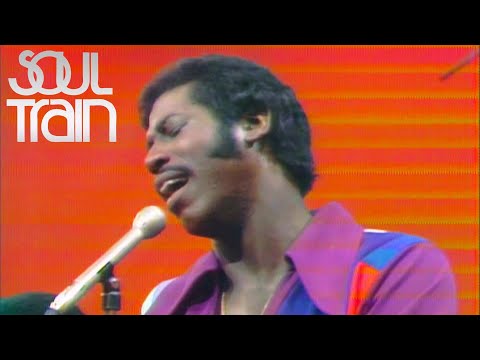


→ More from the 1970s File
View all 1970s hits →




Keep digging