The 1970s File Feature
Reach Out, I'll Be There
Reach Out, I'll Be There by Gloria Gaynor Before disco became a cultural juggernaut and a punchline and a revival all in turn, a handful of artists were quie…
01 The Story
"Reach Out, I'll Be There" by Gloria Gaynor
Before disco became a cultural juggernaut and a punchline and a revival all in turn, a handful of artists were quietly inventing it on the dance floors of the early 1970s. Gloria Gaynor was right there at the birth, a powerhouse vocalist with a gift for turning soul standards into pulsing, four-on-the-floor anthems. Years before she would record the song that made her immortal, she was already showing the world what a disco diva could be, and one of her early statements was a bold reinvention of a Motown classic.
A Voice Built for the Dance Floor
Gaynor possessed a voice of remarkable strength and clarity, equally suited to vulnerability and triumph. In the early 1970s, she became one of the pioneers of the emerging disco sound, helping define a style that would soon dominate the decade. Her approach took the emotional power of soul and married it to a relentless, danceable beat, creating music meant to fill clubs and keep bodies moving. "Reach Out, I'll Be There" fit that mission perfectly.
Reimagining a Motown Classic
The song was originally a major hit for the Four Tops, a beloved Motown anthem of devotion and support. Gaynor's version reframed it for the dance floor, accelerating its pulse and reshaping its arrangement around the disco aesthetic that was just taking hold. Transforming a soul standard into a disco track was a savvy and forward-looking move, the kind of reinvention that helped bridge the gap between Motown's golden era and the dance music revolution to come. Her voice brought fresh urgency to a familiar message.
The Chart Run
On the Billboard Hot 100, Gaynor's take had a brief run. It debuted at number 86 on March 22, 1975, then climbed to number 75 and on to number 64 in the weeks that followed. The song reached its peak of number 60 on April 12, 1975 before slipping back, and it spent five weeks on the chart in total. While it was not her biggest pop hit, it was an important early entry that helped establish her on the national stage just before her career reached its commercial summit.
Disco's Early Days
To grasp the significance of this recording, it helps to remember how new the disco sound still was in 1975. The genre had not yet become the cultural phenomenon that would later sweep the world and then inspire a backlash. It was emerging from the underground clubs of New York, taking shape on dance floors before it took over the radio. Artists like Gaynor were essentially writing the rulebook in real time, figuring out how to fuse the emotional richness of soul with the relentless, four-on-the-floor pulse that defined the new style. Her reinvention of a Motown classic was part of that experimentation, a bridge between the soul tradition she came from and the dance revolution she was helping to build, and it captures a genre at the very moment of its becoming.
A Stepping Stone to Immortality
Gloria Gaynor would soon record the song that defined her legacy and became one of the most enduring anthems of the entire disco era. "Reach Out, I'll Be There" belongs to the chapter just before that triumph, a window into an artist finding her sound and her audience. Her place in disco history was secured by what came next, but tracks like this show the foundation she was building. For fans of early disco, it remains a rewarding listen and an instructive look at the path she traveled to stardom.
Drop the needle and hear a future legend in full stride, taking a classic and making it move. The energy she brought to the dance floor still radiates from every bar.
"Reach Out, I'll Be There" — Gloria Gaynor's singular moment on the 1970s charts.
02 Song Meaning
The Meaning Behind "Reach Out, I'll Be There"
At its core, "Reach Out, I'll Be There" is a song about steadfast support, a promise made from one person to another in a moment of need. The message is simple and powerful: when you are struggling, when the world feels overwhelming, there is someone who will be there for you. In Gloria Gaynor's hands, that promise gains the lift of the dance floor.
A Promise of Unconditional Presence
The lyrics paint a picture of reassurance offered to someone who is hurting or lost. The central pledge is one of availability and devotion, an assurance that the singer will not abandon the other person no matter how dark things become. That theme of unwavering loyalty is timeless, and it explains why the song resonated across both its soul origins and its disco reinvention.
Strength Offered to the Weary
There is a generosity at the heart of the song. It positions the singer as a source of strength for someone who has run out of their own, extending a hand precisely when it is most needed. This dynamic of one person lifting another taps into a deeply human longing to be cared for, to know that we are not facing our troubles alone.
Comfort Through the Beat
What Gaynor's disco arrangement adds is a sense of catharsis through movement. The dance floor becomes a place where pain can be transformed into release, where a message of support is delivered not as a quiet ballad but as a euphoric anthem. That fusion of emotional reassurance and physical joy is exactly what made early disco so powerful, turning comfort into celebration and grief into something a whole room could move through together.
From Motown to the Dance Floor
It is worth noting how the song's meaning shifts in this new setting. As a Motown record, the original carried the intimate warmth of a personal promise. Reframed for the disco era, that same message of support takes on a communal dimension, sung not just to one person but to a crowd of dancers all seeking the same reassurance. The dance floor becomes a kind of refuge, a place where the promise of being there for someone extends outward to everyone present. That broadening of scope is what disco did best, turning private feelings into shared experiences.
Why It Resonated
The song endures because everyone needs to hear, at some point, that someone has their back. Its promise speaks to a universal vulnerability and a universal hope. The combination of a deeply reassuring message with an irresistible groove made it both meaningful and danceable, the kind of song that comforts and uplifts at once. That dual power is the secret of its lasting appeal.
→ More from Gloria Gaynor
View all Gloria Gaynor hits →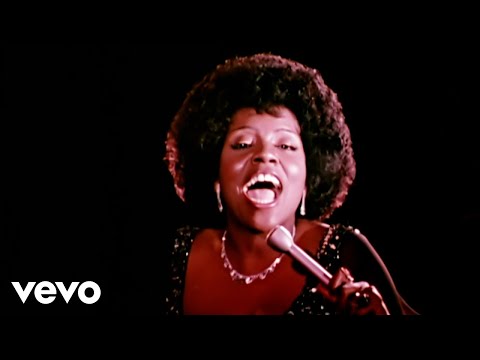

→ More from the 1970s File
View all 1970s hits →




Keep digging