The 1970s File Feature
Never Can Say Goodbye
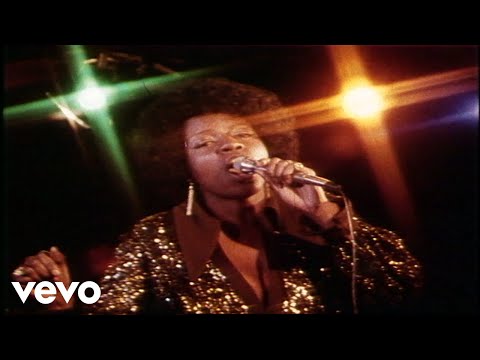
"Never Can Say Goodbye" — Gloria Gaynor and the Birth of Disco A Song With a Life Before Gloria By the time Gloria Gaynor recorded it in 1974, "Never Can Say…
01 The Story
"Never Can Say Goodbye" — Gloria Gaynor and the Birth of Disco
A Song With a Life Before Gloria
By the time Gloria Gaynor recorded it in 1974, "Never Can Say Goodbye" already had a significant history. Isaac Hayes had released a version in 1971, and the Jackson 5 had taken a pop-oriented reading of the song to number 2 on the Billboard Hot 100 in that same year. The track, written by Clifton Davis, described the particular emotional paralysis of wanting to leave a relationship but finding oneself incapable of the actual departure. Gaynor's recording took that established song and did something fundamentally different with it, not just covering the material but recasting its sonic identity in a way that would prove historically significant for the trajectory of popular music through the rest of the decade.
The Arrangement That Changed Everything
Gaynor recorded "Never Can Say Goodbye" for MGM Records, and the production built a framework around her voice that leaned heavily into the emerging sound that was beginning to coalesce in New York's underground club scene. The strings were lush but the rhythm was insistent, the beat continuous in a way that invited the body to keep moving rather than pausing between sections. The production's emphasis on sustained rhythmic momentum reflected a new understanding of how records were being used: not just for listening but for dancing, not just for radio but for the emerging club culture that was developing its own ecosystem of DJs, extended mixes, and physical spaces dedicated exclusively to music and movement. Gaynor's vocal sat over that rhythmic base with authority, her voice warm but pushing, committed to the emotional complexity of the lyric without losing the drive that kept the groove alive.
Charting Through Winter
The song debuted on the Billboard Hot 100 on November 2, 1974, at position 89, and worked its way upward through the final months of that year and into early 1975. The climb was steady, reflecting how the record spread from club environments into radio playlists, following the path that early disco recordings were beginning to establish as a standard commercial trajectory. The track peaked at number 9 on January 25, 1975, spending a total of 17 weeks on the Billboard Hot 100. That top-10 placement was a genuine commercial achievement and helped establish Gaynor as a significant voice in the emerging genre.
Pioneer Status and Historical Significance
Music historians examining the origins of disco have consistently pointed to Gloria Gaynor's recordings from this period as early examples of the genre's defining characteristics. The continuous beat, the lush production, the emphasis on a sustained groove designed for extended dancing, all of these elements were present in "Never Can Say Goodbye" before the word "disco" had become part of mainstream cultural vocabulary. Gaynor's album Never Can Say Goodbye, released in 1975, is notable as one of the first records to feature side-long continuous mixes designed for uninterrupted dance floor use, a production approach that would become standard practice in the years that followed. She was building the architecture of a genre in real time, often before the genre had fully named itself.
Bridge to "I Will Survive" and Beyond
Understanding this recording in the context of Gaynor's career requires looking forward as well as backward. The commercial and critical attention generated by "Never Can Say Goodbye" helped establish her position in the disco world, but her legacy would ultimately rest most heavily on the 1978 recording of "I Will Survive," which transcended genre entirely to become one of the most durable recordings in American popular music history. The journey from this 1974 debut hit to that later triumph followed a clear artistic logic: Gaynor consistently sought material that matched her voice's power to emotional content of genuine weight. "Never Can Say Goodbye" was the beginning of that search. Put it on and hear a voice and a sound finding their footing at the precise moment a new genre was being invented around them.
"Never Can Say Goodbye" — Gloria Gaynor's singular moment on the 1970s charts.
02 Song Meaning
"Never Can Say Goodbye" — The Emotional Trap and the Dance Floor as Release
The Paradox at the Center of the Lyric
Clifton Davis wrote "Never Can Say Goodbye" around a very specific emotional contradiction: the knowledge that a relationship is ending, combined with the incapacity to execute that ending. The narrator understands clearly that departure is necessary, can even articulate why, and yet the moment of actual farewell never arrives. That psychological trap is one of the most honestly observed states in romantic experience, the gap between knowing what you should do and being able to do it. The song's longevity across multiple recordings and decades reflects how accurately it maps a feeling that resists simple resolution.
Gloria Gaynor and Emotional Authority
What Gaynor brought to this material was a vocal authority that transformed the lyric's ambivalence into something closer to active struggle. Where the Jackson 5's version had emphasized the song's lighter, more melodically playful qualities, Gaynor's reading gave the lyric's emotional complexity more weight. Her voice pushed against the groove rather than simply riding it, creating a productive tension between the rhythmic momentum of the arrangement and the stuck emotional state described in the words. That tension, between a beat that insists on forward movement and a lyric that admits it cannot move forward, gives the recording a depth that purely celebratory disco songs lack.
The Dance Floor as Emotional Processing
Disco culture has often been described through the lens of escapism, the idea that the dance floor offered temporary relief from difficult circumstances. That reading is accurate but incomplete. Songs like "Never Can Say Goodbye" suggest that the best disco records didn't simply help people escape their emotions but gave those emotions a physical arena in which to be experienced more fully. The sustained beat held you in the feeling rather than letting you leave it, which is the opposite of escapism. Dancing to a song about being unable to let go is itself a kind of enactment of the lyric's theme, and audiences who experienced the song in club settings were participating in something more psychologically complex than simple distraction.
Early Disco and the Culture That Created It
The social context of early disco deserves acknowledgment when discussing a recording like this one. The genre emerged from Black, Latino, and LGBTQ communities in New York City, communities that had been largely excluded from mainstream popular culture and were creating their own spaces, sounds, and rituals. Gaynor's recording arrived in 1974, at a moment when the sounds and sensibilities of those communities were beginning to cross over into broader commercial visibility. The emotional content of the song, about attachment that persists despite all rational argument against it, resonated strongly in communities that had experienced the persistence of stigma and exclusion despite arguments for acceptance. That resonance was not accidental.
A Legacy Across Versions
The song exists in so many recorded versions, from Isaac Hayes's orchestral reading to the Jackson 5's pop treatment to Gaynor's proto-disco recasting, that its core emotional content has been tested across radically different sonic contexts. The fact that it holds up in all of them confirms the quality of Davis's original songwriting. Gaynor's version peaked at number 9 on the Billboard Hot 100 in January 1975, making it the most commercially successful reading of the song at the time of its release. That success was built on the distinctive power of her voice and the production's forward-looking approach, both of which gave a familiar song an entirely new life.
→ More from Gloria Gaynor
View all Gloria Gaynor hits →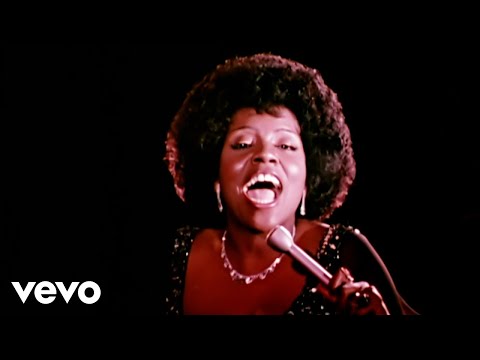

→ More from the 1970s File
View all 1970s hits →




Keep digging