The 1970s File Feature
So Long
So Long — Firefall January 1978 had a specific texture in American popular music. The rock and roll landscape was in the middle of its late-1970s fragmentati…
01 The Story
So Long — Firefall
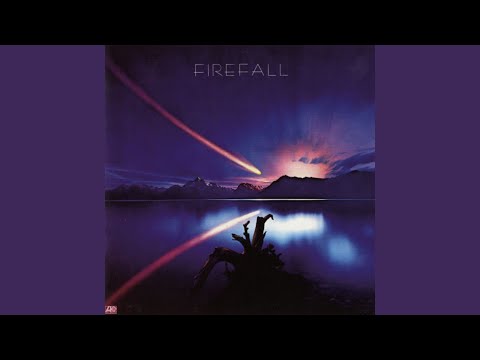
January 1978 had a specific texture in American popular music. The rock and roll landscape was in the middle of its late-1970s fragmentation into distinct stylistic territories, with punk and new wave asserting themselves in the critical conversation while the commercial mainstream continued to reward the polished, melodically accessible rock that had been building its audience throughout the decade. Firefall was a Boulder, Colorado act that fit comfortably in the latter category, a band whose sound drew on the country-rock and soft rock traditions that the Eagles and similar acts had made commercially dominant. So Long debuted on the Hot 100 on January 14, 1978, and climbed to number 48 over six weeks, a solid mid-chart showing for a band that knew its audience and served it well.
Firefall and the Boulder Sound
Firefall formed in Boulder in the mid-1970s, and the city's specific cultural character, outdoors-oriented, politically progressive, with a music scene that valued the country-rock crossover that Colorado geography seemed to invite, shaped the band's sound and sensibility. Rick Roberts, who had played with the Flying Burrito Brothers, brought genuine country-rock credentials to the group, and the combination of that background with a production approach designed for commercial radio accessibility gave Firefall a specific identity within the crowded California and Mountain West soft rock market. Their debut album in 1976 had established the formula: clean harmonies, melodic guitar, songs built around accessible emotional themes, and production that prioritized clarity over texture.
The Sound of "So Long"
So Long inhabited the specific sonic space that Firefall had staked out on their earlier recordings. The guitar work was melodic and clean, the harmonies were carefully constructed and well-executed, and the production maintained the warm, open quality that suited the band's country-rock influences. The record belonged to the late-1970s soft rock tradition: not aggressive, not experimental, not particularly challenging, but extremely well-crafted within the commercial parameters it had set for itself. The melodic writing was strong enough to make the accessibility feel like a choice rather than a limitation, which is the distinguishing characteristic of the better records in this tradition.
The Chart Run
So Long debuted at number 83 on January 14, 1978, and climbed over the following weeks: to 71, then 60, 50, and reaching its peak of number 48 during the week of February 11, 1978. Six weeks total. A peak of 48 placed the record in genuine top-50 territory, a real commercial showing for a band outside the major label promotional apparatus that most of their chart neighbors could access. The six weeks represent sustained commercial engagement with a record that found its audience through radio airplay and the loyalty of listeners who appreciated exactly what Firefall was offering.
The Country-Rock Continuum
In early 1978, the tradition that stretched from the Byrds and Buffalo Springfield through the Eagles, Linda Ronstadt, and Jackson Browne was still a commercially productive category on the pop and rock chart. Firefall occupied a modest but real position in this tradition, producing records that worked in the same emotional and sonic territory while lacking the star power that had driven the commercial peak of the genre's leading names. The band's chart presence was built on genuine craft rather than on the kind of celebrity that could drive a record to the top regardless of its quality.
Boulder as Creative Home
The choice to base themselves in Boulder rather than Los Angeles or Nashville was itself a statement about a certain kind of artistic and personal priority, and it shaped the music in ways that are difficult to quantify but real. The Mountain West landscape, the college town culture, the specific kind of outdoors-oriented communal life that Boulder offered in the 1970s: all of these inflected the band's sensibility and the songs they wrote within it. Records that emerge from specific places carry those places in their texture, and Firefall's Colorado background gave their soft rock a particular quality of openness and space that the more urban-rooted bands of the genre did not always achieve.
The Second Album Moment
So Long came from Firefall's third album, Elan, which marked an ongoing effort to build on the commercial foundation of their debut while refining the craft that had made it successful. The six-week chart showing demonstrated that this effort was maintaining real commercial traction, that the audience who had found them on earlier releases was following the band into new material. Sustained chart presence across multiple albums is the mark of a real audience relationship, as opposed to the one-record wonder, and Firefall's continued presence on the Hot 100 through their first several albums confirmed that they had built something durable within the format they occupied.
Let the harmonies open up and stay a while.
"So Long" — Firefall's singular moment on the 1970s charts.
02 Song Meaning
Farewell and the Open Road: What "So Long" Carries
Departure songs occupy a specific emotional register in popular music, distinct from breakup songs in that they do not necessarily imply failure or pain. A departure can be chosen rather than suffered, a "so long" offered to one situation in order to move toward another. The emotional valence of the farewell depends on whether the leaving is experienced as loss, as freedom, or as both simultaneously.
Country-Rock and the Geography of Leaving
The country-rock tradition that Firefall inhabited had a specific relationship with departure and movement. The music of the American West has always been concerned with the relationship between the person and the landscape, and the landscape of the West implies movement: the open spaces demand to be crossed, the horizon is always somewhere else, and the act of leaving becomes a natural and even necessary part of the genre's emotional vocabulary. When a country-rock band says "so long," it carries the full weight of this tradition, the sense that movement is not merely acceptable but essential to the way life is meant to be lived in this particular imaginative landscape.
The Conversational Farewell
The phrase "so long" is informal, even casual, in contrast to the formal gravity of "goodbye." It suggests that the departure is not permanent, or at least not intended to be: you will meet again down the road, in some future that the farewell does not need to specify. This casualness is itself meaningful, suggesting a relationship relaxed enough to accommodate departure without requiring its dramatization. The lightest forms of farewell are often the most emotionally complex, because they carry the drama inside the apparent ease rather than wearing it on the surface.
Soft Rock and Emotional Accessibility
The late-1970s soft rock tradition that Firefall occupied made specific aesthetic commitments about emotional delivery: directness over complexity, melody over dissonance, accessibility over challenge. These commitments served real emotional needs in their audience: there is genuine value in music that delivers feeling cleanly and without obstacles, that does not require interpretive work before the emotion can be accessed. A farewell song that delivers its feeling immediately serves its listeners differently than one that requires effort to decode, and the specific warmth that well-crafted soft rock achieves is its own form of emotional generosity.
Harmonies as Emotional Support
Firefall's multi-voice harmonies gave their recordings a quality of communal expression that solo vocal records could not replicate. When several voices say "so long" together, the farewell is confirmed and supported by the group; the individual feeling is endorsed by the collective. This function of harmony in folk and country-rock is not incidental but central to the genre's emotional appeal: the community of singers validates the individual experience, making it feel shared rather than solitary.
The Optimism of the Open-Ended Farewell
A departure song that does not resolve into grief is making an implicit argument about the nature of endings: that they are not necessarily permanent, that the road continues, that what looks like a conclusion from one angle is actually a transition from another. The country-rock tradition's deep investment in movement as a positive value gives its farewell songs this quality of residual optimism, the sense that "so long" means "until we meet again" rather than "never again." That emotional stance served Firefall's audience well in January 1978, offering a farewell that felt like permission rather than loss.
→ More from Firefall
View all Firefall hits →
→ More from the 1970s File
View all 1970s hits →




Keep digging