The 1970s File Feature
Livin' Ain't Livin'
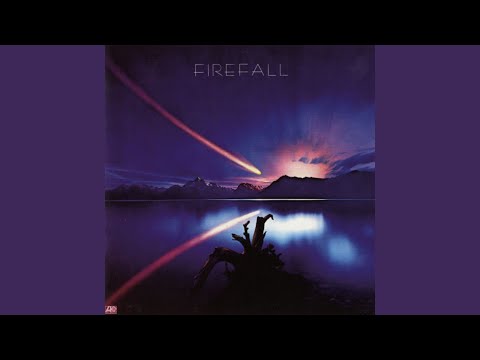
Livin' Ain't Livin' by Firefall There is a warm, breezy quality to mid-1970s soft rock, a sound built on gentle harmonies, melodic guitars, and an easy Calif…
01 The Story
"Livin' Ain't Livin'" by Firefall
There is a warm, breezy quality to mid-1970s soft rock, a sound built on gentle harmonies, melodic guitars, and an easy California glow. Firefall captured that feel as well as anyone, and in the summer of 1976 they were just beginning to make their mark on American radio. This early single announced a band with a real gift for melody and a knack for the kind of smooth, sun-dappled rock that defined the era's airwaves and filled countless summer afternoons with easy, harmony-rich sound.
A Band on the Rise
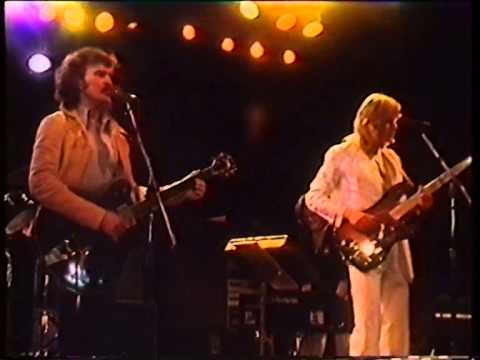
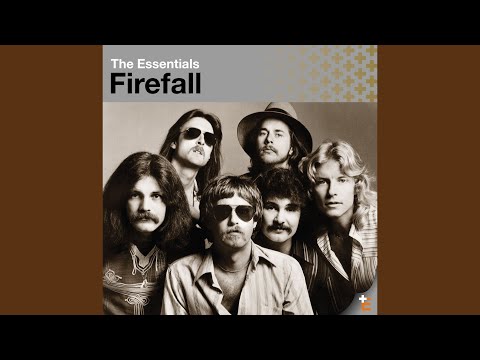
Firefall came together from a circle of seasoned musicians with roots in country rock and folk rock, players who knew their way around a tight arrangement and a memorable chorus. By 1976 they were an emerging force in the soft-rock movement, poised to become one of the reliable hitmakers of the late 1970s. This single arrived early in their run, part of the wave of material that would establish them as fixtures of mellow rock radio and build the audience that carried them through the rest of the decade.
A Smooth, Melodic Sound
The track rides an easygoing groove, all warm guitars and polished vocal harmonies, the hallmarks of the soft-rock style the band helped define. There is a gentle propulsion to it, melodic and inviting without ever pushing too hard. The production is clean and radio-friendly, designed to slip comfortably into the FM soundscape of its moment. It is the sound of a band that understood exactly how to craft a pleasant, hummable record without sacrificing its musical character. The players' backgrounds in country rock and folk rock show through in the easy confidence of the arrangement, the way the harmonies lock together and the melody never strains for effect. It is the work of musicians who had clearly logged plenty of hours together, and that experience lends the track a relaxed assurance that many newer bands of the moment could not match.
A Steady Chart Showing
On the Hot 100 the single performed solidly. It debuted at number 83 on June 5, 1976, then climbed steadily through 72, 62, and 50 before reaching its peak of number 42 on July 10, 1976. Its run spanned eight weeks on the chart. That placement marked an encouraging early success for the band, a sign that their blend of melody and harmony was finding an audience and laying the groundwork for the bigger hits still to come in their career.
Part of a Soft-Rock Legacy
The song belongs to the formative period of a band that would go on to score several beloved soft-rock staples. While it may not be their best-remembered single, it captures the qualities that made Firefall a dependable presence on 1970s radio: smooth arrangements, strong harmonies, and an unfussy melodic sensibility. For fans of the era's mellower sound, it remains a satisfying slice of California-flavored rock, warm and unhurried and built to last well beyond its original moment on the radio.
Ease Into It
This is music for an open window and a warm afternoon, the kind of song that asks nothing of you but a little attention. Press play and let those harmonies wash over you, and you may find yourself reaching for the rest of the era's gentle gems. Some records are simply good company, and this is one of them. It does not demand to be the center of your attention, yet it rewards you if you give it. That unassuming quality is exactly what made Firefall such a fixture of the era's radio, and it is why a song like this still slips so comfortably into a quiet afternoon decades later.
"Livin' Ain't Livin'" — Firefall's singular moment on the 1970s charts.
02 Song Meaning
The Meaning Behind "Livin' Ain't Livin'"
This is a song about the difference between merely existing and truly living, the realization that going through the motions is not the same as being fully alive. Beneath its smooth, pleasant surface runs a thoughtful idea: that life without genuine feeling or connection can feel hollow, no matter how comfortable it looks from the outside. The song gently insists that comfort and security are not the same as fulfillment, and that a person can have every outward marker of success while sensing, somewhere deep down, that something vital is still missing from their days.
Existing Versus Living
The central theme is the gap between survival and a life truly felt. The lyric suggests that a person can move through their days, ticking the expected boxes, and still feel that something essential is missing. That recognition gives the song a reflective weight beneath its breezy sound. It asks the listener to consider whether they are really living or simply passing the time, a question that lands quietly but firmly.
Restlessness as the Message
The emotional core is a gentle restlessness, a sense that something needs to change. Rather than wallowing in dissatisfaction, the song channels that feeling into a kind of yearning for more, for a fuller and more authentic way of being. The longing for genuine vitality drives the lyric, even as the music keeps things warm and accessible. It is a soft-rock song with a thoughtful heart.
A Reflection of Its Time
The mid-1970s saw plenty of music wrestling with questions of meaning and authenticity, as a generation pursued comfort while also searching for something deeper. A song about the emptiness of mere existence fit that mood, speaking to listeners who had achieved a measure of security but wondered whether it was enough. The gentle delivery made the introspection easy to take in.
Why It Resonates
The song endures because the question it raises is timeless. Nearly everyone eventually wonders whether they are truly living or just getting by, and this track gives that universal worry a melodic, approachable voice. Firefall wraps a real idea in an easy sound, letting listeners enjoy the song while quietly reflecting on its meaning. There is a gentle wisdom in a song that can pose a serious question without ever turning heavy or preachy. It trusts the listener to catch the thought beneath the melody, and that trust is part of why the track lingers, inviting you to hum along while it quietly asks whether you are truly living. That balance of ease and substance is a rarer thing than it sounds, and it is exactly what gives the song its quiet staying power.
→ More from Firefall
View all Firefall hits →

→ More from the 1970s File
View all 1970s hits →




Keep digging