The 1970s File Feature
Cinderella
Cinderella: Firefall's Gentle Giant of 1977 A Band Built From the Ashes of Something Bigger Think about the American rock landscape in the mid-1970s. The fre…
01 The Story
Cinderella: Firefall's Gentle Giant of 1977
A Band Built From the Ashes of Something Bigger
Think about the American rock landscape in the mid-1970s. The frenzy of the late-sixties counterculture had burned itself out, and in its place came something softer, more introspective. Country rock had moved from the fringes into the mainstream, carried there by the Eagles, Poco, and a handful of Colorado-based acts who found that acoustic guitars and harmonized vocals could reach audiences that Woodstock-era thunder never could. Firefall emerged from exactly that milieu, founded in Boulder, Colorado in 1974 by Rick Roberts, a former member of the Flying Burrito Brothers who had helped shape the country rock template before leaving to pursue his own vision.
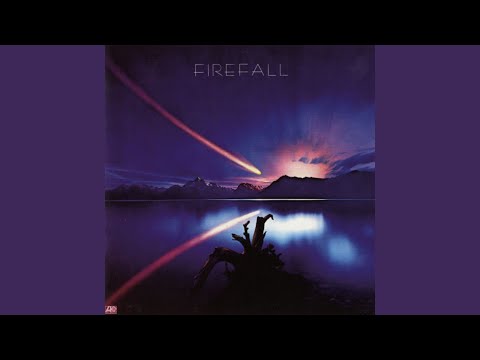
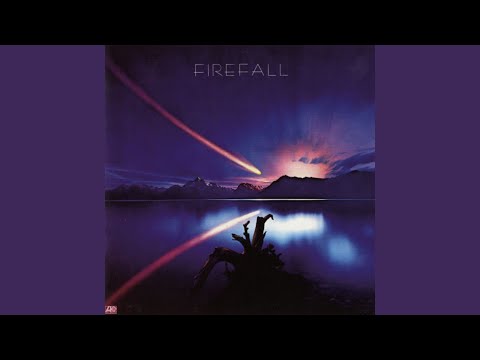
The band's lineup also included Jock Bartley, who had briefly played with Stephen Stills, and Larry Burnett, bringing a combination of pedigree and craft that gave Firefall credibility before they had released a note of original material. Their 1976 self-titled debut on Atlantic Records introduced a sound built on crystalline harmonies, fingerpicked acoustic textures, and the kind of melancholy melodicism that made AM radio feel like a confessional.
The Creation of a Ballad That Lingered
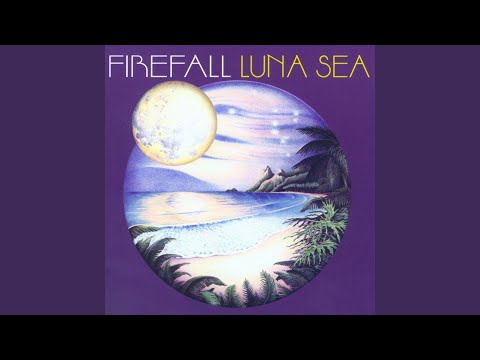
Cinderella arrived on Firefall's second album, Luna Sea, released in early 1977. The song captured everything the band did best: a slow-building emotional arc, harmonies stacked high enough to feel oceanic, and lyrics that painted romantic longing with broad, impressionistic strokes. Where some contemporaries leaned into jangly uptempo arrangements, Firefall understood that restraint could be devastating. The acoustic guitar work on the track has a patient, unhurried quality, as if the song itself is waiting for something that may never come.
Rick Roberts wrote the song, drawing on the storytelling instincts he had honed through years in the country rock world. The Cinderella metaphor gave the track an immediate emotional shorthand: the idea of someone out of reach, beautiful and transformative, slipping away before the clock finishes striking. It was romantic in the grandest sense, not saccharine but genuinely aching.
A Steady Climb Up the Billboard Hot 100
The commercial story of Cinderella is one of patient momentum. The single debuted on the Billboard Hot 100 on March 26, 1977, entering at number 90 and climbing steadily over the following weeks. By late April the track had reached the forties, and it peaked at number 34 on May 14, 1977, spending a total of 10 weeks on the chart. That kind of methodical ascent was typical of the soft rock era, where album-oriented radio built familiarity before Top 40 programmers fully committed.
The song's performance reinforced Firefall's standing as a reliable commercial act rather than a cult favorite. They were not chart-toppers, but they were consistent earners of radio time and listener loyalty. Luna Sea as an album sold respectably, and Cinderella helped sustain that sales run through the spring of 1977.
Where Firefall Fit in the Soft Rock Firmament
In the spring of 1977, the Billboard Hot 100 was a crowded and eclectic document. Fleetwood Mac's Rumours had just been released and was beginning its extraordinary commercial run, while acts like Glen Campbell and Kenny Rogers continued to demonstrate that country-inflected pop could find broad audiences. Firefall occupied a particular niche in that landscape: they were rock enough for AOR stations but smooth enough for listeners who preferred their emotions delivered without distortion pedals.
Jock Bartley's guitar work gave the band a distinctive signature, and the vocal harmonies achieved on tracks like Cinderella were genuinely accomplished rather than manufactured through studio processing. The band sang, and they sang well, which mattered in an era when listeners could still distinguish craft from cosmetic enhancement.
Legacy and the Long Tail of a Gentle Hit
Firefall continued recording through the late 1970s and into the 1980s, scoring additional chart appearances with songs like "You Are the Woman" and "Strange Way," the latter of which became perhaps their most enduring radio staple. Cinderella remains a fondly remembered entry in their catalog, the kind of track that surfaces on 1970s soft rock compilations and triggers genuine nostalgia in those who encountered it during its original run.
The song's relative modesty on the chart, peaking at 34 rather than cracking the top ten, did not diminish its emotional impact for those who loved it. Some songs earn their reputation not through chart dominance but through the specific quality of feeling they deliver, and Cinderella has always traded in feeling over spectacle. Put it on now, close your eyes, and the mid-1970s drift back with surprising clarity.
"Cinderella" — Firefall's singular moment on the 1970s charts.
02 Song Meaning
The Meaning of Cinderella by Firefall: Longing, Transformation, and the Unreachable
The Fairy Tale as Emotional Architecture
There is something disarming about reaching for the Cinderella myth in a pop song. The story is so thoroughly embedded in collective consciousness that even its title carries immediate emotional freight: beauty glimpsed and then gone, transformation followed by disappearance, love that exists only against a ticking clock. Firefall's Cinderella uses that mythology not as a literal retelling but as a frame for exploring romantic longing, the peculiar ache of desire for someone who seems perpetually just beyond grasp.
Rick Roberts constructed the lyric around the central tension of the fairy tale, the sense that the beloved exists in a different register of reality, dazzling precisely because she seems to belong to another world. That dynamic resonates because it maps onto something genuine in the experience of love, the feeling that the person you want most is somehow fundamentally other, unreachable even when physically present.
Softness as Emotional Strategy
The themes of Cinderella are inseparable from the way the music delivers them. Firefall chose restraint over urgency, and that choice shapes how the emotional content lands. The longing in the lyric is not frantic or desperate; it is patient and wistful, the kind of feeling that has settled into someone after hope has cooled into something more like acceptance. That emotional register, melancholy without bitterness, gave the song a quality that listeners in 1977 found genuinely moving rather than melodramatic.
The soft rock genre of the mid-1970s was particularly well suited to this kind of emotional middle ground. Neither the raw catharsis of hard rock nor the polished calculation of pure pop, it occupied a space where adult feelings could be aired with some dignity. Cinderella fit that space perfectly, offering listeners a song that acknowledged the difficulty of romantic longing without collapsing into self-pity.
The Cultural Moment of Mid-1970s Romanticism
The spring of 1977 was a particular kind of cultural moment. The idealism of the 1960s had been definitively extinguished by Watergate, Vietnam, and the economic turbulence of the mid-decade years. What remained was a kind of private romanticism, a retreat from public disillusionment into personal feeling. Songs about love, longing, and emotional vulnerability dominated the pop charts because they offered something the larger culture seemed unable to provide: the possibility of genuine connection.
Firefall's Colorado roots gave their romanticism a particular flavor. The mountain West carried associations with wide spaces and a certain solitude, and that geography seeped into the emotional texture of their music. Cinderella does not feel like a city song; it breathes with the kind of space that allows feelings to expand and be examined rather than rushed past.
Why the Song Still Resonates
Decades after its chart run, Cinderella continues to surface in soft rock collections and nostalgia programming because it captured something fundamental about a certain kind of longing. The Cinderella archetype transcends its era precisely because the feeling it represents, love for someone who seems to exist partly outside the ordinary world, is not historically specific. Every generation produces people who feel it, and every generation responds to songs that articulate it cleanly.
The harmonies Firefall brought to the track remain one of its most affecting qualities. Those stacked vocal lines enact the theme of the lyric: multiple voices reaching toward something in unison, beautiful and slightly out of reach, straining toward a resolution that remains just around the corner. It is craft in service of meaning, and that alignment is what gives the song its staying power.
→ More from Firefall
View all Firefall hits →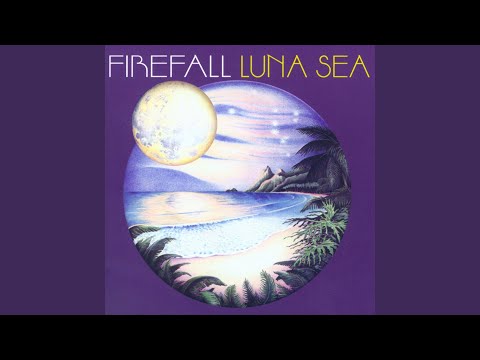
→ More from the 1970s File
View all 1970s hits →




Keep digging