The 1970s File Feature
Tell Her Love Has Felt The Need
Tell Her Love Has Felt the Need: Eddie Kendricks in His Post-Temptations Prime "Tell Her Love Has Felt the Need" arrived in 1974 as part of Eddie Kendricks's…
01 The Story
Tell Her Love Has Felt the Need: Eddie Kendricks in His Post-Temptations Prime
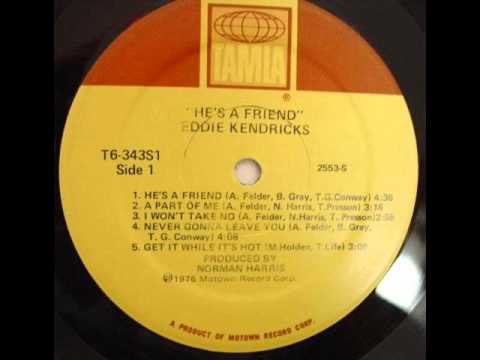
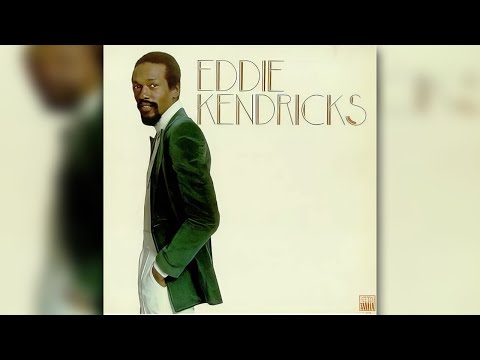
"Tell Her Love Has Felt the Need" arrived in 1974 as part of Eddie Kendricks's remarkable solo run following his departure from the Temptations, a period that produced some of the most distinctive soul and proto-funk recordings of the decade. Released on Tamla Records, the Motown subsidiary that had been Kendricks's commercial home since his Temptations days, the song reflected the broader creative transition Kendricks was undergoing as a solo artist freed from the ensemble dynamic of one of Motown's flagship groups.
Kendricks had left the Temptations in 1971 after a remarkable decade with the group that had included some of the most celebrated vocal performances in soul history. His falsetto was one of the most recognizable instruments in popular music, deployed with extraordinary precision and emotional range across dozens of Temptations recordings from the early and mid-1960s. As a solo artist beginning with his 1971 debut album, he moved deliberately toward a funkier, more contemporary sound, working with producers who understood the direction Black music was heading in the early 1970s as the influence of Sly Stone, James Brown, and the emerging Philadelphia sound began reshaping what soul meant.
His 1973 single "Keep On Truckin'" had been a massive commercial breakthrough, reaching number 1 on the Billboard Hot 100 and establishing him as a genuinely viable solo force rather than merely a Temptations alumnus coasting on past glory. The follow-up, "Boogie Down," also reached number 1 in early 1974, giving Kendricks back-to-back chart-toppers and cementing his position as one of the key voices in the emerging dance-soul fusion that would eventually crystallize into disco. The Norman Whitfield-inflected psychedelic soul of the late Temptations period had given way to something leaner, more groove-oriented, and more explicitly directed at the dance floor.
"Tell Her Love Has Felt the Need" came from this productive period and represented Kendricks engaging with the more tender, emotionally direct mode of his output alongside the dance-funk material that was generating his biggest chart success. The production carried the hallmarks of early-1970s Tamla recording, the sophisticated string arrangements, the tight rhythm section work, and the careful attention to Kendricks's falsetto as the central instrument around which everything else was organized. His voice in this period had lost none of its luminous quality, the characteristic lightness and precision that had distinguished his Temptations work, while gaining a new authority and emotional depth that came from years of experience and the confidence of recent commercial success.
The song also appeared during a broader moment of creative ferment at Motown. Berry Gordy had relocated the label from Detroit to Los Angeles in 1972, a move that signaled both geographic and aesthetic shifts in the company's orientation. The tight, integrated production model of the Hitsville USA era was evolving toward a more varied approach that incorporated the sensibilities of the West Coast music industry alongside the continuing influence of the Detroit soul tradition. For Kendricks, this transitional moment at the label corresponded with his own transitional identity as a newly established solo act.
The record appeared during a period when Tamla and Motown were managing an extraordinarily rich roster, including Marvin Gaye's post-What's Going On experimental period, Stevie Wonder's mid-1970s run of landmark albums, and the continued commercial relevance of the Temptations and Four Tops alongside newer acts. Within this context, Kendricks's solo output represented an important middle ground between the classic Motown sound and the funkier, more contemporary direction the label was navigating in response to shifting musical tastes.
Kendricks would continue releasing material through the mid-1970s before his commercial fortunes began to shift, as the music landscape changed dramatically with the full emergence of disco and the fragmentation of the soul market. But the period from 1973 through 1974 represented a genuine peak of his solo career, a window in which his creative instincts and commercial instincts aligned to produce recordings that held their own against any of the competition in Black popular music. "Tell Her Love Has Felt the Need" belongs to this peak period and reflects its characteristic qualities, sophisticated production, extraordinary vocal performance, and a clear-eyed engagement with the emotional possibilities of the soul ballad form.
02 Song Meaning
The Messenger and the Message: Emotional Advocacy in "Tell Her Love Has Felt the Need"
"Tell Her Love Has Felt the Need" operates within one of the more interesting structural conventions of soul music, the song addressed not directly to the beloved but to a third party who is asked to act as intermediary. The narrator speaks to someone else, asking that person to convey a message of emotional urgency to a woman who is presumably unaware of the depth of feeling directed at her. This triangulated communication structure is deeply rooted in the folk and blues traditions that underlie soul music, and Kendricks works within it with the assurance of an artist who understands both the convention and how to make it feel personal.
The title's language is notable: love is described as having "felt the need," which attributes to the abstract condition of love a kind of autonomous desire. It is not just that the narrator needs or wants, but that love itself, as a force larger than individual feeling, has registered a necessity. This personification of love as agent rather than subject elevates the emotional claim beyond ordinary romantic declaration into something more cosmic and inevitable. The narrator is not simply expressing preference but reporting on the operation of a larger force that neither he nor the woman he loves can ultimately resist.
This metaphysical framing is characteristic of the more ambitious soul songwriting of the early 1970s, a period when artists and writers influenced by the consciousness-expanding cultural movements of the late 1960s were bringing new conceptual ambition to what had been a fairly direct emotional vocabulary in pop music. Marvin Gaye, Stevie Wonder, and Curtis Mayfield were all, in different ways, expanding what a soul record could think about, and Kendricks's solo material participates in this expansion while remaining anchored to the core emotional directness that defined the genre's appeal.
Within Kendricks's catalog, the song represents the tender, emotionally vulnerable mode of his artistry that existed alongside and in some tension with the funkier, dance-floor-directed material that was generating his biggest chart success in this period. His falsetto was the perfect vehicle for this kind of emotional exposure, the high, luminous quality of the voice communicating a kind of openness and rawness that a lower register would not have achieved. The falsetto tradition in soul singing, running from gospel through the doo-wop quartets to Motown and beyond, carries connotations of spiritual aspiration and emotional transcendence that Kendricks activates here with characteristic skill.
The song also participates in a broader cultural moment in Black popular music when questions of communication, vulnerability, and the expression of feeling by men were being explored with new directness. The early 1970s saw a flowering of soul ballads in which male artists articulated emotional need with a candor that challenged the conventional masculine reserve of pop music's earlier eras. Kendricks, with his unique vocal instrument and his years of experience navigating the complex emotional demands of Temptations material, was unusually well-positioned to contribute meaningfully to this development.
The Temptations work had schooled him in the art of the emotional performance, in making large feelings legible and compelling within the tight formal constraints of the pop song. His solo recordings applied those lessons in a context where he was the sole expressive center rather than one voice among several, and the results demonstrated that his gifts extended well beyond what the ensemble format had revealed. "Tell Her Love Has Felt the Need" is one of the quieter demonstrations of those gifts, a song that rewards close listening precisely because its emotional sophistication is not announced but simply present.
→ More from Eddie Kendricks
View all Eddie Kendricks hits →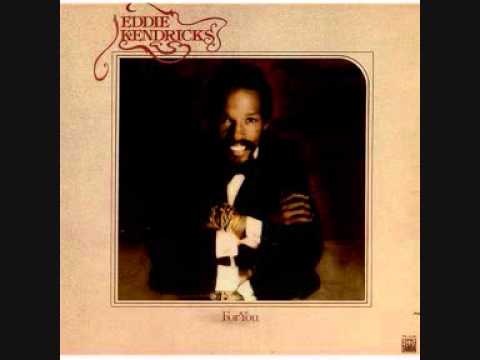
→ More from the 1970s File
View all 1970s hits →




Keep digging