The 1970s File Feature
Shoeshine Boy
"Shoeshine Boy" — Eddie Kendricks After the Temptations, Still Shining Few voices in soul music carry the kind of immediate recognition that Eddie Kendricks …
01 The Story
"Shoeshine Boy" — Eddie Kendricks
After the Temptations, Still Shining
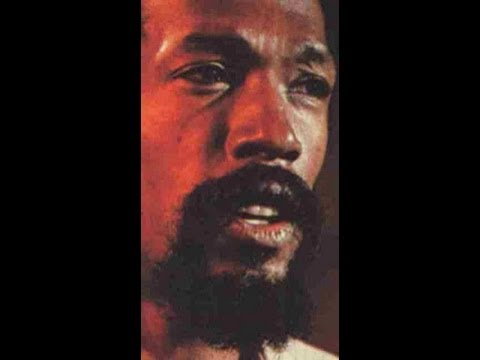
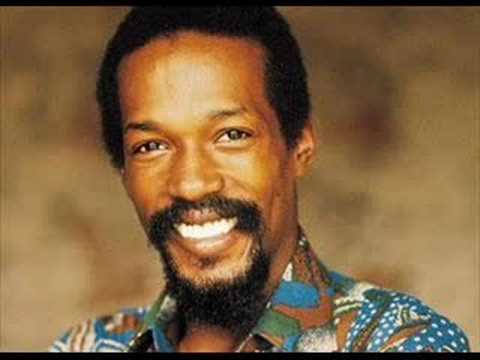
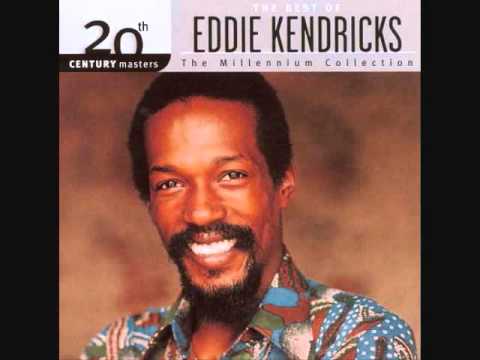
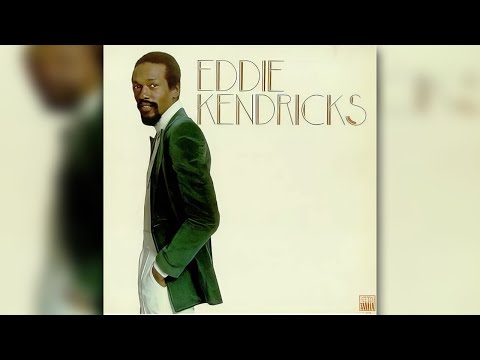
Few voices in soul music carry the kind of immediate recognition that Eddie Kendricks possessed. His falsetto had been at the center of the Temptations' sound through some of the greatest years of Motown's commercial and artistic peak, from "The Way You Do the Things You Do" through "Just My Imagination (Running Away with Me)." By 1974, he had left the group and established himself as a solo artist on Tamla Records, and the results surprised even those who believed in his talent. His 1973 solo breakthrough "Keep On Truckin'" had reached number 1 on the Hot 100, and its follow-up "Boogie Down" matched that performance. "Shoeshine Boy" arrived in 1975 as the heir to those successes, arriving at a moment when the dance floor was the center of American popular music.
The Transition to Funk and Disco
By 1975, the sonic landscape that had produced Motown's classic sound was giving way to something harder-hitting and more rhythmically insistent. Funk, as developed by James Brown and then expanded and popularized by acts like Earth Wind and Fire and the Ohio Players, was dominating Black radio, and the early strands of what would become disco were beginning to emerge from the clubs of New York and Philadelphia. Eddie Kendricks's solo work at Tamla engaged with all of these currents while preserving the vocal qualities that had made him famous. "Shoeshine Boy" fit the emerging dance idiom: it was built on a groove that could sustain a dance floor while giving Kendricks's distinctive falsetto full room to operate.
Eighteen Weeks on the Hot 100
The single entered the Billboard Hot 100 on February 15, 1975, at position 97, and then proceeded through an extended eighteen-week run that demonstrated the kind of slow-building commercial momentum that defined the best dance records of the era. Its peak of number 18 came on May 31, 1975, a top-twenty showing that confirmed Kendricks's standing as a legitimate solo star rather than merely a former Temptation trading on past glory. The trajectory of the chart run reflected consistent radio support across a wide range of markets, from urban stations that prioritized R&B to pop stations that had begun to recognize the crossover appeal of the post-Motown dance sound.
The Tamla Sound and Motown's Evolution
Tamla was the Motown subsidiary label on which many of the company's most significant acts had released their work, and by the mid-1970s the Motown enterprise itself was in the midst of a significant transition. The company had moved its headquarters from Detroit to Los Angeles in 1972, and the classic "Sound of Young America" that had defined its peak years was giving way to a broader range of sounds and production approaches. Kendricks's mid-1970s work at Tamla sits within that transition, retaining the label's commitment to vocal quality and melodic songwriting while embracing the rhythmic intensity that the new dance era demanded. "Shoeshine Boy" navigated those competing demands with considerable skill.
A Catalog That Deserves Its Flowers
The arc of Eddie Kendricks's career from the Temptations through his solo Tamla years to the reunion recordings he made later is one of the more fascinating and underexamined trajectories in American soul music history. "Shoeshine Boy" belongs to its most commercially productive chapter, a period when his falsetto was being deployed in service of music that was genuinely of its moment rather than nostalgic. The eighteen-week chart run and the top-twenty peak are the objective record of what listeners at the time recognized: here was a voice that had made the transition from one era of Black popular music to another without losing anything essential in the process.
That falsetto still cuts through forty years of everything that came after it. Press play and see what the top of the register sounds like when a master is working it.
"Shoeshine Boy" — Eddie Kendricks's singular moment on the 1970s charts.
02 Song Meaning
"Shoeshine Boy" — Eddie Kendricks: Meaning and Legacy
Labor, Dignity, and the Dance Floor
The imagery embedded in "Shoeshine Boy" connects the song to a long tradition in Black American music of finding dignity and even celebration in working lives. The shoeshine worker, a figure who occupies a specific place in American social and racial history, is not typically the subject of celebratory pop music. Kendricks's track takes that figure and makes it the occasion for something joyful, a move that carries its own implicit argument about the worth of all labor and all laborers. That tradition of finding music in work runs through the blues, through early R&B, through soul, and "Shoeshine Boy" participates in it without any particular solemnity.
The Falsetto as Instrument and Identity
Eddie Kendricks's falsetto was not merely a technical device but a marker of his artistic identity and, in a broader sense, a significant element of what Motown and post-Motown soul music meant culturally. The falsetto in Black vocal tradition carries associations with vulnerability, transcendence, and an emotional register that conventional chest voice cannot access. Kendricks extended and refined this tradition in ways that influenced soul and R&B singing for decades. In "Shoeshine Boy," the falsetto is deployed in service of a dance track, which creates an interesting tension: the voice's associations with emotional delicacy are placed in the context of music whose primary purpose is physical engagement. That tension generates some of the track's energy.
Mid-Seventies Black Music and the Groove Imperative
By 1975, the groove had become the organizing principle of Black popular music in a new and thoroughgoing way. Funk's influence had established the expectation that the rhythm section was not accompaniment but the primary argument, with vocals and melodic instruments layered on top rather than supported by it. The production of "Shoeshine Boy" reflects this shift, building from a rhythmic foundation that could sustain a dance floor rather than from the melodic orchestrations that had characterized Motown's earlier recordings. Kendricks's ability to adapt to this changed environment without losing his distinctive voice was part of what made his mid-seventies period commercially successful and artistically coherent.
The Solo Artist and the Group Legacy
There is always a question, when a singer leaves a celebrated group, of whether the solo work will justify the departure or simply confirm that the group was greater than any individual part. Eddie Kendricks answered that question with his early solo work, and "Shoeshine Boy" is part of that answer. The top-twenty chart performance in 1975 was not a fluke built on name recognition alone; it reflected genuine artistic identity and a sound that the public found worth seeking out on its own terms. The fact that the Temptations remained active and successful during the same period only strengthened the argument for Kendricks's individual standing.
A Touchstone for Dance Music History
For scholars and enthusiasts of 1970s Black popular music, the Kendricks solo catalogue at Tamla represents a crucial transitional moment, the period when Motown's classic approach was giving way to the rhythms and aesthetics that would define the latter half of the decade. "Shoeshine Boy" sits at that transition point, carrying enough of the old melodic craft to satisfy listeners who loved the classic sound while building on the new rhythmic vocabulary that the dance floor was demanding. That dual quality gives it historical significance beyond its chart performance, as evidence of how American popular music navigated one of its most consequential stylistic shifts.
→ More from Eddie Kendricks
View all Eddie Kendricks hits →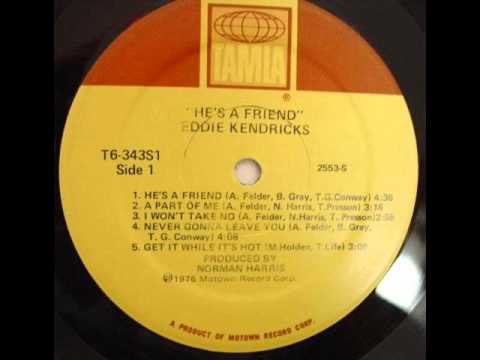
→ More from the 1970s File
View all 1970s hits →




Keep digging