The 1970s File Feature
How Can I Be Sure
The Teen-Idol Tenderness of How Can I Be Sure by David Cassidy Picture the early 1970s, when teenage bedroom walls across America were papered with posters o…
01 The Story
The Teen-Idol Tenderness of "How Can I Be Sure" by David Cassidy
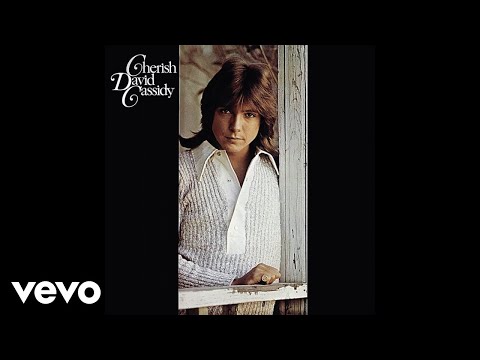
Picture the early 1970s, when teenage bedroom walls across America were papered with posters of a single dimpled, feathered-hair heartthrob. David Cassidy was at the absolute peak of his fame, a television star turned pop sensation whose every release sent young fans into a frenzy. His version of "How Can I Be Sure" gave that adoring audience a tender, swooning ballad, a song of romantic uncertainty delivered by the most beloved teen idol of his moment.
A Television Star at the Peak of Fame
By 1972 David Cassidy was a genuine phenomenon. He had become a household name through a hit television series about a musical family, and that fame had launched a parallel career as a recording star and concert draw. Cassidy was one of the biggest teen idols of the early 1970s, commanding a devoted following that hung on his every move. His clean-cut charm and gentle singing voice made him perfectly suited to the romantic pop ballads that his fans craved.
The pressure of that fame was immense, but at this moment Cassidy was riding a wave of adoration few performers ever experience. This single arrived as part of that remarkable run, another offering to an audience that could not get enough of him.
A Swooning, Romantic Ballad
The song itself, a cover of a tune first made famous by another act, is a lush and emotionally direct ballad about the doubts and hopes of love. Cassidy delivers it with earnest tenderness, his soft voice perfectly suited to the song's vulnerable sentiment. The arrangement is warm and romantic, building gently to support the emotional questions at the song's heart. There is no irony or distance here, only sincere feeling aimed straight at the heart of his young audience.
That earnest, swooning quality was exactly what his fans wanted, and Cassidy delivers it with complete conviction. He understood his audience intimately and gave them precisely the romantic sincerity they craved, never condescending to the material or holding back. The result feels genuine rather than calculated, a performance fully committed to the song's tender emotional core.
The Weight of Idol Fame
It is worth remembering the peculiar pressures that came with Cassidy's position. Teen-idol fame burned bright but rarely lasted, and the demands of constant touring, recording, and public adoration took a real toll on the young star. Cassidy carried the enormous expectations of millions of devoted fans, a burden that few could sustain indefinitely. Songs like this one were part of a relentless machine that kept the idol phenomenon running. Hearing the recording now, with the knowledge of how fleeting such fame proved to be, lends it a touch of poignancy beneath its romantic sweetness, a snapshot of a moment that could not last.
A Strong Run on the Hot 100
The single performed solidly on the national chart. "How Can I Be Sure" debuted on the Billboard Hot 100 on May 20, 1972, at number 63. It climbed steadily over the following weeks, moving to 50, then 43, then 35, then 27 as it gathered momentum. The song reached its peak of number 25 during the chart week of July 1, 1972. In total it spent 9 weeks on the Hot 100, a respectable run that confirmed Cassidy's continued appeal as a recording artist at the height of his teen-idol stardom.
A Snapshot of a Phenomenon
"How Can I Be Sure" stands as a charming document of David Cassidy's peak years, a tender ballad that captured both his vocal warmth and his extraordinary connection with his audience. His fame would eventually fade, as teen-idol fame always does, but recordings like this preserve the gentle appeal that made him a sensation. The track has gathered more than 285,000 views on YouTube, where listeners can revisit the swooning romance of an early-1970s idol.
Press play and step back into that frenzied era, hearing the soft, sincere voice that once captivated a generation of young fans.
"How Can I Be Sure" — David Cassidy's singular moment on the 1970s charts.
02 Song Meaning
What "How Can I Be Sure" Really Means
"How Can I Be Sure" is a song about the doubts and insecurities that come with love, the anxious questioning of whether a romance is real and lasting. Its meaning lies in that universal uncertainty, the fear and hope tangled together at the start of deep feeling.
The Question of Certainty
The song's title poses the central question directly. The narrator wants to know whether he can trust the love he feels and the love he hopes to receive. The central theme is romantic doubt and the longing for reassurance, the difficulty of being certain in matters of the heart. That questioning captures a feeling familiar to anyone who has ever wondered whether their love was truly returned.
Vulnerability in Love
The song is built on emotional vulnerability, the willingness to admit fear and uncertainty rather than projecting confidence. The emotional message embraces the insecurity that accompanies deep feeling, the recognition that love makes us anxious as well as happy. That honesty about the fragile side of romance gives the song its tenderness and its relatability, an admission that loving someone means risking doubt.
Hope Beneath the Doubt
For all its uncertainty, the song is not despairing. Beneath the questioning runs a current of genuine hope, a wish for the reassurance that would settle the narrator's fears. The song balances anxiety with a yearning for security, the hope that love will prove true. That mixture of doubt and hope is what makes the emotion feel real, capturing the genuine complexity of falling in love.
A Song for Its Young Audience
For David Cassidy's teenage fans, the song's themes of romantic uncertainty spoke directly to their own emerging emotional lives. Young love is full of exactly these questions and doubts, and a beloved idol singing about them offered both comfort and connection. The song met its audience precisely where they were, in the anxious, hopeful world of first love.
The Universality of Insecurity
Although the song spoke powerfully to teenagers, its emotional truth extends to lovers of any age. The doubt at its heart does not belong only to the young; even the most experienced hearts can wonder whether their feelings are returned. The song captures an insecurity that follows people throughout their romantic lives, the recurring need for reassurance that love brings. That broad applicability is part of why the song has endured beyond its original teen-idol context, speaking to anyone who has ever loved and doubted.
Why It Resonated
The song connected because its emotional honesty is timeless and universal. The uncertainty of love, the longing to be sure of another's heart, is something nearly everyone has felt at one point or another. Delivered with sincerity by a singer his fans adored, that familiar doubt and hope felt deeply genuine, which is why the song struck such a chord with the young audience who cherished it.
→ More from David Cassidy
View all David Cassidy hits →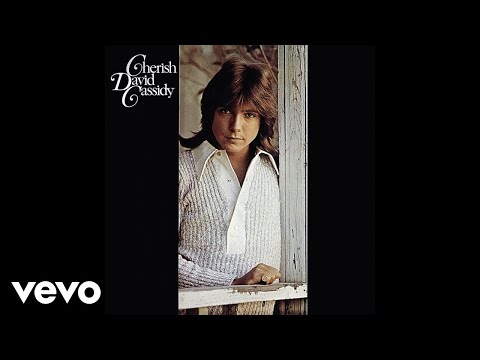

→ More from the 1970s File
View all 1970s hits →




Keep digging