The 1970s File Feature
The Way I Feel Tonight
"The Way I Feel Tonight" — Bay City Rollers and the Last Hurrah of Tartan Mania Tartan Scarves at the Peak of the Storm There is something almost surreal abo…
01 The Story
"The Way I Feel Tonight" — Bay City Rollers and the Last Hurrah of Tartan Mania
Tartan Scarves at the Peak of the Storm
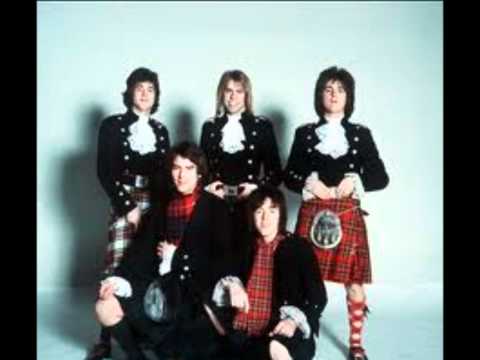
There is something almost surreal about the Bay City Rollers phenomenon when viewed from the distance of decades. In the mid-1970s, the Edinburgh-born pop group generated a level of adolescent devotion that had not been seen in Britain since the early days of Beatlemania. Stadiums shook. Tartan scarves were waved in synchronized waves. Young fans fainted. The British press coined the term "Rollermania" without a trace of irony, and for several years running, the group sold records by the tens of millions worldwide. By 1977, however, the tide was beginning to shift, and The Way I Feel Tonight arrived as a more musically mature offering from a band trying to grow beyond the teen-pop template that had made them famous.
The Rollers had conquered their home country first, racking up UK hits throughout the early 1970s, before breaking America in spectacular fashion in 1975 with "Saturday Night," which hit number one on the Billboard Hot 100. That success opened the floodgates for a full American campaign, and by 1976 and 1977, the group was a genuine transatlantic phenomenon. Lead vocalist Les McKeown was the public face of the band, the photogenic frontman whose image was plastered across teen magazines from Edinburgh to Los Angeles. But by the time this single arrived, the cracks in the Rollermania edifice were beginning to show.
A Smoother Sound for a Changing Market
The musical approach on The Way I Feel Tonight represented a conscious shift. Where the band's early hits traded in punchy, buoyant pop with shouted choruses designed to soundtrack mass singalongs, this track moved toward a warmer, more melodically sophisticated style. The arrangement leaned into glossy mid-1970s production values, with lush backing and a more restrained vocal performance. The goal was transparent: the group was trying to broaden its appeal beyond the core teenage fanbase and demonstrate range to a skeptical music press that had always treated the Rollers as a manufactured commodity rather than genuine artists.
Whether that strategy succeeded artistically is a matter of perspective. What the chart data demonstrates is that the record found a genuine audience on both sides of the Atlantic. In the United States, the single debuted on October 15, 1977, entering the Billboard Hot 100 at position 89. The climb was gradual but consistent, and the record eventually reached its peak of number 24 on January 7, 1978, after 17 weeks on the chart. That was a meaningful performance, sustaining chart presence across a competitive end-of-year period when holiday releases and blockbuster albums tend to dominate the available radio oxygen.
The American Strategy and Its Complications
The Bay City Rollers' American push was an elaborate operation, coordinated through their manager Tam Paton and their label relationships. The group had relocated significant portions of their operations to the United States to capitalize on the post-"Saturday Night" goodwill, including hosting their own American television variety show, Shang-a-Lang. The machinery of teen pop stardom was running at full capacity.
But 1977 was a complicated year for British pop in America. Punk rock was rewriting the rules in the UK, disco was reshaping American radio, and the emerging sounds of new wave were beginning to suggest that the clean-cut, wholesome pop the Rollers represented was looking slightly out of step with where the culture was heading. The 17-week chart run of this single was partly a testament to residual fanbase loyalty and partly evidence that the band still had genuine commercial instincts, even if the cultural moment was beginning to move on without them.
Personnel and the Sound of Transition
The lineup producing this material included the core group members who had defined the classic Rollers sound, with contributions from the rhythm section anchoring the glossier production style. The production values reflect the period's preference for layered, studio-crafted arrangements over the raw edge that had characterized some of the band's early work. The single sounds like a group working to find a sustainable commercial lane in a landscape that was shifting rapidly beneath their feet.
Placing "The Way I Feel Tonight" in the Arc
Looked at within the full arc of the Bay City Rollers' career, the track occupies an interesting position: it is the work of a band sophisticated enough to recognize that the teen-pop formula had a limited shelf life and ambitious enough to try pivoting. The 17-week chart run and a peak of 24 on the Billboard Hot 100 represented genuine staying power, not a flash-in-the-pan moment. For listeners who discovered the band through this record rather than through the pure Rollermania of a few years earlier, the song offered a warmer and more nuanced entry point into their catalog.
Put it on and let that polished, earnest mid-1970s sound transport you back to a very specific window in pop history.
"The Way I Feel Tonight" — Bay City Rollers' singular moment on the 1970s charts.
02 Song Meaning
"The Way I Feel Tonight" — Longing, Maturity, and the Limits of Teen Pop
A More Vulnerable Emotional Register
The Bay City Rollers built their empire on songs designed to generate maximum excitement in teenage audiences: fast tempos, group chants, the communal thrill of a shared anthem. The Way I Feel Tonight operates in a different register. The song leans into emotional vulnerability and romantic yearning, asking listeners to feel something more private and introspective than the arena-filling jubilation of the band's biggest early hits. That shift in emotional approach was deliberate, and it speaks to a genuine attempt to deepen the group's artistic identity.
Romantic Longing and the 1970s Landscape
The lyrical territory of the song, focused on the intensity of romantic feeling and the desire to communicate that feeling to another person, placed it squarely within the mainstream pop-soul tradition of the mid-to-late 1970s. That era was rich with similarly themed material from artists working across soul, soft rock, and adult contemporary. The emotional core of the song tapped into a universal experience: the slightly overwhelming nature of strong romantic feeling, the urgency to express it and have it recognized. There was nothing fashionably ironic or detached about the sentiment; it was earnest to its core, and that earnestness was both its greatest strength and potentially its liability in a moment when cool detachment was beginning to carry cultural prestige.
In 1977 and early 1978, the American mainstream music landscape was a fascinating collision of styles. Disco was at or near its commercial zenith. Soft rock commanded enormous radio presence. The post-Beatle singer-songwriter tradition was producing mature, emotionally complex material. Into this environment, the Rollers delivered a track that fit neatly into the soft rock and mainstream pop space without obviously belonging to any single camp.
Growing Up in Public
For the Bay City Rollers, one of the recurring challenges of their mid-to-late career was the difficulty of growing up in public. The Rollermania phenomenon had fixed the group in the cultural imagination as a product of adolescent enthusiasm, and moving beyond that perception required a sustained demonstration of artistic range. The Way I Feel Tonight was one attempt to make that case, presenting the band as capable of handling adult romantic material with sincerity rather than just generating teenage excitement.
Whether listeners received it as evidence of genuine growth or simply as a pleasant pop record probably depended on what they brought to the listening. For existing fans who had grown alongside the band, there was something genuinely moving about the shift in tone. For new listeners encountering the group without the Rollermania backstory, the song stood on its own merits as a well-crafted piece of romantic pop.
Resonance and What the Song Communicates
The enduring quality of the track is its straightforwardness. In an era that sometimes valued complexity and sophistication above clarity of feeling, the song made no apologies for its emotional directness. The feeling of intense romantic connection, that particular state where what you feel seems almost too large to contain or communicate, is one of the most universally recognizable human experiences. Songs that articulate it honestly, without irony or excessive ornamentation, tend to have a staying power that more self-consciously clever material sometimes lacks.
The 17-week presence on the Billboard Hot 100, culminating in a peak of 24, suggests the record found its audience among listeners who responded to exactly that emotional honesty. It remains a window into a specific and fascinating transitional moment in a band's life, and in the life of popular music in the late 1970s.
→ More from Bay City Rollers
View all Bay City Rollers hits →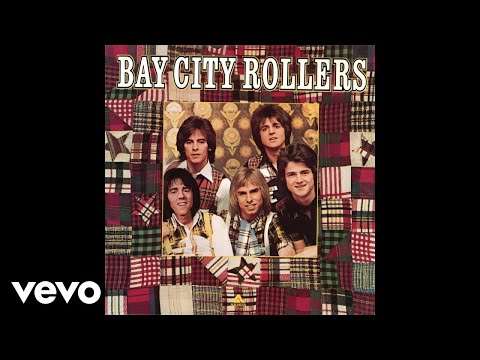
→ More from the 1970s File
View all 1970s hits →




Keep digging