The 1970s File Feature
Break Away
“Break Away” by Art Garfunkel: A Pure Voice In 1975 Picture the mid-1970s, when one of the most beautiful voices in popular music was making his way as a sol…
01 The Story
“Break Away” by Art Garfunkel: A Pure Voice In 1975
Picture the mid-1970s, when one of the most beautiful voices in popular music was making his way as a solo artist after years as half of one of the most beloved duos in history. That voice belonged to Art Garfunkel, and “Break Away” found him delivering his signature pure, soaring vocal in a polished, melodic setting. Garfunkel was celebrated for the angelic clarity of his voice, and this single showcased the warm, beautifully produced sound that defined his solo work.
Where The Artist Stood
By 1975, Art Garfunkel was establishing himself as a solo artist, celebrated for the pure, soaring beauty of his voice after years as part of one of the most beloved duos in popular music. He brought that angelic clarity to polished, melodic solo material. Art Garfunkel possessed one of the purest and most beautiful voices in popular music, an instrument of remarkable clarity and warmth. “Break Away” arrived as part of his solo run, a polished single that showcased his signature vocal. For a singer of his extraordinary gift, a warm, melodic song was the perfect vehicle for the pure beauty of his voice.
The Sound Of The Record
The track is warm, polished pop, built on a strong melody, a rich arrangement, and Garfunkel's pure, soaring vocal. It moves with melodic warmth, the kind of beautifully produced sound that showcased his angelic voice. Garfunkel's pure, soaring vocal is the heart of the recording, carrying the song with remarkable clarity and warmth. The arrangement is rich and tasteful, framing the voice with care and elegance. It is the kind of record that puts a beautiful voice front and center, a warm, melodic song built to showcase the pure clarity of Garfunkel's singing. There is a real elegance to the whole recording, the sense of a beautiful voice given a setting worthy of it, delivering warm, melodic pop with the angelic clarity that made Garfunkel one of the most beloved singers of his time. The arrangement frames the voice with care and warmth, every element placed to let its pure clarity shine. That combination of vocal beauty and tasteful production, of angelic clarity and warm, melodic craft, is exactly what made Art Garfunkel's solo work so appealing and what confirmed his place among the most beautiful voices in all of popular music.
The Chart Journey
On the Billboard Hot 100, “Break Away” performed respectably. It debuted on December 27, 1975 at number 81, then climbed steadily over the following weeks, moving to 71, then 61, then 52, then 43, before ultimately reaching its peak of number 39 on January 31, 1976. In total it spent an impressive eleven weeks on the Hot 100, a durable run that reflected genuine listener support for Garfunkel's solo work. Breaking into the top 40 of the chart was a meaningful achievement, confirming the appeal of his pure, beautifully produced sound.
Its Place In The Story
“Break Away” stands as a fine example of Art Garfunkel's pure, beautifully produced solo work, a single that captures the angelic clarity of his voice. It reflects his gift for warm, melodic pop built around his remarkable vocal. The song showcases one of music's most beautiful voices in a polished, melodic solo setting. With around 154,000 YouTube views keeping it accessible online, it continues to reach listeners drawn to its pure beauty. For anyone exploring Garfunkel's solo catalog or the melodic pop of the mid-1970s, this single is a warm and rewarding stop, a fine showcase of one of pop's purest voices, a warm reminder of the angelic clarity and melodic beauty that made Art Garfunkel one of the most beloved singers of his generation.
Press play and let the pure, soaring beauty of Art Garfunkel's voice carry you away.
“Break Away” — Art Garfunkel's singular moment on the 1970s charts.
02 Song Meaning
What “Break Away” Conveys
This is a song about freedom, change, and the desire to move on or start anew, captured in the liberating phrase that gives it its title. It speaks to the impulse to break free from what holds us back and reach for something new. That sense of liberation and renewal is the core the whole song is built around.
The Central Theme
At its heart, the lyric explores the desire to break away, to free oneself from what holds one back and reach for change or renewal. It speaks to the impulse for freedom, the longing to move on and start anew. The theme is liberation and the desire for renewal, the impulse to break free and reach for something new. It is a song about change and the courage to pursue it, about the deeply human wish to leave behind what no longer serves us and move toward something better.
Emotion And Tone
The emotional tone is warm, hopeful, and quietly liberating, perfectly matched to the melodic arrangement and Garfunkel's pure vocal. There is yearning here, the desire for freedom and renewal, conveyed with warmth and beauty. Garfunkel's pure, soaring vocal carries the song's hopeful emotion, conveying the desire for liberation with angelic clarity. That blend of yearning and beauty, delivered through such a pure voice, is exactly what made Garfunkel's solo work so affecting and so appealing to listeners.
The Cultural Moment
In the mid-1970s, warm, melodic pop flourished, with beautifully produced singer-songwriter and vocal material finding wide appeal. The era prized melody, emotional warmth, and vocal beauty. The song reflects this melodic pop tradition, fitting neatly into a moment when warm, polished music thrived. It belongs to an era when popular music made ample room for vocal beauty and the warm, emotionally engaging sound of artists like Garfunkel.
The Longing For Freedom
Part of what gives the song its resonance is the universality of its central desire. The longing to break away, to free oneself and start anew, is something nearly everyone has felt at some point. By giving voice to that impulse with warmth and beauty, the song connects with a deeply human emotion. That focus on liberation and renewal lends the song a hopeful, uplifting quality, the sense of a wish for freedom expressed through one of the purest voices in popular music.
Why It Resonates
The desire for freedom and renewal is deeply universal, and the song channels that longing through warm, beautifully sung pop. Its hopeful liberation is easy to connect with, the kind of yearning that speaks to anyone who has wished to break free. That longing for renewal is its lasting appeal. The song resonates with anyone who has wanted to start anew, and with everyone who appreciates the pure, beautiful voice that Art Garfunkel brought to this warm, liberating song.
→ More from Art Garfunkel
View all Art Garfunkel hits →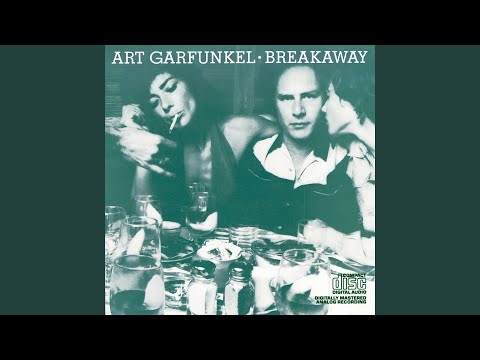
→ More from the 1970s File
View all 1970s hits →




Keep digging