The 1970s File Feature
The Peacemaker
The Peacemaker: Albert Hammond Navigates the Difficult Second Single The challenge of the follow-up single is one of pop music's most reliably unforgiving te…
01 The Story
The Peacemaker: Albert Hammond Navigates the Difficult Second Single
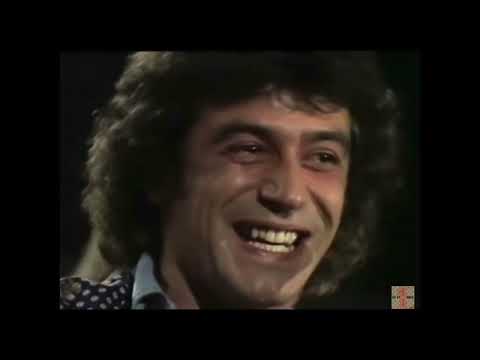
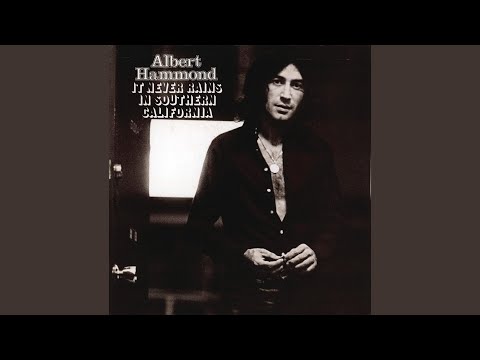
The challenge of the follow-up single is one of pop music's most reliably unforgiving tests. An artist who achieves a significant hit must then produce something that satisfies the audience that discovered them through that hit while also demonstrating artistic range sufficient to justify a sustained career. For Albert Hammond, whose debut American single "It Never Rains in Southern California" had reached number five on the Billboard Hot 100 in late 1972, this challenge was particularly acute. The song had been such a distinctive, fully realized piece of work that any follow-up would struggle to match its specific combination of melody, lyrical imagery, and emotional atmosphere.
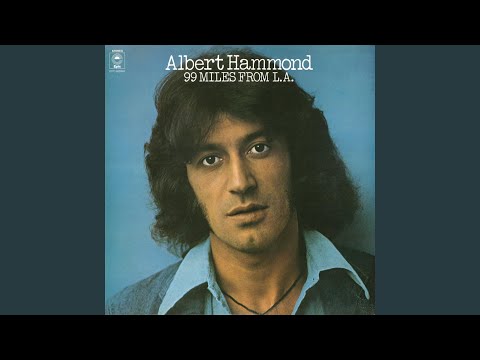
"The Peacemaker", released in 1973, represented Hammond's attempt to navigate this terrain. Charting at number eighty on the Hot 100 and spending four weeks on the chart, it demonstrated that Hammond retained a fanbase willing to follow him to new material, while also confirming that the commercial stratosphere of his debut would be difficult to revisit. The four-week chart run and the modest peak position told the story of a record that found its audience without expanding it, which is a common fate for second singles from artists whose debut had succeeded through the particular chemistry of timing and emotional resonance rather than purely through the machinery of promotion.
Albert Hammond was a seasoned professional by the time of his American chart breakthrough, despite the sense of discovery that accompanied his US success. Born in London and raised in Gibraltar, he had spent years working in the British pop industry as a songwriter and performer before finding his footing with American audiences. His songwriting partnership with Mike Hazlewood had produced hits for other artists, and Hammond had developed a thorough understanding of commercial song construction through this professional apprenticeship that would have been invisible to casual listeners who encountered him first through "It Never Rains."
"The Peacemaker" worked within a Western-influenced framework, drawing on the imagery and musical vocabulary of the American Western tradition while applying it to a contemporary emotional situation. The genre was not entirely unexpected given Hammond's sustained engagement with American musical forms, but it represented a different tonal register from the Southern California melancholy of his breakthrough. Where "It Never Rains" had been about disappointment and disillusionment with a particular version of the American dream, "The Peacemaker" adopted a more romantic, heroic stance that connected to different cultural associations.
Mums Records, the label that released Hammond's American material during this period, was working to establish him as a viable album artist rather than a one-hit singles act, which shaped the promotional strategy around "The Peacemaker." The record was positioned as evidence of range and versatility, demonstrating that Hammond could operate in different emotional and thematic registers rather than simply reprising the formula of his debut success. This was a sound commercial instinct even if the chart results did not fulfill the ambition behind it.
The production values on "The Peacemaker" were in keeping with the early 1970s soft rock production aesthetic, with clean arrangements that foregrounded Hammond's melodic gifts and his warm, slightly husky vocal delivery. The Western elements were integrated rather than dominant, functioning as atmospheric coloring rather than genre pastiche. This integration reflected the skill of a songwriter who understood how to use musical reference points in service of the song rather than as an end in themselves.
Hammond's lasting significance in the history of popular music rests primarily on his career as a songwriter, a role in which he has operated at the highest level for more than five decades. Songs he wrote or co-wrote for artists ranging from The Hollies to Whitney Houston have demonstrated a versatility and commercial instinct that his own recording career, while respectable, did not fully reflect. "The Peacemaker" stands in his catalog as an example of the solid professional craft that ran through all of his work, if not as the transformative commercial statement that "It Never Rains in Southern California" had briefly suggested he might achieve as a recording artist in his own right.
The four weeks on the Hot 100 were enough to confirm Hammond's presence in the American market and maintain his profile while the more important work of building a songwriting legacy proceeded in the background. Viewed in that light, "The Peacemaker" served its purpose, even if the purpose it served was more modest than the breakthrough of his debut had seemed to promise.
02 Song Meaning
The Meaning Behind "The Peacemaker": Resolution, Mediation, and the Western Metaphor
"The Peacemaker" by Albert Hammond draws on the deep well of Western mythology that has functioned as one of American popular culture's most persistent moral frameworks. The figure of the peacemaker in Western tradition is not merely a pacifist or a diplomat but someone who brings resolution through a combination of personal authority, physical presence, and moral clarity: a character who can end conflict not by avoiding confrontation but by possessing the strength to make confrontation unnecessary.
In the romantic context that Hammond's song constructs around this imagery, the peacemaker figure becomes a partner who brings stability and resolution to a relationship defined by conflict. The narrator presents himself as someone whose role in the relationship is to absorb tension, mediate disagreement, and provide the emotional anchor that allows the partnership to survive its difficulties. This is a recognizable romantic archetype: the calm center in a turbulent dynamic, the person who de-escalates when the other's emotions run hot.
The Western framework gives this dynamic a particular kind of masculine coloring. The gunfighter who chooses peace over violence, who has the power to destroy but chooses instead to protect and stabilize, is a specifically American heroic type with deep roots in the genre's mythology. Hammond is transposing this archetype into a domestic emotional register, suggesting that the qualities that make the legendary peacemaker admirable in the frontier context translate into something equally valuable in intimate relationships.
This transposition is not without its complications. The peacemaker figure in Western mythology is fundamentally solitary, a wanderer whose effectiveness depends partly on his distance from the communities he protects. Applying this imagery to romance creates a slight tension: the best romantic partners are not lone figures who pass through and then move on but people capable of genuine sustained presence and vulnerability. The song navigates this tension by emphasizing the narrator's commitment to the relationship rather than his distance from it, bending the metaphor toward emotional availability rather than stoic detachment.
The early 1970s context in which "The Peacemaker" appeared gave the Western metaphor additional resonance. The counterculture's critique of American violence and imperialism had complicated the Western genre's previously uncritical heroism, and the figure of the peacemaker offered a way to rehabilitate certain Western values without endorsing the genre's traditional violence. Someone who brings peace through strength and moral authority rather than through superior firepower was a more palatable hero for the post-Vietnam moment than the conventional gunfighter.
Albert Hammond's skill as a songwriter is evident in the way he uses the metaphor without overloading it. The song does not belabor the Western references or construct an elaborate allegorical structure: the imagery is present as atmospheric texture and emotional framing rather than as the song's primary subject matter. The primary subject is the relationship and the narrator's role within it, and the Western metaphor serves that subject without displacing it. This economy of means is the mark of a craftsman who understands how to deploy reference points in service of emotional truth rather than as demonstrations of cleverness.
→ More from Albert Hammond
View all Albert Hammond hits →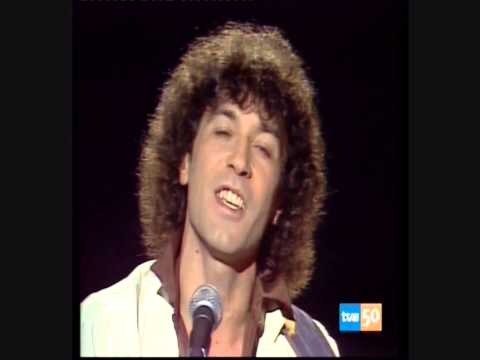

→ More from the 1970s File
View all 1970s hits →




Keep digging