The 1970s File Feature
The Free Electric Band
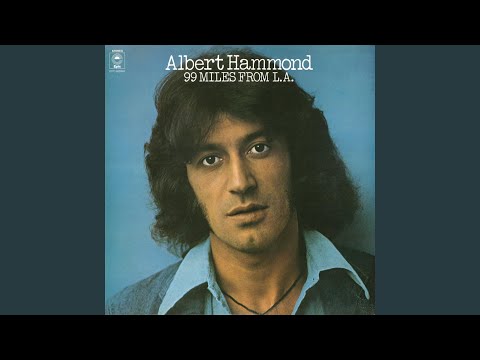
"The Free Electric Band" — Albert Hammond A Second Act in the California Sun Albert Hammond arrived at his moment of American chart success on an unusual tra…
01 The Story
"The Free Electric Band" — Albert Hammond
A Second Act in the California Sun
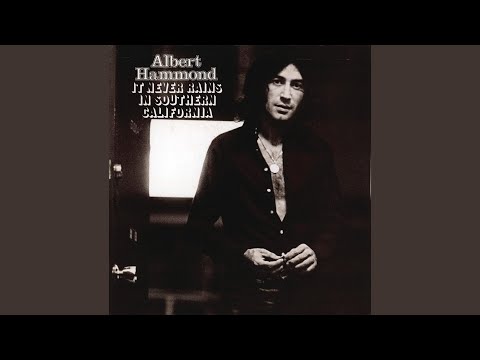
Albert Hammond arrived at his moment of American chart success on an unusual trajectory. Born in London to a British father and a Gibraltarian mother, raised partly in Gibraltar, he had spent time working in British pop before relocating to Los Angeles in the early 1970s where he found a creative environment that suited him. His 1972 hit "It Never Rains in Southern California" had introduced him to American audiences with a knowing, slightly ironic portrait of the dream that California sold to hopeful arrivals. By the spring of 1973, he was back on the charts with something quite different: a folk-inflected, gently satirical piece about communal living and youthful idealism called "The Free Electric Band."
The Song and the Era's Counterculture
The early 1970s represented a particular moment in the life of the American counterculture. The late 1960s idealism about communes, communal living, and the rejection of mainstream society had not disappeared but had matured, or in some cases calcified, into a more complicated relationship with reality. Young people who had abandoned conventional paths for alternative lifestyles were discovering both the genuine satisfactions and the practical difficulties of that choice. "The Free Electric Band" engaged this cultural moment with a light and affectionate touch, telling the story of a narrator whose romantic partner has left him to join a commune and play music with a communal group.
Albert Hammond co-wrote the song with Mike Hazlewood, a collaborator with whom he had worked extensively. The partnership between Hammond and Hazlewood was one of the more productive songwriter relationships of the early 1970s, generating material for numerous artists as well as for Hammond's own recordings.
Chart Journey Through the Spring of 1973
The single debuted on the Billboard Hot 100 on April 28, 1973, entering at number 100. Its climb through the chart was gradual and steady across the following weeks, moving through the 80s and 70s and into the 60s as spring turned to summer. The track reached its peak position of number 48 on June 23, 1973, spending 11 weeks on the chart in total. A top-50 hit represented genuine mainstream pop success, confirming that Hammond's audience extended well beyond the listeners who had found "It Never Rains in Southern California" the previous year.
The chart run demonstrated the appeal of the song's gentle satirical approach. It was not preachy in either direction, neither celebrating the counterculture uncritically nor dismissing it. That even-handedness allowed listeners from across the cultural divide of the early 1970s to enjoy it without feeling that they were being lectured.
The Production and Sound
The recording was produced with the acoustic-leaning sensibility that characterized much of the singer-songwriter material dominant in early 1970s pop. The arrangement left Hammond's voice and the guitar work at the center of the track, with production elements that supported rather than overwhelmed the storytelling quality of the lyric. The result was something warm, accessible, and well-suited to the AM radio environment in which it needed to perform.
Hammond's vocal style was conversational and warm rather than dramatically expressive, which matched the material's tone well. He was telling a story as much as singing a song, and the light delivery reinforced the gentle irony of the narrative.
Hammond's Songwriter Legacy
Hammond's legacy in the music industry is disproportionate to his profile as a recording artist. As a songwriter, he co-wrote material recorded by artists ranging from the Hollies to Celine Dion to Whitney Houston, with "One Moment in Time" and other major hits emerging from his pen. His work with Mike Hazlewood in particular produced a body of material that influenced the sound of 1970s pop considerably. "The Free Electric Band" stands as one of his more charming self-performed recordings, a snapshot of a gifted songwriter inhabiting his own material with relaxed authority.
If you want to hear what the early 1970s sounded like at its most warmly human, press play and let this one take you there.
"The Free Electric Band" — Albert Hammond's singular moment on the 1970s charts.
02 Song Meaning
"The Free Electric Band" — Meaning and Legacy
Gentle Irony and the Counterculture
Songs about the counterculture in the early 1970s generally fell into two camps: earnest celebrations of communal idealism, or sharp critiques of its naivety. "The Free Electric Band" did something more interesting than either, occupying a third position that combined affection with gentle irony, observing the commune lifestyle from close enough to see its appeal while remaining slightly amused by its more earnest manifestations. The song's narrator has lost his partner to a communal music group, and his response is a mix of genuine loss and wry recognition that the world he and his partner shared has given way to something new.
The Romance and Practicality of Alternative Living
The lyrical tension at the heart of the song sits between the genuine appeal of the communal alternative and the practical realities it involves. Living collectively, making music together, rejecting the conventional economic structures of mainstream American life: these ideas carried real romantic charge in 1973, particularly for the generation that had come of age during the late 1960s' optimism. The song's narrator recognizes that romance without dismissing it, even as he mourns what it has cost him personally.
This evenhandedness was culturally intelligent as well as artistically effective. By 1973 the counterculture was becoming a more internally diverse phenomenon, home to genuine idealists, to people who had found meaningful alternatives to mainstream life, and also to some who were discovering that the practical challenges of communal living were more demanding than the idea had suggested. Hammond's lyric found the human comedy in that moment without reducing it to caricature.
The Singer-Songwriter Tradition and Social Observation
The early 1970s singer-songwriter genre was characterized by a willingness to use personal narrative as a vehicle for social observation. Albert Hammond's approach on this track placed him within that tradition, using a specific relationship story to illuminate something more general about the cultural moment. The "free electric band" of the title served as a metaphor for the communal music ideal, the dream of making art outside commercial structures, which the narrator observes with both longing and bemusement.
The song's gentle tone prevented it from becoming a vehicle for cultural commentary in the heavier sense; it remained grounded in human feeling rather than ideological argument, which is likely one reason it connected with a broad popular audience.
Legacy in the Hammond Catalog
Within Albert Hammond's career as a recording artist, "The Free Electric Band" stands alongside "It Never Rains in Southern California" as one of the two tracks that best demonstrate his ability to build character and narrative within a pop song format. His songwriting legacy, extending well beyond his own recordings, has given him a permanent place in the history of popular music that transcends any single chart entry. But this particular recording captures something specific to its moment: the particular quality of thoughtful, warm, slightly ironic observation that made the early 1970s singer-songwriter tradition one of the richest periods in American popular song.
"The Free Electric Band" — Albert Hammond's singular moment on the 1970s charts.
→ More from Albert Hammond
View all Albert Hammond hits →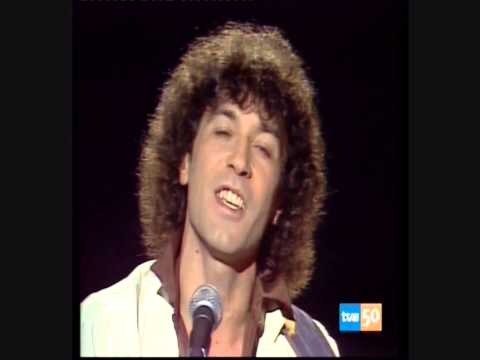
→ More from the 1970s File
View all 1970s hits →




Keep digging