The 1970s File Feature
Let's Get Married
Let's Get Married: Al Green, Willie Mitchell, and the Soul of 1974 Note: This entry concerns "Let's Get Married" by Al Green, released in 1974 on Hi Records,…
01 The Story
Let's Get Married: Al Green, Willie Mitchell, and the Soul of 1974
Note: This entry concerns "Let's Get Married" by Al Green, released in 1974 on Hi Records, and is entirely distinct from the Jagged Edge song of the same title released in 2000.
By 1974, Al Green had established himself as the dominant soul vocalist of his generation, a status he achieved through a remarkable run of recordings made at Hi Records in Memphis with producer and bandleader Willie Mitchell. The Hi Records sound that Mitchell had developed was singular: a warm, deliberate groove built on the playing of the Hi Rhythm Section, lush strings and horns arranged with sophisticated restraint, and at the center of it all, Green's voice, one of the most expressive instruments in the history of American popular music. "Let's Get Married" emerged from this creative partnership during its most productive and critically celebrated period, fitting seamlessly into the catalog of soul recordings that Green and Mitchell produced together in the early to mid-1970s.
The recording was made at Royal Studios in Memphis, the facility where Mitchell had shaped his distinctive production approach and where virtually all of the classic Hi Records output was created. The Hi Rhythm Section, anchored by the Hodges brothers (Leroy, Charles, and Mabon), drummer Howard Grimes (who alternated with Al Jackson Jr. of Booker T. and the MGs), and organist Charles Hodges, provided the rhythmic and harmonic foundation that made Hi Records' sound so immediately recognizable and so consistently effective. Their playing on "Let's Get Married" demonstrates the kind of precise yet organic groove that characterized the best Memphis soul recordings of the period.
Willie Mitchell's production philosophy was one of controlled atmosphere rather than sonic maximalism, and "Let's Get Married" reflects this approach. The arrangement is spacious, allowing Green's voice room to inhabit the emotional content of the material fully without being crowded by competing sonic elements. Mitchell understood that Green's voice was itself the production's most important element and structured everything around it accordingly. The strings that appear in the arrangement are deployed with the same taste and restraint that characterized Mitchell's work throughout his collaborations with Green, adding depth and texture without overwhelming the intimacy that was essential to the Hi Records aesthetic.
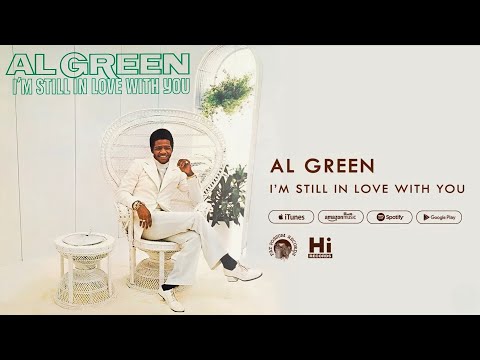
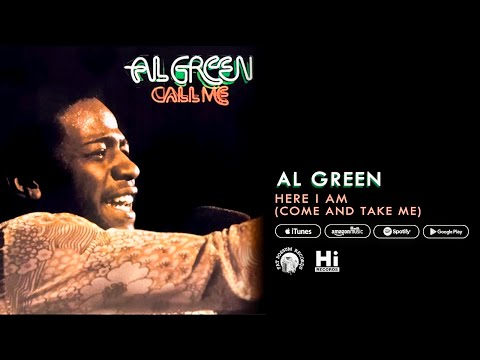
The song was released in 1974, during a period when Green's commercial and critical standing was at its absolute peak. His albums Let's Stay Together, I'm Still in Love with You, and Call Me had all achieved extraordinary commercial success, and his position as the pre-eminent soul artist of the early 1970s was uncontested. "Let's Get Married" charted strongly on both the Billboard Hot 100 and the R&B singles chart, consistent with the pattern established by his previous Hi Records releases, which had demonstrated that his audience extended beyond the core R&B market to include a broad pop audience that had embraced his work through radio and album sales.
The broader context of soul music in 1974 gives "Let's Get Married" additional significance. The early-to-mid 1970s were a golden period for the genre, with artists including Marvin Gaye, Stevie Wonder, Aretha Franklin, and Curtis Mayfield producing some of their most ambitious and celebrated work. Green's recordings for Hi Records represented a somewhat different aesthetic impulse from the socially engaged direction of Gaye's What's Going On or the conceptual ambitions of Wonder's Innervisions, focusing instead on a pure and direct emotional engagement with romantic and spiritual experience. This made Green's music simultaneously more traditional and more idiosyncratic, connected to deep roots in gospel and blues while also entirely unlike anything else being made at the time.
Green's personal and spiritual journey in the mid-1970s would lead him toward gospel music and eventually to the ministry, a transition that is hinted at in the sacred undertones present in even his secular recordings from this period. The sacred and the secular were never cleanly separated in Green's aesthetic imagination, and "Let's Get Married" carries within its romantic subject matter an emotional register that extends beyond the merely physical, suggesting that for Green, commitment between two people carried a weight and significance that connected to his broader spiritual sensibility. This blurring of boundaries between the sacred and the secular was one of the distinctive qualities of his Hi Records work and one of the factors that gave his recordings a depth and resonance that pure pop recordings of similar accessibility rarely achieved.
The legacy of "Let's Get Married" within the Al Green catalog is that of a characteristic expression from the most celebrated period of one of American music's most gifted artists. It demonstrates every quality that made Hi Records' output so admired: the production clarity, the rhythmic precision, the orchestral sophistication, and above all, the voice at the center, communicating with an emotional directness and beauty that remains moving decades after the recording was made.
02 Song Meaning
Sacred Bonds and Secular Soul: The Meaning of Al Green's "Let's Get Married"
Al Green's "Let's Get Married" occupies a specific emotional and thematic space within his catalog: it is a love song in the conventional sense, addressed to a romantic partner and expressing a desire for lasting, formalized commitment, but it carries beneath its romantic surface the sacred undertones that run through virtually all of Green's most significant work. For Green, the desire to commit permanently to another person was not separable from his broader spiritual orientation, and the language of devotion that the song employs resonates on multiple levels simultaneously, addressing both the beloved and, through her, something larger and more transcendent.
The song's central subject is the invitation to permanent romantic commitment, and its emotional register is one of ardent sincerity rather than casual declaration. Green's vocal approach on the recording communicates a depth of feeling that goes beyond the merely conventional romantic lyric, investing the song's subject matter with the kind of spiritual gravity that his gospel training had instilled in him. This is not a song about the excitement of new romance but about the desire for something enduring, a distinction that separates it from the more urgent romantic declarations that dominate the soul canon and gives it a more contemplative, almost prayerful quality.
The production environment that Willie Mitchell created around Green's voice reinforces these thematic qualities. The arrangement's warmth and spaciousness create an atmosphere conducive to the kind of emotional seriousness the song requires, surrounding the narrator's invitation with a sonic backdrop that feels generous and supportive rather than pressurized. The Hi Rhythm Section's playing provides forward movement without urgency, sustaining the song's emotional intensity while giving it room to breathe in ways that allow the listener to absorb its meaning rather than simply being swept along by its energy.
Within Green's personal narrative, "Let's Get Married" takes on additional resonance when considered alongside the spiritual journey he was undertaking during the mid-1970s. His eventual decision to leave secular music for the ministry reflected a long-developing sense that the sacred and the secular were in tension within his creative life, and songs like this one, where the language of romantic commitment bleeds into something approaching spiritual vow, document that tension in its most generative form. The desire for permanent commitment that the song articulates can be read simultaneously as romantic declaration, as expression of a spiritual longing for union with something greater than the individual self, and as a document of one of American music's most gifted artists at the moment when those two aspects of his identity were most productively combined. The result is a recording that transcends its immediate romantic occasion to become a statement about what human beings seek from one another at their most earnest and their most hopeful.
→ More from Al Green
View all Al Green hits →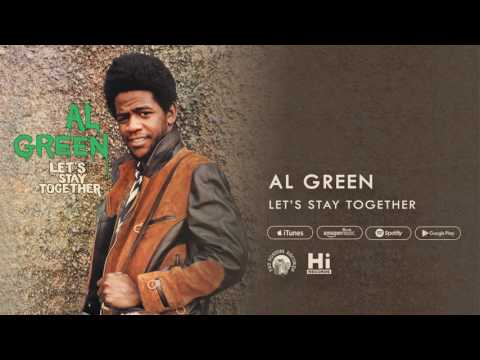
→ More from the 1970s File
View all 1970s hits →




Keep digging