The 1960s File Feature
Don't Fight It
Don't Fight It by Wilson Pickett Picture the electric heart of the mid-1960s soul explosion, when raw, gospel-fueled energy was reshaping American music and …
01 The Story
"Don't Fight It" by Wilson Pickett
Picture the electric heart of the mid-1960s soul explosion, when raw, gospel-fueled energy was reshaping American music and the studios of the South were producing some of the most thrilling records ever cut. At the center of that fire stood Wilson Pickett, a singer whose ferocious, impassioned delivery earned him the nickname the Wicked Pickett. "Don't Fight It" captured that explosive energy, a driving, horn-powered soul stomper that showcased one of the most commanding voices the genre ever produced.
The Wicked Pickett
By 1965, Wilson Pickett was emerging as one of soul music's most electrifying performers. His voice was a force of nature, raw and powerful, steeped in the gospel tradition yet unleashed with rock and roll intensity. He had begun recording for the legendary Atlantic label, working with the cream of Southern soul musicians, and the results were incendiary. Pickett recorded at the famed studios of the South, where house bands of extraordinary players gave his records their muscular, irresistible groove. His fierce, impassioned style set him apart, and he was quickly becoming one of the defining voices of the soul era. "Don't Fight It" arrived as part of that thrilling early run.
A Driving Soul Stomper
"Don't Fight It" is built on a hard-driving, horn-powered groove, the kind of muscular Southern soul that made dance floors explode. The arrangement is tight and propulsive, anchored by a punchy rhythm section and blazing horns, with Pickett's gritty, commanding vocal riding on top. The song was co-written by Pickett, a reflection of his contributions beyond just his singing. The whole thing radiates raw energy and physical excitement, an invitation to give in to the irresistible pull of the music. There is no subtlety here, just pure, electrifying soul power, the sound of a singer and a band locked into an unstoppable groove.
A Solid Chart Showing
The single performed respectably on the pop chart while connecting strongly with soul audiences. "Don't Fight It" debuted on the Billboard Hot 100 on November 6, 1965 at number 97, then climbed through the late autumn. It reached its peak of number 53 on December 18, 1965, and it spent ten weeks on the Hot 100. The song fared considerably better on the R&B chart, where Pickett's raw soul power found its most enthusiastic audience. Its chart presence helped build the momentum that would soon make him one of the biggest names in soul music, a string of classic hits just around the corner.
Part of a Soul Legacy
This single belongs to the thrilling early chapter of Wilson Pickett's celebrated career. He would go on to record some of the most iconic soul records of the 1960s, becoming a genuine legend of the genre. "Don't Fight It" captures the raw energy and commanding presence that made him so electrifying, an early showcase for the fierce soul power that defined his work. For fans of classic Southern soul, the song remains an exhilarating document of an artist at the start of an extraordinary run.
Why It Still Burns
Heard today, "Don't Fight It" still crackles with raw soul energy, Pickett's voice as commanding as ever. The groove drives, the horns blaze, the whole thing pulses with irresistible momentum. Press play and try to resist that explosive Southern soul; the title says it best, don't even try. There is a raw, untamed quality to Pickett's performance that no amount of studio polish could ever manufacture, the sound of a singer pouring every ounce of himself into the moment. That ferocious commitment is what made him a legend, the sense that he was holding nothing back and daring you to keep up. Decades on, the record still crackles with that same wild energy, undimmed by the passing years. It is mid-1960s soul at its most electrifying, a thrilling jolt of pure musical fire.
"Don't Fight It" — Wilson Pickett's singular moment on the 1960s charts.
02 Song Meaning
The Meaning Behind "Don't Fight It"
"Don't Fight It" is an exuberant invitation to surrender to the irresistible pull of music, rhythm, and feeling. The title says it all: stop resisting, give in, and let the groove take over. It is a song about the physical, almost involuntary power of great soul music, the way a driving beat can overwhelm your defenses and pull you onto the dance floor whether you planned to dance or not.
Surrender to the Groove
The central theme is the irresistible power of rhythm and feeling. The narrator urges the listener to stop resisting and simply give in to the music and the moment. The title is a direct command to surrender, to let the groove take control of your body. It celebrates the physical, almost hypnotic force of soul music, the way it can override hesitation and demand a response.
The Joy of Letting Go
The emotional message is one of liberation through music. Rather than holding back, the song invites pure, joyful release. The message is about embracing feeling and movement, casting off inhibition in favor of the ecstatic pleasure of the groove. That sense of joyful abandon is central to the song's energy and to the broader spirit of 1960s soul.
The Power of Soul
Culturally, the song embodies the explosive energy of mid-1960s Southern soul. This was music built on raw emotion, physical power, and gospel-derived intensity, designed to move both body and spirit. The song's invitation to surrender reflects the era's celebration of soul as a force capable of overwhelming the listener, a music that demanded full participation.
Why It Resonated
The song connected because its energy was simply irresistible. Pickett's commanding voice and the driving groove made surrender feel inevitable, the kind of record that filled dance floors and lifted spirits. Its message of giving in to the music tapped into the communal joy at the heart of soul. The song endures as an exhilarating invitation to let go, a reminder that sometimes the wisest thing you can do is stop fighting the groove and simply dance. There is something deeply human in that message, a recognition that music can reach past our defenses and connect us to a more immediate, joyful self. Pickett delivered that invitation with such force that resistance really did feel pointless, the groove simply too strong to deny. That irresistible quality, the sense of music as an unstoppable force, is what made the record endure and what keeps it filling dance floors to this day, a testament to the raw power of soul at its most uninhibited. The invitation it extends is as open today as it was in 1965, asking only that you stop resisting and let the joy of the music carry you away.
→ More from Wilson Pickett
View all Wilson Pickett hits →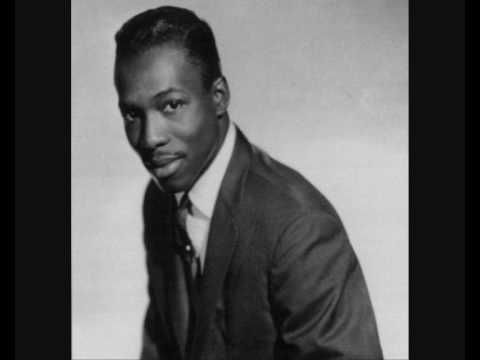

→ More from the 1960s File
View all 1960s hits →




Keep digging