The 1960s File Feature
Born To Be Wild
Born To Be Wild by Wilson Pickett Picture the late 1960s, when one of soul music's most powerful and electrifying voices took on a hard-rock anthem and made …
01 The Story
"Born To Be Wild" by Wilson Pickett
Picture the late 1960s, when one of soul music's most powerful and electrifying voices took on a hard-rock anthem and made it entirely his own. Wilson Pickett was a force of nature, a singer whose raw intensity had produced some of the defining soul records of the decade. This bold cover saw him bringing his fiery, gospel-rooted energy to a song already famous as a rock classic, transforming it through the sheer power of his unmistakable voice.
A Soul Powerhouse
Wilson Pickett was one of the great voices of 1960s soul, a singer of ferocious energy and emotional intensity. He had scored classic hits including "In the Midnight Hour" and "Land of 1000 Dances", records that defined the raw, driving sound of Southern soul. His powerful, gospel-trained voice made him one of the most electrifying performers of his era. This cover found him applying that intensity to a song from outside the soul tradition, a characteristic display of his fearless approach.
A Soulful Reimagining
The track is Pickett's interpretation of a song that had already become a rock anthem, originally a hit for Steppenwolf. Pickett transformed the rock classic through his fiery, gospel-rooted soul style, bringing a different kind of power to the familiar material. Where the original was hard-driving rock, Pickett's version pulses with soul energy and his unmistakable vocal fire. It reflected the era's spirit of cross-pollination, when soul and rock freely borrowed from one another.
A Run on the Hot 100
On the pop chart, the single made a respectable showing. It debuted on the Billboard Hot 100 at number 100 on May 10, 1969, then jumped sharply over the following weeks. It reached its peak of number 64 on May 31, 1969. The song spent four weeks on the Hot 100, a brief but solid run that showed Pickett's ability to put his stamp on material from beyond the soul world and reach a broad audience.
When Soul Met Rock
The late 1960s were a time of remarkable cross-pollination between musical genres, and this single sits right at one of those fertile intersections. The walls that had once separated soul and rock were breaking down, as artists on both sides borrowed freely from one another's sounds and songbooks. Soul performers covered rock anthems, rock bands drew on the raw power of soul, and the resulting exchange enriched both traditions. Pickett, with his ferocious, gospel-trained voice, was a natural fit for this kind of boundary-crossing. By taking a hard-rock anthem and reimagining it through the fire of Southern soul, he demonstrated how easily the energy of one genre could fuel another. The result is a fascinating hybrid, a rock classic transformed by the intensity of soul, and a vivid document of an era when musical boundaries were more porous than ever. It shows an artist confident enough to claim material from outside his tradition and make it entirely his own.
Part of a Towering Legacy
This single is one piece of one of soul music's most celebrated catalogs. Wilson Pickett was later inducted into the Rock and Roll Hall of Fame, recognition of his enormous influence on soul and popular music. His raw, powerful voice remains one of the defining sounds of the genre, and his fearless interpretations showed his range. This cover stands as a vivid example of how completely he could transform a song through the force of his delivery.
Give it a listen to hear a soul legend tear into a rock anthem and make it blaze with new fire. It is the sound of one of the greatest voices in all of popular music bending a familiar classic entirely and triumphantly to his own fierce will. The fire he brings to it is something to behold.
"Born To Be Wild" — Wilson Pickett's singular moment on the 1960s charts.
02 Song Meaning
The Meaning of "Born To Be Wild"
This is a song about freedom and untamed spirit, an anthem celebrating the urge to break loose and live without limits. The title captures that idea, the conviction that one is born for a life of freedom and adventure. In Wilson Pickett's hands, that anthem of liberation takes on new fire, channeled through the raw power of soul.
The Call of Freedom
The lyric celebrates a restless, untamed spirit, the desire to break free and chase adventure. The central theme is the longing for freedom and self-determination, the refusal to be bound by convention or limits. That call to live wild and free is the song's heart, an anthem for anyone who has felt the pull of the open road. It is a celebration of independence and untamed energy.
Soul Meets Rebellion
Pickett's interpretation brings a new dimension to the song's rebellious spirit. His gospel-rooted intensity gives the anthem a different kind of power, channeling its freedom through the fire of soul. That fusion of rock rebellion and soul energy gives the song fresh meaning, showing how the same message of liberation could be expressed through different musical traditions. The wildness takes on a deeper, more visceral charge.
Energy as Liberation
Much of the song's meaning lives in its sheer, explosive energy. The intensity of the performance embodies the freedom the lyric describes, turning the message into pure physical force. Pickett's powerful voice makes the call to be wild feel real and urgent, the music itself enacting the liberation it celebrates. The energy is the message.
Freedom for Everyone
By bringing this rock anthem into the world of soul, Pickett quietly broadened its meaning. His version suggests that the longing for freedom belongs to no single genre or community, but is a universal human desire. The call to break loose and live without limits resonates across every musical tradition, and Pickett's soulful reinvention proves it. The wildness the song celebrates is not the property of any one scene or sound; it is a feeling everyone can claim, expressed here through the fire and passion of soul music.
Why It Resonates
The song endures because its message of freedom is universal and eternally appealing. Nearly everyone has felt the longing to break loose and live without limits. That desire for freedom speaks across generations and genres, which is why the song has been embraced in so many forms. By channeling that anthem through the raw fire of soul, Pickett gave it vivid new life, proving once and for all that the call to be wild belongs to everyone, no matter the genre. That universal hunger for freedom is what keeps the song alive.
→ More from Wilson Pickett
View all Wilson Pickett hits →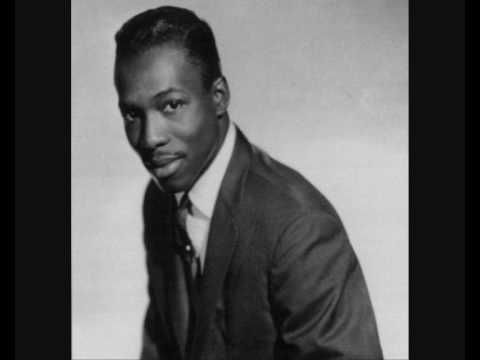

→ More from the 1960s File
View all 1960s hits →




Keep digging