The 1960s File Feature
A Man And A Half
The Story Behind Wilson Pickett's A Man And A Half The Wicked Pickett at Full Force By late 1968, Wilson Pickett had already cemented his reputation as one o…
01 The Story
The Story Behind Wilson Pickett's "A Man And A Half"
The Wicked Pickett at Full Force
By late 1968, Wilson Pickett had already cemented his reputation as one of soul music's most explosive vocalists, a shouter whose ferocious delivery had powered a string of hits recorded largely at Stax Studios in Memphis and later at Fame Studios in Muscle Shoals. This song arrived during a particularly fertile stretch of his career, when the raw, horn-driven sound he had helped define was still dominating soul radio even as the genre itself began absorbing new funk and psychedelic influences from around the country, forcing established stars like Pickett to keep proving they could still deliver on record.
Muscle Shoals Muscle Behind the Sound
The track carries the unmistakable fingerprints of the Muscle Shoals rhythm section, a tight, punchy horn arrangement paired with a driving backbeat that gave Pickett's ferocious vocal delivery exactly the kind of foundation it demanded. That combination of Southern studio musicianship and Pickett's own commanding presence had already produced several major hits, and this song continued that same formula, prioritizing raw energy and confident swagger over subtlety at every turn, letting the rhythm section do as much storytelling as the lyrics themselves.
A Title That Doubled as Self-Description
The song's title itself functions almost as a mission statement, a boastful declaration entirely in keeping with Pickett's larger-than-life stage persona and reputation as one of soul music's most commanding live performers. Where other singers of the era favored vulnerability or romantic pleading, Pickett built much of his catalog around unapologetic confidence, and this track slots comfortably into that broader pattern of self-assured, horn-blasted declarations that had already defined much of his commercial identity by this point in his career.
A Genuine Mid-Chart Success
The single debuted on the Billboard chart on November 16, 1968, entering at number 78. It held relatively steady over the following weeks, moving to 76, then 75, then 68, before a substantial jump to a peak position of number 42 during the week of December 14, 1968. Altogether, the song spent six weeks on the Hot 100, with that final sharp climb suggesting the record found real traction with radio programmers and listeners once it had time to properly circulate across stations nationwide.
Competing Against a Crowded Soul Landscape
Late 1968 was an intensely competitive period for soul and R&B on the pop charts, with Motown, Stax, and countless independent labels all fielding hits simultaneously. That the song still managed a solid jump into the low forties speaks to Pickett's enduring commercial pull even as newer sounds and younger artists increasingly crowded the same radio playlists he had once dominated more thoroughly during the mid-1960s peak of his career.
Part of a Remarkably Consistent Run
This chart placement fits comfortably within Pickett's broader pattern of reliable, if not always chart-topping, hits throughout the late 1960s. Rather than one or two isolated smashes, his catalog from this period reflects a steady stream of records that consistently found an audience, a testament to both his talent and the reliability of the Muscle Shoals production machine working alongside him session after session.
An Enduring Piece of Pickett's Catalog
Rediscovered decades later by collectors and soul enthusiasts digging deeper into Pickett's extensive discography, the song rewards that kind of patient exploration, offering a snapshot of a hitmaker still very much at the height of his powers even on tracks that never became his signature singles. It stands alongside dozens of similarly strong recordings from this stretch of his career that rarely receive the same attention as his best-known chart-toppers.
A Reminder of Southern Soul's Peak
Today, the song stands as a strong reminder of just how consistently powerful the Pickett and Muscle Shoals partnership could be, even on tracks that never became his most celebrated singles. It captures a period when Southern soul production had reached a level of confidence and polish that made even lesser-remembered singles feel vital. Press play and you can hear exactly why audiences kept coming back, a voice built for maximum impact matched with a rhythm section that never let up for a single bar.
"A Man And A Half" — Wilson Pickett's singular moment on the 1960s charts.
02 Song Meaning
What "A Man And A Half" by Wilson Pickett Is Really About
An Unapologetic Declaration of Self-Worth
At its core, this track is a boastful, high-energy declaration of confidence and masculine self-assurance, the sound of a performer entirely comfortable proclaiming his own worth without a hint of hesitation. Rather than exploring romantic vulnerability, the song plants its flag firmly in swagger, positioning its narrator as someone who exceeds ordinary expectations in every respect that matters, delivered with a directness that leaves little room for doubt.
Wilson Pickett's Persona Made Musical
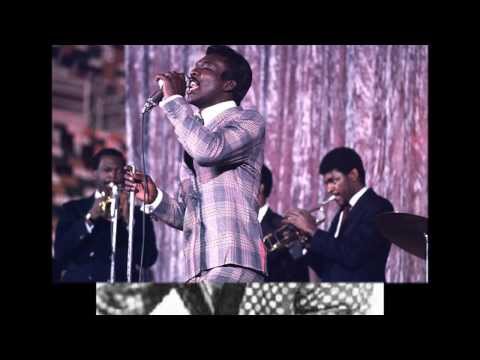
The song's braggadocio maps almost perfectly onto Wilson Pickett's own public reputation as an electrifying, commanding live performer nicknamed the Wicked Pickett for his ferocious energy on stage. Where the lyrical content leans into pure self-assurance, Pickett's vocal delivery sells every line with a conviction that makes the boasting feel earned rather than empty, a difference that separates genuinely charismatic soul performers from lesser imitators chasing the same swaggering formula without the vocal power to back it up.
Horns and Rhythm as Emotional Amplifiers
The Muscle Shoals horn section plays an essential role in selling the song's central conceit, punctuating Pickett's boasts with sharp, punchy stabs that function almost like exclamation points on every declarative line. That interplay between voice and horns gives the track a sense of theatrical showmanship, transforming what could have been simple lyrical bravado into a genuinely thrilling listening experience built on dynamic contrast between voice and instrumentation.
A Tradition of Soul Braggadocio
Confident, boastful anthems occupy a long and well-established tradition within soul and R&B, tracing back through decades of performers using swagger as both entertainment and a form of assertive self-presentation. This song fits comfortably within that lineage, using humor and larger-than-life confidence to create an entertaining, high-energy listening experience rather than aiming for emotional depth or vulnerability at every turn.
Performance Over Introspection
Unlike many soul ballads built around heartbreak or longing, this track prioritizes performance and spectacle above all else. That choice reflects Pickett's broader artistic instincts, a singer whose greatest strength was always live, visceral energy rather than quiet introspection, and the song plays directly to that strength from its opening horn blast onward through to its final shouted line.
Why the Swagger Still Resonates
Even decades removed from its original release, the song's unapologetic confidence retains real entertainment value, a reminder that not every great soul record needs to explore heartbreak to leave a lasting impression. Its enduring appeal lies in pure showmanship, an artist fully inhabiting a larger-than-life persona and daring listeners not to be swept along by the sheer force of it, chorus after chorus.
A Portrait of Confidence Without Apology
Listened to today, the track still functions as a small master class in how to sell pure confidence through vocal performance alone, a reminder that swagger, delivered with genuine conviction, remains one of soul music's most durable and reliable pleasures for listeners of any era.
→ More from Wilson Pickett
View all Wilson Pickett hits →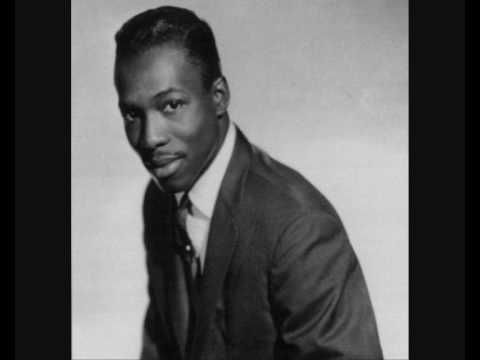

→ More from the 1960s File
View all 1960s hits →




Keep digging