The 1960s File Feature
Blue Moon
The Story Behind Blue Moon by The Ventures Instrumental Kings on the Rise In the fall of 1961, American teenagers were dancing to a new kind of pop instrumen…
01 The Story
The Story Behind "Blue Moon" by The Ventures
Instrumental Kings on the Rise
In the fall of 1961, American teenagers were dancing to a new kind of pop instrumental, one built not around a singer's voice but around the shimmer and twang of an electric guitar. The Ventures had emerged the previous year as pioneers of this sound, and by late 1961 they were riding the momentum of their breakout success into a string of follow-up singles designed to prove that lightning could strike more than once. Reworking a beloved pop standard was a savvy move, one that gave radio programmers and listeners something familiar to latch onto, filtered through the group's distinctive, reverb-drenched guitar attack and driving backbeat.
Reinventing a Standard for the Guitar Age
Originally a Rodgers and Hart composition from the 1930s, the song had already been recorded by dozens of artists across multiple decades by the time The Ventures got hold of it. Their version stripped away the lush orchestral sentimentality of earlier interpretations and replaced it with crisp, twangy guitar lines and a driving rock and roll rhythm section, transforming a wistful old standard into something built for the jukebox and the dance floor rather than the supper club. This kind of reinvention became something of a signature move for the group, who built much of their early catalog on reimagining pop and folk standards through an instrumental rock lens.
A Slow but Steady Chart Climb
The single debuted on the Billboard Hot 100 on October 23, 1961, entering at the bottom of the chart at number 100. It climbed gradually over the following weeks, moving to 77, then 62, holding steady before edging further upward, and ultimately reaching its peak position of number 54 on November 20, 1961. The song spent a total of six weeks on the chart, a modest but respectable run reflecting the group's growing but not yet dominant commercial footprint at that particular moment in their still-young recording career.
Part of a Genre-Defining Catalog
While this particular single did not become one of The Ventures' signature hits, it fit squarely within the larger instrumental rock movement the group helped popularize, a movement that would go on to influence surf rock, and eventually leave fingerprints on generations of guitarists who studied their clean, reverb-soaked technique closely. The group's ability to consistently place instrumentals on the pop charts, at a time when vocal-driven pop and early rock and roll dominated the airwaves, spoke to their unusual commercial staying power and the broad appeal of their sound to listeners of all ages.
Session Musicians Turned Pop Stars
What set The Ventures apart from many of their instrumental rock peers was the sheer musicianship on display, tight interplay between guitars, bass, and drums that made even a decades-old standard feel urgent and modern. That musicianship would carry them through an extraordinarily long career, one built on constant reinvention of both original material and beloved standards, a formula this single exemplifies perfectly in miniature.
A Guitar Landmark in Retrospect
Listening back today, the track stands as an early example of how thoroughly the electric guitar was reshaping American pop, years before it became rock's defining instrument in the hands of the British Invasion bands soon to follow. The Ventures would go on to sell tens of millions of records worldwide across their career, and songs like this one, however modest their individual chart peaks, formed the foundation of that enduring legacy. It remains a small but telling artifact of instrumental rock's golden age.
Drop the needle and hear how a jazz-age standard got a rock and roll makeover that still crackles with energy.
"Blue Moon" — The Ventures' singular moment on the 1960s charts.
An Enduring Catalog of Reinventions
Across their long career, The Ventures would return again and again to this formula of reworking familiar melodies through their guitar-driven lens, building an enormous discography that spanned pop standards, television themes, and original surf-inflected compositions. This early single stands as one of the clearest examples of that formula taking shape in real time, years before the band became a defining influence on generations of instrumental guitarists worldwide.
02 Song Meaning
What "Blue Moon" Is Really About
A Standard Reborn Without Words
The original song, written decades earlier, told a classic story of loneliness transformed into companionship, a narrator addressing the moon as a witness to solitary heartache before finding love at last. The Ventures' instrumental version strips away the lyrics entirely, which means the emotional narrative has to live entirely in the guitar tone, the phrasing, and the arrangement's dynamic shifts from moody restraint to upbeat, propulsive energy by the song's end.
Emotion Through Tone, Not Text
Without a vocalist to carry the story, the band leans on texture and tone to suggest the song's emotional arc. Reverb-laden guitar lines evoke the wistfulness of the original lyric even as the rhythm section pushes the tempo forward into something closer to dance music than torch song. This transformation says something about how instrumental rock functioned in the early sixties, it did not need words to communicate longing or release, it simply needed the right combination of tone, tempo, and space between the notes.
Nostalgia Repackaged for a New Generation
By choosing a song already decades old, The Ventures tapped into a familiar emotional touchstone for older listeners while making it fresh and danceable for teenagers discovering rock and roll for the first time. That bridge between generations, a standard their parents recognized reworked into something their kids wanted to dance to, was part of what made this style of instrumental rock so commercially viable throughout the early sixties on both coasts.
The Cultural Moment of Instrumental Rock
1961 sat at a fascinating hinge point in American pop, after the first wave of rock and roll had cooled but before the British Invasion reshaped everything again. Instrumental groups like The Ventures filled that gap by offering guitar-driven excitement without needing a singular vocal star, giving teenagers music that felt rebellious in its energy but unthreatening in its content, perfectly suited for family living rooms and sock hops alike.
Why the Reinterpretation Still Resonates
What ultimately makes this version compelling is its confidence in reinvention. Rather than treating the standard reverently, the group reimagined it as pure sonic pleasure, guitar tone and rhythm doing the emotional work lyrics once carried. That approach still resonates with listeners today who appreciate how a simple melody, given the right arrangement, can feel entirely new decades after its original composition first reached the public.
A Lesson in Reinterpretation
What the song ultimately demonstrates is how much emotional information a skilled instrumental group can convey without a single word being sung, relying entirely on phrasing, dynamics, and tone to carry a melody's original sentiment into an entirely new sonic language built for a younger generation of dancers.
→ More from The Ventures
View all The Ventures hits →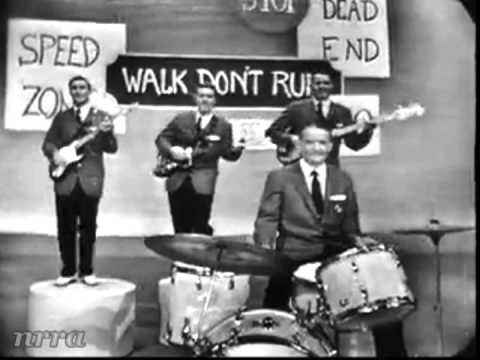



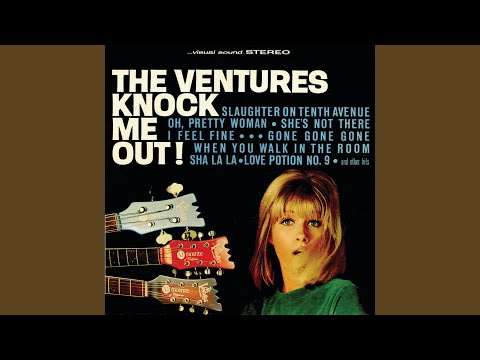
→ More from the 1960s File
View all 1960s hits →




Keep digging