The 1960s File Feature
It Ain't Me Babe
"It Ain't Me Babe" — The Turtles and the Folk-Rock Crossover Dylan on the Radio The summer of 1965 was the summer folk music went electric, both literally an…
01 The Story
"It Ain't Me Babe" — The Turtles and the Folk-Rock Crossover
Dylan on the Radio
The summer of 1965 was the summer folk music went electric, both literally and figuratively. Bob Dylan had released Bringing It All Back Home in March and was about to play an electric set at the Newport Folk Festival in July that would become one of popular music's most mythologized confrontations. His songs were circulating through the folk scene and beginning to reach pop radio through cover versions by artists who recognized that his writing had a commercial potential his own recordings were not always designed to exploit. Into this landscape stepped The Turtles, a Los Angeles group who had recently signed to White Whale Records and were looking for their first chart hit.
The Cover and the Original
Bob Dylan had recorded "It Ain't Me Babe" for his 1964 album Another Side of Bob Dylan. The song is a refusal: a narrator telling someone who wants a particular kind of devoted, self-sacrificing love that he is not the person who can provide it. The lyric is specific about what is being declined and honest about the narrator's limitations without being cruel. It is one of Dylan's cleaner constructions from that period, formally tight and emotionally precise.
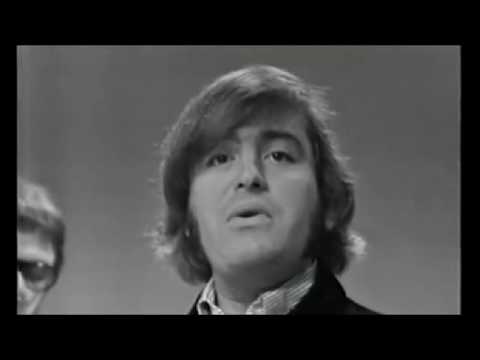
The Turtles' version transformed the material through arrangement and vocal presentation. Where Dylan's recording was spare and acoustic, The Turtles brought a fuller production with electric guitars, a more pronounced rhythm section, and vocal harmonies that softened the original's folk austerity. Lead vocalist Howard Kaylan and the group's harmonies gave the song a pop warmth that made it more immediately accessible for radio. The arrangement was produced to meet the stylistic expectations of the mid-1960s pop market without stripping the song of its lyrical substance.
The Chart Ascent
The single debuted on the Billboard Hot 100 on August 7, 1965, entering at number 76. Its climb was consistent and impressive: 53, then 32, then 21, then 12. The track peaked at number 8 on the Billboard Hot 100 during the week of September 18, 1965, completing an eleven-week run on the chart. Number 8 represented a genuine major-league chart position in 1965, when the Hot 100 was the primary measure of popular music success in the United States. Eleven weeks on the chart indicated sustained radio airplay and retail performance, not merely an initial burst.
For The Turtles, the success of the Dylan cover established them as commercially viable and set the stage for the group's subsequent career, which would include their signature hit "Happy Together" in 1967. The group proved willing to work across the boundary between the folk-influenced and the pop mainstream, which served them well during a period when that boundary was particularly permeable.
Folk-Rock and the Commercial Mainstream
The summer and autumn of 1965 produced several other significant folk-to-pop cover hits, with the Byrds having already taken Dylan's "Mr. Tambourine Man" to number 1 in June. The Turtles were part of a cohort of groups that recognized the commercial potential of Dylan's catalog and brought it to pop radio audiences who might not have encountered his studio recordings. This translation process was culturally significant because it moved the lyrical sophistication and moral seriousness of the folk movement into the mainstream commercial sphere, where it influenced the kinds of subjects that pop songs were permitted to address.
The Legacy
The track remains one of the more successful early Dylan cover versions and a document of the folk-rock synthesis that defined mid-1960s American pop at its most artistically ambitious. Press play and hear 1965's great permission to say no, set to an irresistible melody.
"It Ain't Me Babe" — The Turtles' singular moment on the 1960s charts.
02 Song Meaning
"It Ain't Me Babe" — The Turtles: Themes and Interpretation
The Honest Refusal
The emotional core of "It Ain't Me Babe" is a form of honesty that popular culture rarely celebrates: the clear-eyed recognition of one's own limitations and the willingness to communicate them directly rather than allow someone else to continue expecting more than can be delivered. The narrator does not say he does not care; he says he is not the person capable of providing the specific, devoted, self-abnegating love that is being sought. That distinction between unwillingness and incapability is the song's most sophisticated emotional move. It refuses the easy framing of simple rejection and insists on a more complicated truth about compatibility and the nature of different people's needs.
Dylan's Lyrical Method
Bob Dylan's writing in the 1963-1965 period developed a distinctive approach to emotional honesty in song. Rather than presenting the narrator as consistently heroic or sympathetic, his songs frequently cast the narrator in an unflattering or morally ambiguous role while maintaining the listener's engagement through the quality of the observation and the music. "It Ain't Me Babe" is a relatively gentle instance of this approach, a song where the narrator is honest rather than cruel and where the emotional weight falls equally on both parties. The person being addressed is not wrong to want what she wants; the narrator is simply not the right person to provide it.
The Folk Tradition of Spoken Truth
The American folk tradition from which Dylan emerged placed high value on songs that told hard truths plainly. Ballads about death, betrayal, and loss did not typically offer comfort or resolution; they reported the facts of human experience without editorial intervention. Dylan adapted that tradition to contemporary emotional subject matter, bringing the same unflinching honesty that older folk songs applied to death and disaster to the more everyday territory of romantic relationships. The Turtles' pop arrangement softened the folk austerity without changing the lyrical content, which meant that radio audiences received the substance of Dylan's message inside a more immediately palatable musical frame.
Permission and Its Cultural Moment
In 1965, the dominant language of mainstream pop love songs was affirmative and aspirational. Songs promised eternal devotion, celebrated the perfection of the beloved, and depicted love as an uncomplicated good. Dylan's writing, and the folk tradition behind it, introduced a counter-vocabulary: songs about the difficulty of relationships, the limits of what love can accomplish, and the complicated feelings that accompany both its presence and its absence. The commercial success of The Turtles' cover brought some of that counter-vocabulary into the mainstream, where it contributed to the gradual expansion of what pop songs were permitted to say.
The song has been covered by many artists over the decades, each version finding a slightly different angle on the same fundamental emotional truth: that honesty about limitation, though painful, is preferable to the false promise of something that cannot be sustained. That truth has not aged, which is why the song continues to be heard and recognized across different generations of listeners.
→ More from The Turtles
View all The Turtles hits →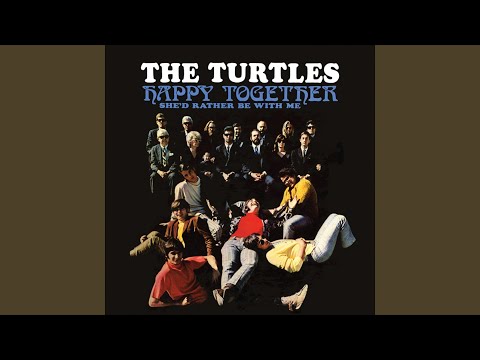
→ More from the 1960s File
View all 1960s hits →




Keep digging