The 1960s File Feature
Elenore
Elenore — The Turtles Spite and Inspiration Not many classic pop records were born from frustration with a record label, but "Elenore" by the Turtles is an h…
01 The Story
Elenore — The Turtles
Spite and Inspiration
Not many classic pop records were born from frustration with a record label, but "Elenore" by the Turtles is an honest exception. The story that has circulated around the song for decades, and that Howard Kaylan and Mark Volman of the group have confirmed in various recountings, is that the record was written quickly and with a certain deliberate irreverence after White Whale Records pressured the group to produce a follow-up to their number-one hit "Happy Together." The band felt creatively constrained by commercial expectations, and the result was a record that treated those expectations with cheerful impertinence while somehow becoming a hit anyway.
The Turtles occupied a curious position in late-1960s pop. They were a Los Angeles group with genuine musical ambitions, comfortable moving between sunshine pop, psychedelia, and classic rock, but they were also commercially oriented enough to have scored major chart successes that kept them visible on Top 40 radio. By mid-1968, following the enormous success of "Happy Together," they were under pressure to repeat that commercial formula.
A Quick Write with Lasting Results
"Elenore" was written by Howard Kaylan, and its playful, almost nonsensical lyrics were partly a product of the rushed circumstances of its creation. The song is built around a bright, energetic guitar riff and the kind of melodic hook that lodges immediately in memory. The production is punchy and forward-moving, with a drum sound and guitar mix that suited the AM radio frequencies of the era perfectly. White Whale Records, the independent label that released the Turtles' work, had the infrastructure to push it to national attention.
The lyrics play with the name "Elenore" in ways that lean into wordplay and affectionate teasing rather than conventional romantic sentiment. The song does not take itself seriously, which paradoxically makes it more enjoyable than a more earnest effort might have been. The Turtles had enough pop instinct to understand that irreverence, when executed with a good melody, is its own form of charm.
A Fast Rise to the Top Ten
The single debuted on the Billboard Hot 100 on September 21, 1968, at position 97, near the very bottom of the chart. Its ascent was remarkably rapid for a record starting from that position. Within a month it had moved through the 50s and 40s, and it peaked at number 6 on the Hot 100 during the week of November 2, 1968, spending a total of 12 weeks on the chart. A top-ten single on a chart as competitive as the Hot 100 in late 1968 was a genuine commercial achievement by any standard, regardless of the circumstances of the song's creation.
The chart success was particularly satisfying given the somewhat defiant context of the recording. The Turtles had produced a hit single under pressure and apparently against their better judgment, only to discover that the song they had dashed off was genuinely beloved by radio audiences. That is the kind of irony that pop music regularly produces.
Late-1968 Radio
The fall of 1968 was one of the most turbulent periods in American history. The Democratic National Convention had ended in chaos and street violence. The presidential campaign between Richard Nixon and Hubert Humphrey was generating enormous anxiety. Against that backdrop, a joyful, slightly goofy pop record with a catchy riff and a playful vocal delivery provided the kind of uncomplicated pleasure that audiences found genuinely useful. Pop music has always served a social function in times of stress, and "Elenore" served it well. The Turtles were not making political statements; they were making people feel better, which is a legitimate and underappreciated public service.
The Turtles' Place in History
The group disbanded in 1970, and Kaylan and Volman went on to join Frank Zappa's Mothers of Invention, then later formed their own projects. The Turtles' catalog has been revisited repeatedly over the decades, partly through the long-running legal battles over royalties and digital streaming rights, but also through genuine critical reassessment of their work as a smart, melodically gifted pop group. "Elenore" remains among the most immediately likeable things they recorded. Give it two minutes and you will understand why audiences in 1968 reached for it.
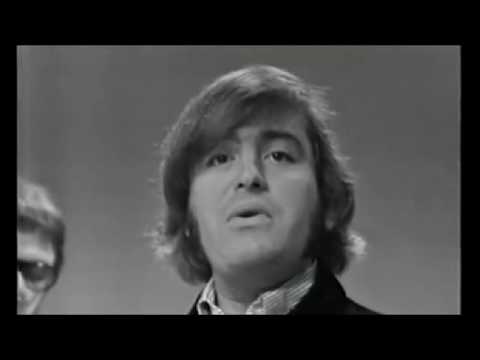
"Elenore" — The Turtles' singular moment on the 1960s charts.
02 Song Meaning
Elenore — Meaning, Themes, and Legacy
Playfulness as a Statement
The most interesting thing about "Elenore" as a piece of songwriting is how thoroughly it refuses to be serious. In a pop landscape that was increasingly weighted with artistic pretension, psychedelic experimentation, and political messaging, the Turtles produced a song that was essentially a piece of cheerful nonsense dressed in a superb hook. The playfulness of the lyric is not accidental or a product of carelessness; it is the entire point. Howard Kaylan's rapid-fire composition produced something that communicated pure, uncomplicated pleasure, which was exactly what radio audiences wanted from a two-and-a-half-minute pop single.
There is a tradition in popular music for songs that celebrate the act of naming a person as a form of affection. From Chuck Berry onward, the pop world has been full of songs where a proper name in the title carries a kind of magic, promising the listener that they are about to enter the private world of the named person. "Elenore" participates in that tradition while also gently spoofing it, the lyric teasing the named figure in ways that feel more like playground banter than romantic declaration.
The Irony Engine
The story behind the song's creation adds a layer of irony that has made it more interesting to critics and music historians than it might otherwise be. A song written partly in frustration with commercial pressure, tossed off quickly as a way of meeting a contractual obligation, became a top-ten hit. That outcome challenges any simple model of how artistic quality and commercial success relate to each other. The Turtles' most deliberate and carefully considered recordings did not necessarily outperform their most spontaneous and least labored ones.
This pattern appears throughout pop history, and "Elenore" is one of its cleaner examples. The lesson, if there is one, might be that audiences respond to a certain quality of lightness and energy that careful revision can sometimes remove. A song written without the weight of expectation can carry that freedom in its sound.
AM Radio and the Art of the Hook
Late 1960s AM radio was a specific sonic environment with specific requirements. Records needed to cut through quickly, establish their identity within the first few seconds, and deliver a melodic payoff that rewarded repeated listening during the course of a single day. The Turtles were expert at producing recordings that met all of these requirements, and "Elenore" is a textbook example of how they approached the form. The guitar riff that opens the record, the momentum of the verse, and the release of the chorus all work together with an efficiency that only looks effortless.
That craftsmanship is often undervalued in discussions of 1960s pop because it does not announce itself with the same fanfare as more ambitious productions. The Turtles were not trying to make art; they were trying to make something people would enjoy, and they succeeded so completely that the distinction became irrelevant.
Legacy and the Sunshine Pop Tradition
The Turtles occupy a specific and honorable place in the history of Los Angeles pop. They were part of a generation of groups, alongside the Association, the 5th Dimension, and Harper's Bizarre, who brought a distinctly West Coast brightness to pop song in the mid and late 1960s. "Elenore" exemplifies the sunshine pop tradition at its most concentrated: fast, melodically generous, emotionally uncomplicated, and built to make you feel that the world is slightly better than you thought a moment ago. That is a modest artistic goal, but achieving it consistently requires real skill, and the Turtles had it in abundance.
→ More from The Turtles
View all The Turtles hits →
→ More from the 1960s File
View all 1960s hits →




Keep digging