The 1960s File Feature
Love Is Like An Itching In My Heart
"Love Is Like An Itching In My Heart" — The Supremes and Motown's Restless Energy The Golden Period in Full Flight Spring 1966 was extraordinary for Motown R…
01 The Story
"Love Is Like An Itching In My Heart" — The Supremes and Motown's Restless Energy
The Golden Period in Full Flight
Spring 1966 was extraordinary for Motown Records. The label had been operating at a level of commercial dominance that no single American company had achieved before in popular music, with multiple acts charting simultaneously and a production operation in Detroit that seemed capable of generating hit after hit with almost mechanical regularity. The Supremes stood at the absolute center of this success. Diana Ross, Mary Wilson, and Florence Ballard had scored five consecutive number one singles between 1964 and 1965, a run that put them in conversation with the Beatles as the most commercially successful recording act in the world. What came after those number ones was the question that both the group and the label were negotiating in early 1966.
"Love Is Like an Itching in My Heart" represented a deliberate shift in the group's register. After the sophisticated emotional complexity of their earlier ballads and mid-tempo hits, this was something more emphatic and rhythmically forceful, a track designed to showcase a different dimension of the group's range while maintaining the production values that had made them such dominant figures on the radio landscape.
Holland-Dozier-Holland at Work
The songwriting and production team of Brian Holland, Lamont Dozier, and Eddie Holland were responsible for an almost inconceivable proportion of Motown's greatest recordings in the mid-1960s. Their work with the Supremes in particular had defined the group's sound and generated the run of number ones that established the group's international reputation. "Love Is Like an Itching in My Heart" came from the same partnership, and it reflects the team's ability to work across a range of emotional and rhythmic approaches while maintaining a consistent standard of craft.
The track features the kind of driving rhythm section work and horn arrangement that were Motown's signature in this period, courtesy of the legendary studio musicians known collectively as the Funk Brothers, though no individual credits were provided to them on contemporary releases. The production is tighter and more urgent than some of the group's most famous ballads, reflecting the decision to push harder rhythmically.
A Top Ten Entry
Debuting on the Billboard Hot 100 on April 30, 1966, at number 62, the song moved with unusual speed through the chart in the following weeks, jumping to 26, then 15, then 10, before reaching its peak. The track hit number 9 on May 28, 1966, spending eight weeks on the Hot 100 in total. A top ten entry, particularly one that climbed as quickly and cleanly as this one did, represented genuine pop success for any artist in the spring of 1966.
The context matters here. The spring of 1966 was one of the most competitive periods in American pop history, with the Beatles at their experimental peak, the Beach Boys preparing Pet Sounds, and Motown itself releasing records from multiple artists simultaneously. Charting at number 9 in this environment was a real achievement, not a participation trophy.
Diana Ross and the Vocal Approach
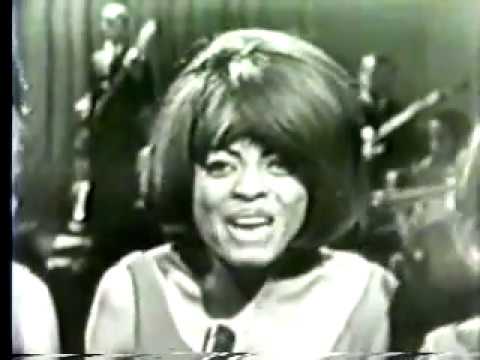
Diana Ross's vocal performance on "Love Is Like an Itching in My Heart" captures her at a specific point in her development as a lead singer. Her voice is already recognizable, that particular combination of girlish directness and controlled emotive power, but this track pushed her into a more urgent register than many of the group's most famous recordings had demanded. The nervous energy in the lyric, the sense of a feeling that will not be contained, required a performance style that matched the production's restlessness.
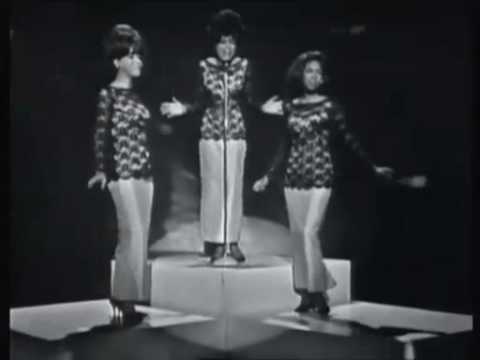
Ross delivered exactly that, and the background vocals from Wilson and Ballard gave the track the harmonic foundation that the group's recordings always depended on. The Supremes were not a vehicle for one singer backed by two others; they were a genuine vocal ensemble, and "Love Is Like an Itching in My Heart" benefits from the full participation of all three voices.
Place in the Catalog
This period of the Supremes' career produced some of their most experimental and varied work, as Holland-Dozier-Holland explored what the group could do beyond the formula that had generated the number ones. "Love Is Like an Itching in My Heart" is part of this exploratory phase, a record that tried something slightly different and still charted in the top ten. It stands as evidence that the group's commercial power rested on genuine versatility rather than a narrow formula that would eventually wear out its welcome.
Put it on and hear three of the greatest voices in pop music history at their most electrically alive, driven by one of the greatest production teams in the genre's history. The energy is irresistible.
"Love Is Like An Itching In My Heart" — The Supremes' singular moment on the 1960s charts.
02 Song Meaning
The Meaning of "Love Is Like An Itching In My Heart" — Desire as Sensation
The Body Knows What the Mind Won't Admit
Love songs tend to operate in the language of the heart, the mind, and the soul. "Love Is Like an Itching in My Heart" is more specific, more physical, and in its way more honest. The central metaphor locates romantic desire not in abstract emotion but in bodily sensation, the particular madness of an itch that cannot be satisfied. This is clever writing, because it captures something genuinely true about the experience of unresolved longing. The feeling is persistent, distracting, impossible to ignore, and relief is never quite achievable through the approaches that first seem promising.
Holland-Dozier-Holland were brilliant at finding everyday language for extreme emotional states, making the complex accessible without simplifying it. The itch metaphor does exactly this: anyone who has ever longed for someone recognizes the sensation immediately, even if they would never have chosen that particular word to describe it. The song names something that was already there in the listener's experience, waiting for a name.
Female Desire and the Motown Frame
Songs expressing female desire were complicated cultural objects in the mid-1960s. The same period that was beginning to question traditional gender roles in other areas of American life still expected popular music aimed at female audiences to present desire in particular, constrained ways. Motown navigated this tension with characteristic shrewdness, producing music that could be heard by conservative listeners as appropriately modest while also speaking directly to the actual experience of desire that its young female audience was living.
"Love Is Like an Itching in My Heart" sits in this productive ambiguity. The metaphor is innocent enough to pass any censor while being specific enough to resonate with anyone who has experienced the consuming quality of romantic longing. The Supremes' performance walks the same line, urgent enough to feel genuine but controlled enough to maintain the poise that the group's image required. This was the art of Motown at its most sophisticated.
The Rhythm Section as Emotional Amplifier
The itching quality of the lyric is not just stated but enacted in the production. The driving rhythm of the track, the relentless forward motion of the arrangement, creates a musical equivalent of the sensation the lyrics describe. There is no rest in the arrangement, no comfortable settling point, because the song is about a feeling that will not let the singer settle. The production and the lyric work together to create a unified emotional experience.
The Funk Brothers' contribution to this effect was essential, even though they received no credit on contemporary releases. The rhythmic insistence of the track, the particular way the drums and bass drive the arrangement forward without allowing it to breathe too comfortably, is a specific musical choice that serves the song's emotional argument. Great production is invisible to casual listening but utterly essential to how the music works.
Why the Metaphor Endures
The itching metaphor works across time because the sensation it describes is universal. People in every era recognize the experience of wanting something they cannot have, of a desire that persists despite the absence of its object, that resurfaces at inconvenient moments and resists suppression. The specific cultural context of 1966 shapes how the song was received and what it meant to its original audience, but the underlying emotional territory is not period-specific.
This universality is partly why Motown's best recordings have remained vital decades after their original release. They were addressing permanent aspects of human experience through carefully crafted music, and the craft has preserved the emotion. "Love Is Like an Itching in My Heart" expresses something true about desire, something that listeners across six decades have found resonant, and that connection to genuine emotional experience is the source of its lasting appeal.
→ More from The Supremes
View all The Supremes hits →

→ More from the 1960s File
View all 1960s hits →




Keep digging