The 1960s File Feature
Someday Man
The Monkees Embrace Sophistication on Someday Man By 1969, the Monkees were a band in transition, far removed from the height of their television-fueled fame…
01 The Story
The Monkees Embrace Sophistication on "Someday Man"
By 1969, the Monkees were a band in transition, far removed from the height of their television-fueled fame. The group that had once dominated the charts and the small screen was now navigating a changed landscape, asserting more creative control even as their commercial peak receded. "Someday Man" arrived in the spring of 1969, a sophisticated, melodic single that showcased a more mature pop sensibility, a sign of the band's evolution beyond their bubblegum origins.
A Band Beyond the Television Phenomenon
The Monkees came to this song in the later phase of their remarkable story. Originally assembled for a hit television show, the group had become a genuine pop sensation, scoring a string of major hits before fighting for greater artistic independence. By 1969 the television show had ended and their commercial dominance had faded, but the band continued to record, exploring more sophisticated and varied material. "Someday Man" reflected that evolution, a polished pop song that drew on the talents of skilled songwriters and demonstrated the group's growth beyond their manufactured beginnings.
The Sound of Sophisticated Pop
Musically the song lives in a world of melodic, sophisticated pop. The arrangement is lush and tuneful, built around a graceful melody and polished production that reflected the band's more mature ambitions. There is an elegance to the recording, a step beyond the catchy simplicity of their earliest hits. The song drew on the work of accomplished songwriters, lending it a refined quality. It captures the Monkees reaching for something more substantial, the sound of a band determined to be taken seriously as a musical act rather than merely a television creation.
A Brief Run on the Hot 100
The chart performance reflected the band's diminished commercial standing by this point. "Someday Man" debuted on the Billboard Hot 100 dated May 10, 1969, at number 85. It rose the following week, peaking at number 81 on the chart dated May 17, 1969. The single spent just two weeks on the Hot 100 before falling away. The modest showing reflected how far the band's commercial fortunes had declined from their mid-sixties peak, when they had dominated the charts. The sophisticated material, while artistically accomplished, did not recapture their earlier mass appeal.
A Mature Chapter in Their Story
Within the Monkees' eventful career, "Someday Man" stands as an example of their artistic growth. The band's story, from television creation to a genuine pop act fighting for creative control, remains a fascinating chapter in 1960s music history. The song captures their reach toward greater sophistication and maturity. For fans of the Monkees and of late-sixties pop, it offers a glimpse of a band evolving beyond its origins, a polished and tuneful example of their determination to grow as artists despite their fading commercial fortunes.
The Struggle for Artistic Legitimacy
The Monkees' fight to be taken seriously as musicians is one of the more compelling stories in pop history. Created for television and initially backed by professional session players and songwriters, the band faced persistent skepticism about their authenticity as a musical act. Over time they pushed for greater creative control, insisting on playing their own instruments and shaping their own material. That struggle for legitimacy defined the later phase of their career, even as their commercial momentum slipped away. "Someday Man" belongs to that period of assertion, a sophisticated single that reflected their genuine musical ambitions rather than the manufactured formula of their earliest hits.
A Changed Pop Landscape
By 1969, the pop world had transformed dramatically from the one that had made the Monkees a sensation just a few years earlier. The bubblegum cheer of the mid-sixties had given way to more serious, experimental, and introspective music, and the cultural moment that had embraced the band had largely passed. Competing in this changed environment was difficult, and the modest performance of "Someday Man" reflected that shift. Yet the song's sophistication showed a band trying to keep pace with the evolving times, reaching for the kind of mature pop that the late-sixties audience increasingly demanded, even if commercial success no longer came easily.
Press play and hear the band's mature side; this is the Monkees reaching for sophistication beyond their pop origins.
"Someday Man" — The Monkees's singular moment on the 1960s charts.
02 Song Meaning
The Hopeful Self-Reflection of "Someday Man"
"Someday Man" is a song of hopeful self-reflection, about a person looking toward a better version of themselves still to come. The title captures that forward-looking spirit, the idea of a self that will be realized someday. Wrapped in sophisticated pop, it is a thoughtful meditation on aspiration, potential, and the gap between who we are and who we hope to become.
Looking Toward the Future
The central theme is aspiration and self-improvement. The lyrics suggest a person aware of their unrealized potential, hopeful about the better self they may one day become. There is an optimism to that sentiment, mixed with a touch of wistfulness about the present. The song paraphrases the universal experience of imagining a future self, the hope that one will eventually grow into the person they aspire to be. It is reflection tinged with hope.
Wistful Optimism
Emotionally, the song trades in thoughtful, hopeful reflection. The melodic, sophisticated arrangement lends the aspiration a gentle, reflective quality, neither despairing nor naively cheerful. There is a mature wistfulness to the mood, the feeling of someone honestly contemplating their own growth. That reflective quality matched the band's more sophisticated ambitions, a step beyond the simple cheer of their earliest hits. The optimism feels earned and considered rather than empty.
A Song of Pop's Maturing Moment
The cultural context places the song within pop's growing sophistication. By the late 1960s, pop music was increasingly exploring introspective and thoughtful themes, moving beyond simple romance toward greater emotional depth. This song fit that shift, offering reflection and aspiration rather than straightforward fun. It reflected a broader cultural moment when popular music was maturing, embracing more complex ideas about identity and personal growth. The Monkees' reach toward sophistication mirrored that wider evolution.
Why It Resonated
The song connected with listeners who appreciated its thoughtful optimism. Audiences related to the hopeful contemplation of a better future self, a feeling many people carry. Everyone has imagined the person they might someday become, the potential still waiting to be realized. By voicing that aspiration with melodic grace, the song offered listeners a gentle, hopeful reflection on growth and possibility, an appealing meditation on becoming.
A Lasting Hope
What endures is the song's hopeful, reflective spirit. It does not promise easy transformation; it simply voices the optimistic belief in a better self still to come. The meaning is rooted in the timeless human capacity for aspiration, the hope that we will grow into our potential. Carried by the Monkees' sophisticated pop, the song remains a thoughtful meditation on becoming, gentle and quietly hopeful. There is something universally moving about the belief that our best selves still lie ahead, and the song honors that hope without pretending the journey there is simple or guaranteed.
→ More from The Monkees
View all The Monkees hits →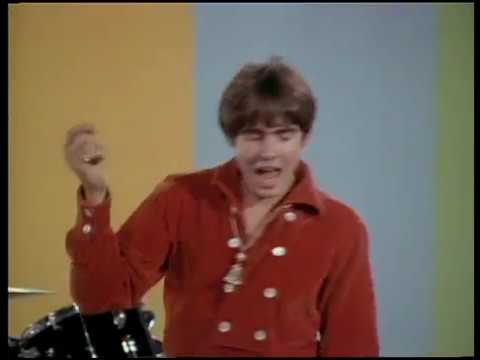


→ More from the 1960s File
View all 1960s hits →




Keep digging