The 1960s File Feature
When You're Young And In Love
When You're Young And In Love by The Marvelettes: Motown's Spring Chart Hit, 1967 Spring 1967 at Motown Records was a season of extraordinary creative and co…
01 The Story
When You're Young And In Love by The Marvelettes: Motown's Spring Chart Hit, 1967
Spring 1967 at Motown Records was a season of extraordinary creative and commercial productivity. The label's multiple artists were generating hits with remarkable consistency, and the production teams working out of the Hitsville USA studios in Detroit were at the peak of their craft. Into this environment came When You're Young And In Love by The Marvelettes, a record that climbed steadily from its late April debut to a peak in the top 25, demonstrating once again that the group's particular vocal chemistry and Motown's production philosophy were capable of generating genuine commercial results.
The Marvelettes and Motown's Female Voice
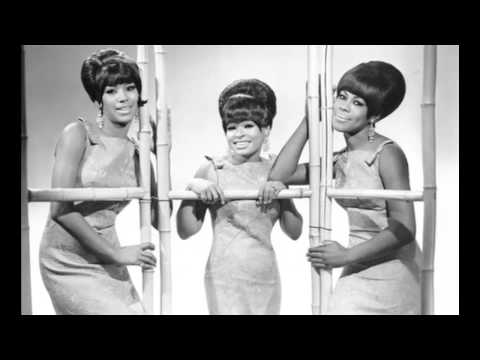
The Marvelettes had been one of Motown's earliest success stories, their debut single having demonstrated the commercial potential of the label's approach to female vocal groups in the early 1960s. By 1967, the group had settled into a configuration that centered on Wanda Young's lead vocals, her delivery combining warmth and energy in ways that gave the group's recordings their characteristic character. The Marvelettes occupied a particular position within Motown's female group roster: less polished in their presentation than some labelmates, their recordings carried an earthiness and enthusiasm that connected directly to the Detroit rhythm and blues tradition from which Motown had emerged.
The songwriting and production teams at Motown worked with multiple groups simultaneously, and the material given to The Marvelettes was typically chosen to complement their specific vocal strengths. When You're Young And In Love was well-suited to the group's approach: upbeat, melodically memorable, and emotionally direct in a way that their singing could bring to full life.
Chart Climb Through Spring 1967
When You're Young And In Love entered the Billboard Hot 100 on April 22, 1967, debuting at position 86. Over the following weeks it climbed steadily through 71, 59, 49, 39, and continued upward before peaking at number 23 during the week of June 3, 1967. The ten-week chart run represented solid commercial performance for a Motown single in one of the label's most productive years, and a peak of 23 placed the record comfortably within the upper tier of the Hot 100.
Spring 1967 was a crowded moment on the charts, with Motown itself generating multiple competing hits from different artists simultaneously. That When You're Young And In Love climbed to 23 within this competitive environment confirms that it was finding genuine audience traction and not merely benefiting from the label's general promotional efforts.
The Motown Production Philosophy
The production of When You're Young And In Love reflects the Motown approach that had proven commercially effective across multiple artists and genres: tight rhythm tracks, carefully arranged string and horn sections that added emotional color without overwhelming the vocal, and a production philosophy that treated every element of the recording as a tool in service of the song's commercial and emotional objectives. The Motown house musicians, among the most skilled session players in American popular music of the era, provided the rhythmic foundation that gave the recording its dance-floor viability and radio accessibility simultaneously.
The Marvelettes' Legacy at Motown
The Marvelettes contributed significantly to the development of what Motown became as a musical and commercial enterprise. Their early success helped establish the label's credibility and commercial viability at a moment when those qualities were still being built, and their subsequent releases demonstrated the durability of the formula the label had developed. When You're Young And In Love stands as a representative late entry in their commercial peak, a record that shows the Motown formula operating with characteristic effectiveness while carrying the specific vocal personality that made The Marvelettes distinctive within the label's extraordinary roster.
The Marvelettes' place in Motown history has sometimes been overshadowed by the label's more celebrated female acts from the same period, but their contribution to the label's commercial and artistic development was genuine and substantial. When You're Young And In Love is a representative example of their work at its most effective: a well-crafted song, delivered with enthusiasm and skill, supported by production that meets the material exactly where it needs to be met. The ten-week chart run and top-25 peak confirm that their audience remained engaged and loyal through the latter half of the 1960s.
Press play and let the spring of 1967 flow through your speakers, complete with everything that made that season of Motown music so permanently irresistible.
When You're Young And In Love — The Marvelettes' singular moment on the 1960s charts.
02 Song Meaning
The Meaning Behind When You're Young And In Love: Youth, Romance, and Motown's Emotional Formula
The title of When You're Young And In Love identifies its subject with the precision of a diagnostic: it is not about love in general but about a specific form of love, the form that belongs to a specific period of life and that carries particular qualities that distinguish it from love experienced later. The Marvelettes' recording of this material brings Motown's considerable emotional intelligence to bear on a subject that connected directly with the young audience the label primarily served, and the results illuminate both the specificity of the emotional territory and the skill with which Motown's production philosophy addressed it.
Youth as Emotional Category
The premise of the song, that being young and in love is a distinct and recognizable experience with qualities that set it apart from other forms of romantic feeling, is psychologically accurate and emotionally resonant. Young love tends toward intensity and absolutism in ways that experience often moderates; it is less guarded, more vulnerable, more willing to expose itself fully without the self-protective hesitations that accumulated disappointments can produce. The Marvelettes' performance captures this quality with a vocal energy that matches the lyrical content, delivering the material with the kind of enthusiasm that does not manage itself or hold anything back.
For the young audience that Motown primarily served in 1967, this reflection of their emotional experience was enormously validating. Popular music that accurately identifies and celebrates what you are going through functions as a form of recognition, a signal from the wider culture that your experience is real and worth singing about.
Motown's Youth Marketing
Motown Records understood its audience with remarkable clarity, and the material it produced for its artists consistently reflected that understanding. Young love was one of the label's central subjects precisely because it was the central emotional preoccupation of the teenagers and young adults who bought its records. The songs did not talk down to this audience or sentimentalize their experience from an adult perspective; they inhabited the emotional terrain directly, from inside the experience rather than looking at it from outside.
This commitment to emotional authenticity within a polished commercial framework was one of Motown's most significant achievements. The label managed to be both commercially sophisticated and emotionally genuine, a combination that is harder to sustain than either quality alone.
The Social Context of 1967
Spring 1967 in America was a moment of rapid social change, and the experience of young love was being understood and expressed within that changing context. The counterculture was redefining what relationships and love could mean; civil rights activism was transforming who could love whom publicly without social sanction; the sexual revolution was beginning to change the terms on which physical intimacy was discussed and understood.
Against this backdrop, When You're Young And In Love offered a version of romantic experience that was simultaneously contemporary and connected to the longer tradition of pop's love songs. The Marvelettes were Black women from Detroit singing about romantic love in 1967, and their commercial success with this material was itself a form of cultural statement, a demonstration that their experience and their voices belonged on mainstream American radio.
The Universal in the Specific
What allows When You're Young And In Love to communicate across decades and demographics is the same quality that made it connect with its original audience: the specificity of the emotional experience it describes. By being precise about which kind of love it is addressing, the song paradoxically makes itself more universal. Everyone who has been young and in love carries a version of that experience that the song's description activates. The Marvelettes' performance makes that activation feel personal rather than generic, which is the essential quality that separates a good Motown record from a merely competent one.
→ More from The Marvelettes
View all The Marvelettes hits →


→ More from the 1960s File
View all 1960s hits →




Keep digging