The 1960s File Feature
Summer In The City
"Summer In The City" — The Lovin' Spoonful's Sweltering Number One The Specific Heat of 1966 Picture a New York City summer in 1966: the sidewalks radiate st…
01 The Story
"Summer In The City" — The Lovin' Spoonful's Sweltering Number One
The Specific Heat of 1966
Picture a New York City summer in 1966: the sidewalks radiate stored heat late into the evening, construction jackhammers shatter the morning air, and the city moves through its August rhythms in a state of compressed, sweaty urgency. Nobody captured that physical reality more precisely in pop music than The Lovin' Spoonful did with Summer In The City. The song arrived during one of the most creatively fertile summers in rock history, a moment when American pop was absorbing influences from the British Invasion while developing its own countercultural voice, and it stood apart from nearly everything else on the radio by committing entirely to the gritty, specific experience of urban summer heat rather than the idealized beach-and-romance imagery that dominated the charts.
Creation and Sound
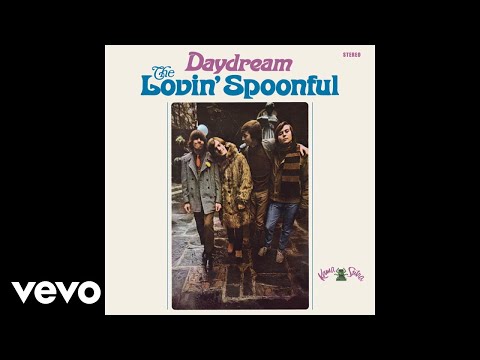
The Lovin' Spoonful, led by John Sebastian and featuring Zal Yanovsky, Steve Boone, and Joe Butler, had already established themselves as one of the most musically eclectic acts in American pop through hits like Do You Believe In Magic and Daydream. Summer In The City represented a deliberate departure from their warmer, more pastoral sound. The song was co-written by John Sebastian, Mark Sebastian, and Steve Boone, and the production incorporated a memorable element that distinguished it immediately: the sound of actual city noise, including traffic and a jackhammer, woven into the arrangement. This documentary impulse, the use of environmental sound to locate the listener in a specific place, was relatively unusual for mainstream pop production at the time and gave the record a vivid, almost cinematic quality.
The Chart Ascent
The single entered the Billboard Hot 100 at number 53 on July 16, 1966, then moved with extraordinary speed: to 21 the following week, then 7, then 3. On August 13, 1966, it reached number one, completing a climb that had taken less than a month. The ascent was steep and decisive, the kind of chart movement that reflected a record connecting with audiences powerfully and immediately. The song spent 11 weeks total on the Hot 100, an extended run that confirmed it as one of the defining hits of that summer. Competing with records from The Beatles, The Rolling Stones, and the entire range of mid-1960s pop and rock acts, Summer In The City held its own by being utterly unlike anything else in the field.
Genre-Bending and Commercial Dominance
The track is genuinely difficult to categorize, which is part of what made it remarkable. Its verses inhabit something close to hard rock, with a driving, aggressive rhythm that suggested the physical discomfort of city heat. Its chorus opens into a different emotional register entirely, warm and wistful, describing the city's transformation after dark when the heat relents slightly and the streets take on a different character. This structural contrast between tension and release gave the song a compositional sophistication that rewarded repeated listening. The Lovin' Spoonful were not primarily known as a hard-edged rock band, which made the sonic aggression of the verses feel genuinely surprising coming from them.
A Song That Defined Its Moment
The summer of 1966 is remembered as a pivotal moment in American cultural history, a season when the optimism of the early 1960s was giving way to something more complicated and contested. The Lovin' Spoonful captured the texture of that transitional summer with remarkable precision, producing a record that felt contemporary to its moment while building something durable enough to represent that moment for everyone who came after. Summer In The City has been licensed for film and television countless times in the decades since its release, always deployed as an instant signifier of a particular place, time, and feeling. That is the definition of a cultural artifact that transcends its original commercial moment.
Turn it up and feel exactly what August in a crowded city felt like in the middle of one of the most turbulent decades in American history.
"Summer In The City" — The Lovin' Spoonful's singular moment on the 1960s charts.
02 Song Meaning
"Summer In The City" — Urban Discomfort and Nocturnal Release
The City as Subject
Most pop songs of the mid-1960s treated urban environments as backdrops rather than subjects, settings for romantic encounters rather than places with their own texture and demands. Summer In The City reversed that priority. The city itself is the protagonist of the song, its daytime brutality and nighttime allure given equal weight across the track's two distinct emotional registers. The heat is not metaphorical. The noise is not symbolic. The song describes the physical reality of being in a large city during summer with a literalism that was genuinely unusual in pop songwriting of the period, and that documentary commitment is what gives it its power.
Daytime Versus Nighttime
The song's structure is built around a contrast that anyone who has spent a summer in a major city will recognize immediately. The verses describe the daytime city: aggressive, loud, physically taxing, a place that beats you down rather than lifts you up. The chorus describes what happens after dark: the same streets become a different place, cooler in temperature and more permissive in atmosphere. This day-to-night transformation is experienced as a kind of daily survival and reward, a rhythm that urban dwellers navigate without consciously articulating it. By giving that rhythm a musical structure, the song validated an experience that pop music had largely ignored in favor of more picturesque settings.
The Social Landscape of 1966
New York City in 1966 was experiencing considerable social tension. The civil rights movement had made visible the conditions in urban neighborhoods that mainstream America had preferred to ignore. Youth culture was asserting itself in ways that older generations found threatening. The city's crowded, sweaty, relentless summer environment was not the kind of subject that record labels typically encouraged their artists to address directly. The Lovin' Spoonful's decision to center a major pop hit on that experience was quietly subversive, inserting the messy reality of American urban life into the same commercial space occupied by beach songs and romantic fantasies.
Sound as Meaning
The sonic choices in the recording reinforce the thematic content. The incorporation of street noise and jackhammer sounds into the arrangement was not merely a production novelty. It was a meaningful decision that placed the listener inside the environment the song was describing. This kind of sonic environment-building drew on techniques being explored in experimental music but applied them to a mainstream pop context in ways that proved accessible without being simplistic. The production communicates physical discomfort through its own density and aggression, making the listener feel rather than merely understand the song's subject matter.
The Endurance of Urban Experience
What has kept Summer In The City in circulation across six decades is its fidelity to a physical experience that has not changed fundamentally despite technological and cultural transformation. Cities still get hot in August. The contrast between daytime aggression and nighttime possibility still structures urban summer life. The song's willingness to describe that reality without romanticizing or moralizing about it means it continues to connect with anyone who has ever sweated through a city summer and waited for evening to make the world bearable again. That honesty is its most durable quality.
→ More from The Lovin' Spoonful
View all The Lovin' Spoonful hits →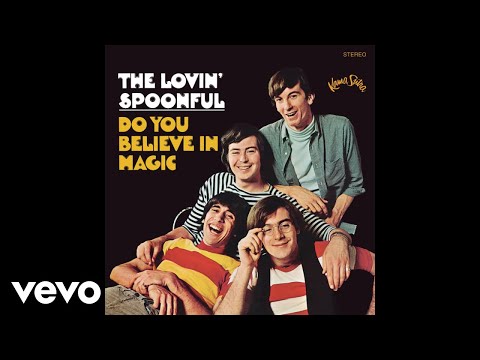
→ More from the 1960s File
View all 1960s hits →




Keep digging