The 1960s File Feature
Bring It On Home To Me
Bring It On Home to Me by The Animals Picture the height of the British Invasion in 1965, English bands flooding American radio and reinterpreting the rhythm…
01 The Story
"Bring It On Home to Me" by The Animals
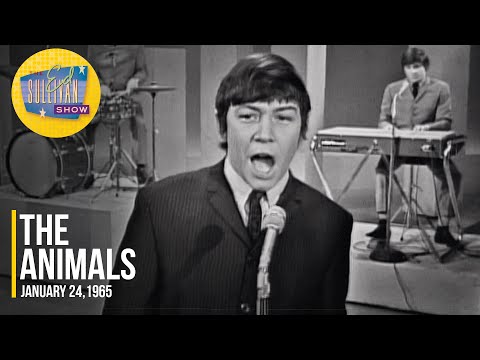
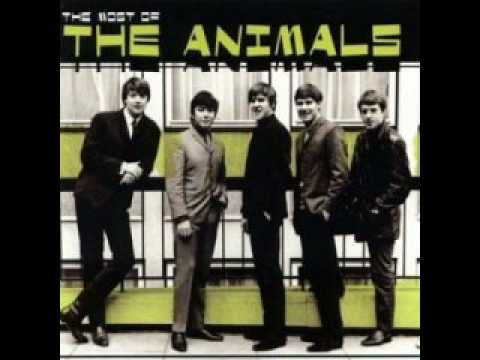
Picture the height of the British Invasion in 1965, English bands flooding American radio and reinterpreting the rhythm and blues they had grown up worshipping. Among the fiercest of these groups were the Animals, a band from Newcastle whose gritty, soulful sound set them apart from their poppier peers. Their take on a soul classic brought raw English passion to a beloved American song, a transatlantic conversation between admirers and the music that inspired them.
The Grittiest of the British Invasion
By 1965 the Animals were among the leading lights of the British Invasion, fresh off their world-conquering version of a folk standard that had topped charts internationally. Fronted by Eric Burdon's powerful, bluesy growl, the band specialized in a tougher, more rhythm-and-blues-rooted sound than many of their contemporaries. Their version of "Bring It On Home to Me" was released in 1965, paying tribute to American soul music. The song fit the band's identity perfectly, giving Burdon a vehicle for the raw emotional intensity that was his trademark. It was a natural choice for a group steeped in the blues and soul tradition.
A Tribute to a Soul Master
The song the Animals chose carried deep significance as a soul standard. "Bring It On Home to Me" was written and originally recorded by Sam Cooke, one of the most revered figures in soul music history. Cooke's original was a landmark of the genre, and the Animals approached it with evident reverence, channeling its emotional core through their own gritty lens. Burdon's impassioned vocal honored the song's pleading heart while giving it a rougher, more rock-edged delivery. The result was a respectful reinterpretation, a British band paying homage to the American masters who had shaped their sound.
A Solid American Chart Run
The single performed respectably on the American chart during the band's peak years. It debuted at number 66 on the Billboard Hot 100 on May 15, 1965, and climbed steadily through the late spring. It reached its peak of number 32 during the week of June 12, 1965, and spent 6 weeks on the chart. Cracking the top 40 confirmed the band's strong commercial standing in America during the British Invasion. The song added to a run of hits that established the Animals as one of the era's most respected and distinctive groups.
Part of a Lasting Legacy
Within the Animals' catalog, this song stands as a fine example of their soulful, blues-rooted approach and their reverence for American music. The band became one of the most influential acts of the British Invasion, known for bringing genuine rhythm-and-blues grit to the mainstream. Their willingness to honor soul and blues masters helped introduce those traditions to a new generation of listeners. This track remains a strong representation of what made the band special, their authentic connection to the music that inspired them.
A Bridge Across the Atlantic
The recording embodies one of the most fascinating dynamics of the era, British musicians taking American rhythm and blues, absorbing it, and sending it back transformed. The Animals were among the most sincere practitioners of this exchange, treating their source material with genuine love. By covering a Sam Cooke classic, they helped keep the song alive for audiences who might not have known the original. That cultural feedback loop, American music inspiring British bands who then influenced America in turn, reshaped popular music in the 1960s, and this track is a vivid example of it in action.
Worth a Spin Today
Cue it up and you get raw, soulful British rock paying heartfelt tribute to a beloved American classic. Burdon's voice carries genuine passion, and the band plays with real conviction and fire. Press play and feel the grit and the soul of one of the era's finest bands.
"Bring It On Home to Me" — The Animals' singular moment on the 1960s charts.
02 Song Meaning
The Meaning Behind "Bring It On Home to Me"
This is a song about longing, regret, and the desire for reconciliation, a plea for a lost love to return home. Its meaning rests in the deep emotional yearning at its core, the voice of someone who has realized their mistake and aches for a second chance. It is a soul song in the truest sense, expressing raw, vulnerable need through impassioned performance.
A Plea for Return
The central message is a heartfelt plea for a departed lover to come back, the narrator admitting his loneliness and his need. There is no pride or pretense here, only naked longing. The song captures the moment of recognizing how much someone meant after they are gone, and the desperate hope that they might return. That vulnerable appeal is the emotional heart of the song, a confession of dependence and love.
Regret and Self-Awareness
Beneath the plea lies a current of regret, an acknowledgment that the narrator may have failed to appreciate the relationship while he had it. The song carries the weight of hindsight, the painful clarity that comes too late. That self-awareness deepens the emotion, making the plea feel earned rather than entitled. The narrator is not simply demanding a return but recognizing his own role in the loss.
The Language of Soul
The song expresses its meaning through the impassioned, gospel-rooted style of soul music, where feeling is conveyed as much through delivery as through words. Burdon's gritty, emotional vocal channels the longing directly, making the listener feel the ache. That fusion of raw performance and heartfelt lyric is what gives soul music its power, and this song lives by it. The emotion is communicated viscerally, beyond mere words.
Why It Resonated
It resonated because nearly everyone understands the experience of longing for a lost love and wishing for another chance. The song's themes of regret and reconciliation are universal and timeless, speaking to anyone who has loved and lost. The Animals' gritty interpretation gave that universal feeling a fresh intensity, connecting with rock and soul audiences alike who recognized the genuine emotion in the performance.
The Vulnerability of Asking
There is a quiet courage in the song's willingness to plead openly, to admit need without the armor of pride or pretense. The narrator lays his heart bare, asking directly for what he wants rather than hiding behind anger or indifference. That vulnerability is part of what makes the song so powerful, the recognition that real love sometimes requires us to swallow our pride and ask. In a culture that often prizes toughness, the song's honest plea for return feels both brave and deeply human. The act of asking, of admitting you cannot do without someone, becomes its own kind of strength, and the gritty performance only heightens that raw honesty.
An Enduring Cry of the Heart
Ultimately the song is a timeless expression of human longing, the universal wish to repair what has been broken and bring a loved one home. Its message of love, regret, and hope endures across every generation. That raw, heartfelt plea is why the song has been embraced by so many artists and listeners over the decades.
→ More from The Animals
View all The Animals hits →


→ More from the 1960s File
View all 1960s hits →




Keep digging