The 1960s File Feature
Boom Boom
The Animals Get Gritty with Boom Boom Set the scene in the closing weeks of 1964, when the British Invasion was sweeping across America and a wave of young E…
01 The Story
The Animals Get Gritty with "Boom Boom"
Set the scene in the closing weeks of 1964, when the British Invasion was sweeping across America and a wave of young English bands was reintroducing the country to its own blues and rhythm-and-blues roots. The Animals were among the toughest and most authentic of these groups, a band steeped in the raw power of American blues. Their take on "Boom Boom" carried that gritty, electrifying energy onto the American charts.
The Blues-Soaked Sound of the Invasion
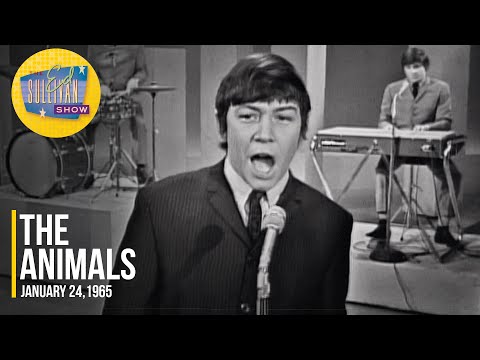
The Animals stood apart from the cheerier pop of many British Invasion bands. Fronted by the powerful, soulful voice of Eric Burdon, the group specialized in a raw, blues-drenched sound that drew deeply on American rhythm and blues. They had exploded onto the scene in 1964 with a landmark recording that became a transatlantic number-one smash and one of the defining songs of the era. That success established them as one of the most respected acts of the invasion, admired for their authenticity and intensity. The Animals brought genuine grit to the British wave, channeling the spirit of the American blues masters they revered.
Burdon's voice in particular was a marvel, capable of conveying real soul and menace far beyond his years.
A Tribute to a Blues Master
"Boom Boom" was a cover of a song by the legendary American bluesman John Lee Hooker. The original was written and recorded by John Lee Hooker, one of the towering figures of the blues, whose hypnotic, rhythmic style influenced countless musicians. The Animals' version paid homage to that source while charging it with the electric energy of a young rock band. They kept the song's primal, driving groove and infectious central hook while amplifying its power for a new generation. The recording captured the band's deep respect for the blues and their ability to translate it into thrilling rock and roll.
A Run on the Hot 100
The single entered the Billboard Hot 100 on the chart dated December 5, 1964, at number 89. It then climbed steadily, reaching 67, then 55, then 49, then 48 over the following weeks. "Boom Boom" reached its peak of number 43 on the chart dated January 9, 1965. The song spent seven weeks on the Hot 100 in total. While it was a more modest showing than the band's biggest smash, reaching the middle of the chart was a solid result for a gritty blues cover. It demonstrated the band's appeal beyond their signature hit and helped introduce American audiences to the John Lee Hooker classic through the lens of the British Invasion.
The chart result reflected a band building a catalog beyond a single monster hit, broadening their reach with their distinctive blues-rock approach.
A Document of the Invasion's Roots
The Animals' "Boom Boom" captures a fascinating aspect of the British Invasion, the way these young English bands sent American blues and rhythm and blues back across the Atlantic, often introducing white American audiences to music born in their own country. The song stands as a tribute to John Lee Hooker and a showcase for the band's gritty authenticity. For fans of blues-rock and the British Invasion, it remains a powerful and energetic listen, a reminder of the deep roots that fed the era's most exciting music.
The Animals would continue to make vital, soulful music, and recordings like this one reveal the blues foundation on which their entire sound was built.
Press Play for Raw Blues-Rock
Put on The Animals' "Boom Boom" and feel the raw, electric energy of one of the British Invasion's grittiest bands paying tribute to a blues legend. It is rock and roll with real soul and power, the sound of young musicians channeling the masters they loved. Few invasion-era recordings capture the thrill of the blues quite so vividly.
"Boom Boom" — The Animals' singular moment on the 1960s charts.
02 Song Meaning
Desire and Swagger in "Boom Boom"
This is a song about raw attraction, a primal expression of desire delivered with swaggering confidence. Rooted in the blues tradition, it celebrates the electric pull between two people in language that is direct, rhythmic, and full of energy. The Animals' version charges that classic blues sentiment with the power and intensity of a young rock band.
The Pulse of Attraction
The central theme is straightforward physical desire. The song expresses the magnetic, almost overwhelming pull of attraction, the thrill of being drawn to someone. There is nothing complicated or anguished about it; the appeal lies in its directness and energy. That primal simplicity is part of what gives the blues its enduring power, capturing a feeling everyone recognizes in its rawest form.
The Blues Tradition of Plainspoken Desire
The song draws on a long blues heritage. The blues has always given frank, rhythmic voice to desire, and this song stands firmly in that tradition. Its repetitive, hypnotic hook embodies the relentless pull of attraction, the rhythm itself acting out the feeling. The Animals honored that source while amplifying its intensity for a rock audience, keeping the directness while adding electric power.
Swagger and Confidence
The song radiates confidence. It delivers its desire with bravado rather than hesitation, projecting the cool assurance of someone who knows exactly what they want. That swagger was central to the appeal of both the blues and the British Invasion bands who loved it. The performance turns simple attraction into a statement of energy and attitude.
Why It Resonated
The pull of attraction is among the most universal of feelings. Listeners responded to the song's raw, energetic celebration of desire, recognizing its primal pull. Delivered with the power of a young rock band, that timeless blues sentiment felt fresh and exciting to a new generation of listeners.
A Primal Energy
What endures is the song's raw, rhythmic energy. It does not overthink its subject; it simply channels the electric thrill of attraction into an irresistible groove. That primal power, rooted in the blues and charged with rock-and-roll intensity, is the song's lasting appeal, a direct line to one of music's oldest and most universal feelings. There is a reason the blues has endured for so long, and this song captures it perfectly. It does not dress up desire in poetry or pretense; it simply names the feeling and rides its rhythm. The Animals understood that the power of the music lay in that very directness, and they honored it while adding their own youthful fire. That faithful, electric translation of a blues classic is what gives the recording its lasting force, connecting a new generation to the raw emotional language of the masters.
→ More from The Animals
View all The Animals hits →

→ More from the 1960s File
View all 1960s hits →




Keep digging