The 1960s File Feature
Dance To The Music
“Dance To The Music” by Sly The Family Stone were unlike anything else in American music, a racially integrated, gender-mixed band fusing soul, rock, funk, a…
01 The Story
“Dance To The Music” by Sly & The Family Stone
Imagine the moment in early 1968 when a new sound burst out of the radio, joyful and revolutionary all at once. Sly & The Family Stone were unlike anything else in American music, a racially integrated, gender-mixed band fusing soul, rock, funk, and psychedelia into a sound that felt like the future arriving. With “Dance To The Music,” they announced that vision to the world and launched one of the most influential careers in popular music.
A Band Built to Break Barriers
Led by the visionary Sly Stone, the group was a genuine melting pot, bringing together musicians of different races and genders at a time when such a lineup was itself a powerful statement. The band's makeup mirrored the inclusive, communal spirit of their music, and it set them apart in an era of deep social division.
“Dance To The Music” served as the band's first major breakthrough hit, the song that introduced their explosive sound to a national audience. It distilled their innovative approach into an irresistible package, putting the group on the map and signaling the arrival of a major new force.
Inventing a New Sound
The recording is a thrilling showcase of the band's revolutionary style. It famously gives each member a moment to shine, building the song piece by piece so listeners can hear the individual instruments and voices come together. That playful, almost instructional structure became one of the track's signatures, a celebration of the band itself as much as the music.
The result helped pioneer the genre that would come to be known as funk, blending the grit of soul with the energy of rock and the adventurousness of psychedelia. Few records of the era sounded so fresh, so joyful, and so genuinely new.
The genius of the arrangement is its generosity. By spotlighting each member in turn, the band created a sense of community right inside the music, a feeling that everyone had a role to play and a voice worth hearing. That structure was not just a clever gimmick; it reflected the egalitarian spirit at the heart of the group, and it made the song feel like a celebration of the band itself as a collective. Listeners could practically picture the players grinning at one another as the track built toward its joyful peak.
A Climb Into the Top Ten
The single proved a major success on the national chart. “Dance To The Music” debuted on the Billboard Hot 100 on February 10, 1968, at number 72, then climbed rapidly through the late winter and spring, surging into the forties, thirties, and twenties before peaking at number 8 on April 20, 1968. The record enjoyed a robust run of fifteen weeks on the chart, a clear sign of its broad and lasting appeal.
Reaching the Top Ten with such an unconventional, boundary-pushing record was a remarkable achievement, proof that audiences were ready to embrace the band's bold new vision.
The Start of a Revolution
“Dance To The Music” opened the door to one of the most important runs in modern music. Sly & The Family Stone would go on to release a string of classic recordings that shaped the future of funk, soul, and rock, influencing countless artists across generations. This single was the spark that lit that fire, the opening statement of a band that would change music forever.
For anyone who loves the joyful, genre-defying energy of late-sixties music, this is essential listening, the sound of a band rewriting the rules in real time. Press play and let the band's irresistible invitation move you, just as it moved the world in 1968.
“Dance To The Music” — Sly & The Family Stone's singular moment on the 1960s charts.
02 Song Meaning
The Meaning Behind “Dance To The Music”
“Dance To The Music” is, on its surface, a joyful invitation to get up and move, but beneath that simple call lies a deeper celebration of unity, inclusion, and the power of music to bring people together. Sly & The Family Stone turned a dance anthem into something close to a manifesto.
An Invitation to Join In
The most immediate meaning is right there in the title: a call to dance, to feel the groove, to surrender to the joy of the music. The song works as a pure celebration of rhythm and movement, an open invitation for everyone to participate. It is music about the act of enjoying music, generous and welcoming in its spirit.
Unity Through Sound
Beneath the dancing lies something more profound. The band's very existence, a mix of races and genders, embodied a vision of togetherness and equality, and their music carried that message implicitly. The way the song builds by showcasing each member reflects a communal ideal, individuals contributing their unique voices to a shared whole. In a divided era, that was quietly radical.
Joy as Statement
The song's exuberance was itself meaningful. At a moment of social tension and upheaval, a record this full of joy and inclusion offered an alternative vision, one of celebration and unity rather than conflict. The sheer happiness of the music became a kind of hopeful statement about what people could be together.
Music as Common Ground
There is a reason the song chose music itself as its rallying point. The dance floor is one of the few places where differences can genuinely dissolve, where people of every background move to the same beat and feel the same joy. By making music the thing everyone is invited to share, the song offers a vision of common ground that needs no speeches or arguments. The groove does the work, drawing people together in a shared experience that transcends the divisions outside the room. It is a quietly powerful idea, that the simple act of dancing together might point toward something larger.
Why It Resonates
The song endures because its invitation is timeless and its spirit irresistible. The urge to dance, to celebrate, to come together with others crosses every boundary of age and background. “Dance To The Music” captures that universal impulse and pairs it with a deeper message of unity, making it both an irresistible groove and a small emblem of hope. Decades later, its call to join in still feels as fresh and as welcoming as ever, a joyful piece of music whose deeper message of togetherness has only grown more meaningful with time.
→ More from Sly & The Family Stone
View all Sly & The Family Stone hits →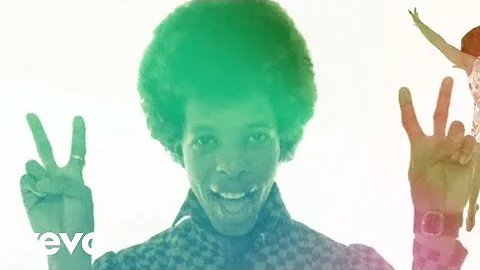



→ More from the 1960s File
View all 1960s hits →




Keep digging