The 1960s File Feature
The Nitty Gritty
The Nitty Gritty by Shirley Ellis Picture the dance floors of late 1963, alive with energy and ready for a new craze. The early 1960s were the golden age of …
01 The Story
"The Nitty Gritty" by Shirley Ellis
Picture the dance floors of late 1963, alive with energy and ready for a new craze. The early 1960s were the golden age of the dance record, when a catchy beat and a singable hook could send the whole country moving. Into that lively scene came Shirley Ellis with a punchy, rhythmic single that practically dared listeners to get up and find the groove.
A Distinctive New Voice
Shirley Ellis emerged in the early 1960s as a charismatic performer with a knack for rhythmic, playful songs. She worked closely with songwriter and producer Lincoln Chase, who helped craft her distinctive sound and would go on to write some of her biggest hits. This single served as a strong early showcase for Ellis, introducing her vibrant personality and her gift for delivering a hook with style. She brought genuine flair to the dance-craze format, and this record helped establish her as a memorable presence on the charts.
The Sound Of A Dance Craze
The song is built for movement, driven by a propulsive beat and Ellis's energetic, commanding vocal. It belongs to the early-1960s tradition of dance records that introduced or celebrated a particular style of moving. The arrangement is punchy and rhythmic, full of call-and-response energy and an irresistible momentum. The phrase itself, referring to getting down to the essential or fundamental, gave the song a memorable hook and a sense of attitude. Everything about the production was designed to fill a dance floor, from the driving rhythm to Ellis's confident, inviting delivery.
Attitude And Energy
What gives the record its lasting charm is Ellis's personality. She delivers the song with a knowing confidence, projecting the kind of cool, in-command energy that makes a dance record feel like a celebration. Her vocal carries genuine swagger, turning a simple dance song into a statement of style. That charisma set her apart from many of her peers and helped her songs endure as more than mere novelties. The phrase she popularized entered the broader culture, a testament to the song's catchy appeal.
Climbing The Hot 100
The single debuted on the Billboard Hot 100 on November 16, 1963, entering at number 88. It climbed steadily through a turbulent national moment, rising into the 70s, then the 50s, and on into the 30s and 20s as it caught fire. The record peaked at number 8 on January 11, 1964, giving Ellis a major Top 10 hit, and it spent 14 weeks on the chart. That strong showing established her as a genuine hit-maker and set the stage for the even bigger success that would follow.
A Hit Amid Historic Times
The song's chart run is poignant in retrospect because of when it happened. It climbed during the final weeks of 1963 and into early 1964, a period that bracketed one of the most traumatic moments in American history and the arrival of a cultural revolution. As the nation grieved and then turned toward a new era in popular music, dance records like this one offered listeners a release, a chance to move and feel joy amid heavy times. Ellis's infectious energy provided exactly that escape, a reminder of music's power to lift spirits. The song reached its peak just as the pop landscape was about to be transformed, making it a vivid artifact of the moment right before everything changed. Its success affirmed that the appetite for a great dance record never disappears, even in difficult seasons.
Press Play
Put this on when you need an instant jolt of early-1960s dance-floor energy. It is punchy, confident, and impossible to sit still through, the sound of a charismatic performer inviting the whole world to get down. Shirley Ellis brought style and personality to everything she recorded, and this single remains a shining example of her gift for turning a simple groove into pure, infectious fun.
"The Nitty Gritty" — Shirley Ellis's singular moment on the 1960s charts.
02 Song Meaning
What "The Nitty Gritty" Is Really About
This is a dance song about getting down to the essentials, both on the dance floor and in attitude. The title phrase refers to the heart of the matter, the fundamental core of something, and the song uses it as an invitation to cut loose and find the real groove. It is a celebration of energy, movement, and unfiltered fun.
Getting To The Core
The central theme is the idea of stripping away the surface to reach what truly matters. On the dance floor, that means abandoning self-consciousness and giving in to the rhythm. The song treats dancing as a way of getting real, of connecting with something honest and elemental. That double meaning, both about dancing and about authenticity, gives the simple party song a touch of deeper resonance, an invitation to be genuine.
Movement As Liberation
Like the best dance records, the song celebrates the freedom of physical expression. The driving beat and call-and-response energy invite everyone to participate, to lose themselves in the collective joy of the dance. This is music as release, a chance to set aside everyday concerns and simply move. The song's exuberance is its message, offering listeners an escape into pure rhythmic pleasure.
Confidence And Cool
Beyond the dancing, the song projects an attitude of self-assured cool. Shirley Ellis delivers it with swagger and command, modeling the kind of confidence that makes a person magnetic on the dance floor. That projection of style and assurance is part of the song's appeal, an invitation not just to dance but to own the moment. The record celebrates personality as much as movement.
A Phrase That Outlived The Song
One of the most remarkable things about the record is how thoroughly its title phrase entered the broader language. The expression came to mean the essential, practical heart of any matter, used in contexts far removed from the dance floor. That linguistic afterlife is a testament to the song's cultural reach, proof that it lodged itself in the collective memory. A song that gives a phrase to the language has achieved something rare, a kind of permanence beyond the charts. Decades later, people who have never heard the record still use the words it helped popularize, an enduring echo of Shirley Ellis's catchy, confident hit.
Why It Connected
The song resonated because it delivered exactly what dance audiences wanted, an irresistible beat, a catchy phrase, and a charismatic voice urging them to move. The phrase itself entered everyday language, a sign of how thoroughly the song lodged in the culture. By combining fun, confidence, and a great groove, Ellis created a record that made people feel good and feel bold, the timeless formula of a great dance hit.
→ More from Shirley Ellis
View all Shirley Ellis hits →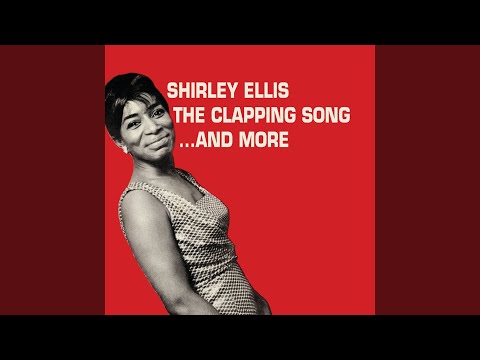


→ More from the 1960s File
View all 1960s hits →




Keep digging