The 1960s File Feature
Léah
Léah by Roy Orbison Picture the autumn of 1962, when American pop was poised between the raw thrill of early rock and roll and the lush orchestral drama that…
01 The Story
"Léah" by Roy Orbison
Picture the autumn of 1962, when American pop was poised between the raw thrill of early rock and roll and the lush orchestral drama that would soon define the decade. On radios across the country, one voice rose above the rest, a soaring, operatic instrument capable of turning heartbreak into something cinematic. Roy Orbison was at the height of his powers, and "Léah" arrived as a haunting, atmospheric ballad that showcased his unique gift for blending vulnerability with grandeur. It was a song unlike almost anything else on the charts.
A Voice From Texas Like No Other
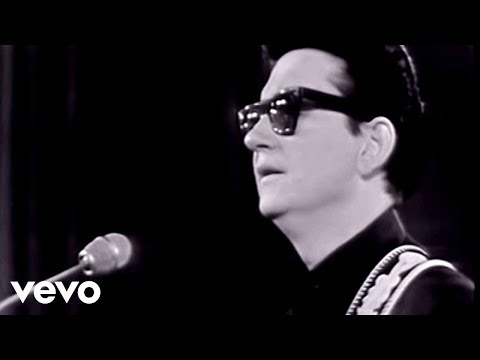
By 1962 Roy Orbison had established himself as one of the most distinctive artists in popular music. He had already scored major hits including "Only the Lonely" and "Crying", songs that announced his remarkable vocal range and his flair for emotional intensity. Unlike many of his peers, Orbison did not rely on a hip image or dance moves. He stood largely still, often hidden behind dark glasses, and simply unleashed that astonishing voice. His records felt like miniature operas, building from quiet tenderness to overwhelming climaxes.
A Ballad of Dreams and the Sea
"Léah" stood apart even within Orbison's catalog for its unusual storytelling. The song spins a dreamlike tale of a man diving into the ocean to find pearls for his beloved, a narrative that unfolds with cinematic imagery before a startling twist reveals its true nature. The song was written by Roy Orbison himself, demonstrating his skill not just as a singer but as a songwriter capable of crafting vivid, unconventional narratives. The atmospheric production matched the lyric's exotic, fantastical mood perfectly. Few pop songs of the era attempted such an ambitious narrative, and fewer still pulled it off with such conviction. Orbison's willingness to build an entire song around a dreamlike story, complete with a sudden turn, set him apart from the more conventional hitmakers of the day and showed an artist unafraid to follow his imagination wherever it led.
A Steady Climb on the Hot 100
On the charts the single performed solidly. "Léah" debuted at number 95 on the Billboard Hot 100 on October 6, 1962, then climbed quickly through the autumn. It reached its peak of number 25 on November 24, 1962, and spent ten weeks on the Hot 100. While it did not reach the towering heights of his biggest smashes, it added another respectable hit to a remarkable run and showed audiences willing to follow Orbison into stranger, more imaginative territory.
A Singer Apart From His Peers
What made Orbison so special in this era was how completely he broke the mold of the pop star. While most hitmakers relied on charisma, dance, or a rebellious image, Orbison stood almost motionless and let his extraordinary voice do everything. His range was operatic, capable of climbing to soaring heights that few singers could match, and he used it to convey emotions of overwhelming intensity. His songs often abandoned the standard verse-chorus structure, building instead like dramatic miniatures toward shattering climaxes. That theatrical approach gave his records a depth and ambition rare in early-sixties pop. "Léah" fits squarely within that unconventional artistry, a song built on imagination and emotional grandeur rather than on a simple hook, the work of an artist who treated pop music as a canvas for genuine drama.
A Distinctive Entry in a Legendary Career
Within Roy Orbison's extraordinary body of work, "Léah" holds a place as one of his more adventurous and atmospheric recordings. Orbison would go on to even greater success, including the number one hit "Oh, Pretty Woman" in 1964, cementing his status as a legend. Yet songs like this one reveal the depth and imagination behind his artistry, the willingness to experiment with narrative and mood. For listeners exploring his catalog beyond the famous hits, it offers a haunting and rewarding discovery.
Let it play when you want to be swept into a dream, and let Roy Orbison's incomparable voice carry you out across the dark and shimmering sea.
"Léah" — Roy Orbison's singular moment on the 1960s charts.
02 Song Meaning
The Meaning of "Léah" by Roy Orbison
This is a song about devotion, dreams, and the thin line between fantasy and loss. It tells the story of a man willing to risk everything to bring his beloved a precious gift, diving into the depths of the sea in pursuit of pearls. The narrative unfolds like a fable, building toward a revelation that reframes the entire tale. Beneath its exotic surface lies a meditation on love, longing, and the fragility of our deepest hopes.
Love as a Perilous Quest
The central image is one of romantic sacrifice. The narrator risks his life to win something beautiful for the one he loves, casting devotion as a kind of heroic quest. That framing elevates ordinary longing into the stuff of myth, the idea that true love demands courage and is worth any danger. It is a deeply romantic vision, grand and a little reckless. The song suggests that real love is not measured in comfort or convenience but in the willingness to face peril for another, an old and powerful idea that gives the tale its mythic weight.
The Twist Between Waking and Dreaming
What sets the song apart is its surprising structure. The story blurs the boundary between reality and dream, leading the listener through a vivid scene before revealing its illusory nature. That twist gives the song a melancholy depth, suggesting how often our most cherished visions exist only in the imagination, slipping away the moment we reach for them.
Orbison's Operatic Emotion
The meaning is inseparable from the voice that delivers it. Orbison's soaring vocal turns the tale into something overwhelming and cinematic, charging every line with yearning. His delivery makes the listener feel the desperation and wonder of the quest, transforming a simple story into an emotional experience of real intensity.
The Fragility of the Dream
The song's final turn casts everything that came before in a new light. What seemed like a tale of heroic devotion is revealed to exist only in the mind, a vision that dissolves and leaves the dreamer with nothing but longing. That structure speaks to a melancholy truth about desire, the way our grandest hopes can prove insubstantial, slipping through our fingers the moment we reach for them. The beauty of the dream and the sorrow of its loss become inseparable, giving the song an emotional complexity rare for its time.
Why It Resonated
Listeners connected with the song because it spoke to the universal experience of longing for something just out of reach. Everyone has chased a dream that dissolved upon waking, has wanted to give a loved one the world and found the world impossibly far away. The song captures that bittersweet truth with beauty and imagination, which is why it lingers in the memory long after the final note.
→ More from Roy Orbison
View all Roy Orbison hits →


→ More from the 1960s File
View all 1960s hits →




Keep digging