The 1960s File Feature
The Exodus Song (This Land Is Mine)
The Exodus Song: Pat Boone and the Billboard Power of Film Music Note: This entry covers Pat Boone's 1961 recording of "The Exodus Song (This Land Is Mine)."…
01 The Story
The Exodus Song: Pat Boone and the Billboard Power of Film Music
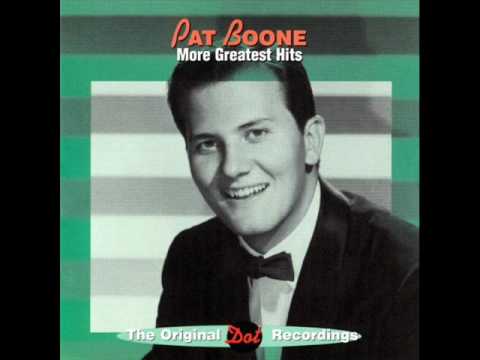
Note: This entry covers Pat Boone's 1961 recording of "The Exodus Song (This Land Is Mine)." The melody derives from Ernest Gold's score for the 1960 film Exodus, directed by Otto Preminger. Lyrics were added by Pat Boone's frequent collaborator, setting the cinematic theme to words. This is distinct from other vocal versions of the same melody recorded by different artists during the same period.
The film Exodus, released in December 1960 by United Artists and directed by Otto Preminger, was one of the most ambitious and commercially significant American productions of its era. Based on Leon Uris's bestselling novel about the founding of the State of Israel, it starred Paul Newman and featured a cast of considerable scale and distinction. Ernest Gold's orchestral score for the film was equally ambitious, crafting a main theme of such melodic power and emotional directness that it immediately became one of the most recognizable pieces of film music of the decade. Ernest Gold won the Academy Award for Best Original Score for his work on the film, and the theme's commercial life as a pop recording had barely begun when that recognition came.
Pat Boone was among the first and most commercially successful artists to record a vocal version of the theme, released in 1961 on Dot Records. Boone had established himself as one of the most commercially reliable pop vocalists of the late 1950s, with a string of chart successes that had made him one of the best-selling recording artists of that period. His approach to the material reflected his strengths: a clean, pleasant tenor voice capable of delivering melodic material with clarity and emotional accessibility, supported by production that prioritized the melody's inherent appeal over any kind of stylistic complexity.
The commercial context for film-music adaptations as pop singles was particularly favorable in the early 1960s. Film scores were being heard by enormous audiences in an era when movies were still the dominant mass entertainment medium, and melodies from major films could generate immediate public familiarity that gave pop recordings based on them a significant commercial advantage. The Exodus theme was better positioned than almost any other film music of the period to capitalize on this dynamic, given the film's commercial success, its subject matter's emotional weight, and the extraordinary melodic quality of Gold's composition.
Boone's recording added English lyrics to the melody, creating a vocal version that could function both as an appreciation of the film's themes and as a pop single in its own right. The lyrical content addressed the emotional core of the Exodus narrative, the determination to claim and defend a homeland, the relationship between a people and a land, and the weight of historical experience, in terms accessible to the broad pop audience Boone's recordings typically reached. The recording was produced with the orchestral support appropriate to the material's scale, providing an arrangement that honored the epic quality of Gold's original composition.
The Hot 100 performance of the Boone recording during 1961 reflected the substantial commercial appetite for recordings that could capitalize on the cultural moment of the Exodus film's release and its ongoing presence in public consciousness. The film ran in major markets for an extended period, and its presence in cinemas helped sustain public interest in the theme beyond the initial release period. Boone's version competed with instrumental versions of the same melody but offered something different: the accessibility of a familiar popular voice delivering the melody in a form that connected the grand cinematic score to the personal emotional register of pop song.
Dot Records, the label Boone had been recording for since the mid-1950s, was experienced at positioning him in the market for this kind of melodically rich, broadly accessible material. The label's approach to production and promotion during this period consistently prioritized palatability and radio friendliness, qualities that served Boone's audience well and that were well-matched to the Exodus theme's inherent commercial appeal. The recording arrived at a moment in Boone's career when his commercial reliability was perhaps more important to the label than any artistic ambition, and the result was a record that fulfilled its commercial brief with efficiency and modest grace.
The broader phenomenon of the Exodus theme's pop recording life illustrates a characteristic pattern of the early 1960s music industry, in which major film scores generated extended commercial activity in the pop recording market as multiple artists sought to capitalize on the public's familiarity with melodies that major films had put into wide circulation. Boone's version was among the most successful of these adaptations, demonstrating both the theme's commercial potential and his own enduring ability to serve as a reliable conduit between ambitious source material and the mass pop audience.
02 Song Meaning
Land, Identity, and Longing: The Meaning of The Exodus Song
"The Exodus Song (This Land Is Mine)" operates in a register quite unlike the romantic or personal themes that dominated most pop music of the early 1960s. Its subject is collective rather than individual, historical rather than immediate, and its emotional appeal draws on the kind of deep cultural identification that distinguishes national or ethnic consciousness from personal sentiment. The lyrical content addresses the relationship between a people and a specific territory, the sense that belonging to a land is not merely a matter of physical residence but a form of identity so deep that separation from it becomes a form of self-loss. Pat Boone's delivery brings these themes to a pop audience through his characteristic clarity and warmth, making material of considerable emotional weight accessible without diminishing its seriousness.
The song's connection to the film Exodus gives its lyrical themes a specific historical context. The film dealt with the founding of the State of Israel and with the determination of Jewish survivors of World War Two to establish a homeland, themes that carried enormous emotional weight for the film's audiences in 1960 and 1961. The melody that Ernest Gold composed for the film was designed to carry this emotional weight at a level below language, to communicate through musical means the combination of longing, determination, and historical grief that the film's subject matter involved. When lyrics were added to this melody, they inherited the emotional associations that the film had already established, so that the pop recording carried a layer of meaning beyond what its words alone could generate.
The phrase "this land is mine" is a declaration of connection and identity, not merely a claim of ownership but an assertion that the relationship between the speaker and the land is constitutive, that the land is part of who the speaker is. This quality of identification between self and place is one of the most powerful themes in human experience and one that cuts across cultural and national lines, which is part of what allowed the song to find a pop audience beyond the specific cultural context of the film's subject matter. Listeners who had no particular connection to the historical situation depicted in Exodus could nonetheless respond to the emotional proposition of belonging to a place with a depth that goes beyond the ordinary categories of property or residence.
Within the context of early 1960s American pop, a song with this kind of collective, historically resonant subject matter occupied unusual territory. The pop market of 1961 was dominated by personal romantic themes, and a song about national identity and historical longing was not typical fare for the format. The success of Boone's recording in this environment reflects both the strength of the melody's commercial appeal and the degree to which the film's subject matter had created a genuine emotional resonance in the broader public consciousness. The recording reached an audience that was willing to engage with material of greater historical and emotional weight than the pop marketplace typically required.
The song also reflects the broader cultural moment's willingness to engage with Jewish historical experience in a mainstream American context, a willingness that was itself a product of the post-war period's evolving engagement with the Holocaust's legacy and the significance of Israel's establishment. Dot Records and Boone's decision to record this material can be read as a reflection of that cultural moment, an acknowledgment that these themes had genuine resonance for the pop audience and deserved to be addressed in the pop medium. The resulting recording is a characteristic product of its moment, earnest, accessible, and genuinely engaged with subject matter that transcended the usual boundaries of commercial pop.
→ More from Pat Boone
View all Pat Boone hits →



→ More from the 1960s File
View all 1960s hits →




Keep digging