The 1950s File Feature
The Wang Dang Taffy-Apple Tango (Mambo Cha Cha Cha)
The Wang Dang Taffy-Apple Tango by Pat Boone Rewind to 1959, the tail end of a decade when Pat Boone was one of the most popular and wholesome stars in Ameri…
01 The Story
"The Wang Dang Taffy-Apple Tango" by Pat Boone
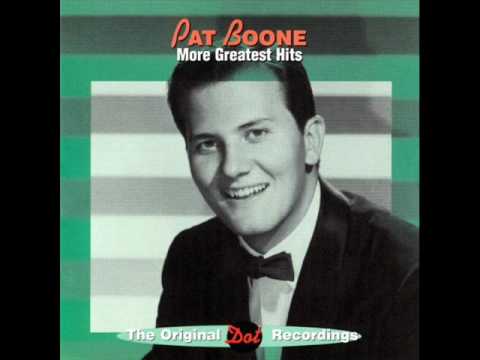
Rewind to 1959, the tail end of a decade when Pat Boone was one of the most popular and wholesome stars in American music. With his clean-cut image, smooth voice, and famous white buck shoes, Boone had become a fixture of the pop charts, second only to Elvis Presley in terms of hits during that era. He built his fame on polished covers and gentle pop tunes, and in 1959 he released one of the more curious and playful entries in his catalog, a novelty number with one of the most memorable titles of its time.
Wholesome Pop Royalty
Pat Boone rose to enormous fame in the 1950s as a singer who offered a smoother, more family-friendly alternative to the wilder energy of early rock and roll. He scored a remarkable run of hits, often with polished versions of songs by other artists, and he became a beloved figure to mainstream audiences. His image was squeaky clean and reassuring, the kind of star parents approved of, and his commercial success during the decade was immense. By 1959 he was a true pop institution.
A Playful Novelty Number
"The Wang Dang Taffy-Apple Tango" was a lighthearted novelty song, its very title a tongue-twisting bit of fun that promised a playful listen. Subtitled with a reference to mambo and cha cha cha, the song leaned into the Latin dance crazes that were popular at the time, wrapping them in Boone's smooth, good-natured delivery. It was a piece of pure entertainment, a bouncy and amusing track designed to delight rather than to move anyone deeply. That sense of cheerful fun was its entire reason for being.
A Brief Chart Appearance
On the Billboard Hot 100, the song had a short run. It debuted at number 62 on April 20, 1959, which turned out to be its peak, then drifted downward to number 64 and 65 before falling off the chart. In all, it spent just four weeks on the Hot 100. Novelty songs often had brief chart lives, burning bright for a moment before fading, and this one followed that pattern. It was a minor entry compared to Boone's bigger hits, but a fun one nonetheless.
A Lighthearted Footnote
Within Pat Boone's enormous catalog of hits, "The Wang Dang Taffy-Apple Tango" stands as a charming novelty, a reminder of the playful side of late-1950s pop. The song captures a moment when Latin dance rhythms were sweeping American popular music and even the most wholesome stars were happy to join the fun. Boone's status as a 1950s pop giant rests on far weightier hits, but this cheerful curiosity adds a bit of whimsy to the story. For fans of the era, it remains an amusing listen.
A Snapshot of an Era
The song also reflects the broader musical landscape of 1959, a time of dance crazes, novelty records, and the smooth pop that coexisted alongside rock and roll. Its embrace of Latin rhythms speaks to the cross-cultural currents flowing through American pop at the time. Listening today, it transports you to a particular flavor of late-1950s entertainment, all good-natured fun and catchy rhythm. It is the kind of record that captures the lighter, more carefree side of its moment, a brief and pleasant diversion from a bygone age. The late 1950s were a time when novelty records and dance crazes coexisted happily with the rising tide of rock and roll, and a star of Boone's magnitude could move comfortably between heartfelt ballads and pure whimsy. This song belongs firmly to the whimsical end of that spectrum, a reminder that even the most polished pop idol enjoyed a bit of fun.
Press play and enjoy a playful slice of late-1950s pop fun from one of its very biggest and most wholesome stars. Some songs exist simply to put a smile on your face, and this one is happily and unmistakably one of them.
"The Wang Dang Taffy-Apple Tango" — Pat Boone's singular moment on the 1950s charts.
02 Song Meaning
The Meaning Behind "The Wang Dang Taffy-Apple Tango"
"The Wang Dang Taffy-Apple Tango" is, above all, a piece of pure fun, a novelty song whose meaning lies more in its playful spirit than in any deep message. With its tongue-twisting title and its embrace of Latin dance rhythms, the song is a lighthearted celebration of music, dancing, and good-natured silliness. It asks nothing of the listener except to enjoy the ride.
Joy for Its Own Sake
The song's primary purpose is entertainment, to amuse and delight rather than to convey a serious sentiment. Its whimsical title and bouncy rhythm signal that this is music made for fun. That commitment to pure enjoyment is the heart of the song, a reminder that not every piece of music needs to carry weighty meaning to be worthwhile and memorable.
Riding a Dance Craze
By referencing the tango, mambo, and cha cha cha, the song taps into the Latin dance crazes that swept American popular culture in the late 1950s. That playful nod to dance fashions roots the song in its moment, capturing the era's enthusiasm for these rhythmic, exotic-seeming styles and turning them into wholesome mainstream fun.
Wholesome Whimsy
In keeping with Pat Boone's clean-cut image, the song's silliness is entirely innocent and good-natured. There is nothing edgy or provocative about it, only cheerful, family-friendly fun. That wholesome whimsy reflects the sensibility of mainstream pop in the era, a world of harmless amusement and bright, optimistic entertainment.
The Charm of the Nonsensical
Part of the song's appeal lies in its embrace of the nonsensical, its delight in a title and a concept that make little literal sense. This playful absurdity is a feature, not a flaw. That gleeful silliness invites the listener to let go of seriousness and simply enjoy the sounds and rhythms, much as a child enjoys a tongue-twister or a nonsense rhyme. There is a long and honorable tradition of nonsense in popular song, from music hall to novelty hits, and this track belongs happily to that lineage of cheerful, untroubled fun.
A Window Into Its Time
The song also reveals something about the tastes of its era, a moment when audiences delighted in playful records and exotic-seeming dance rhythms. The embrace of Latin styles like the tango and mambo reflected a broader cultural fascination with these sounds. That openness to fun and to new rhythms captures the spirit of late-1950s pop, a world that valued entertainment and good cheer and welcomed a bit of harmless novelty into the mainstream.
Why It Charmed
The song connected with listeners because its fun was so accessible and unpretentious. In an era that loved novelty records and dance crazes, a cheerful, silly song from a beloved star was an easy delight. Its lighthearted, good-natured spirit offered a few minutes of pure amusement. The song never aimed for greatness, only for fun, and on those terms it succeeded completely.
→ More from Pat Boone
View all Pat Boone hits →

→ More from the 1950s File
View all 1950s hits →

Keep digging