The 1960s File Feature
Love Is All We Need
Love Is All We Need Mel Carter's Tender Mid-1960s Ballad By early 1966, Mel Carter had established a reputation as one of pop music's most reliably tender ba…
01 The Story
Love Is All We Need — Mel Carter's Tender Mid-1960s Ballad
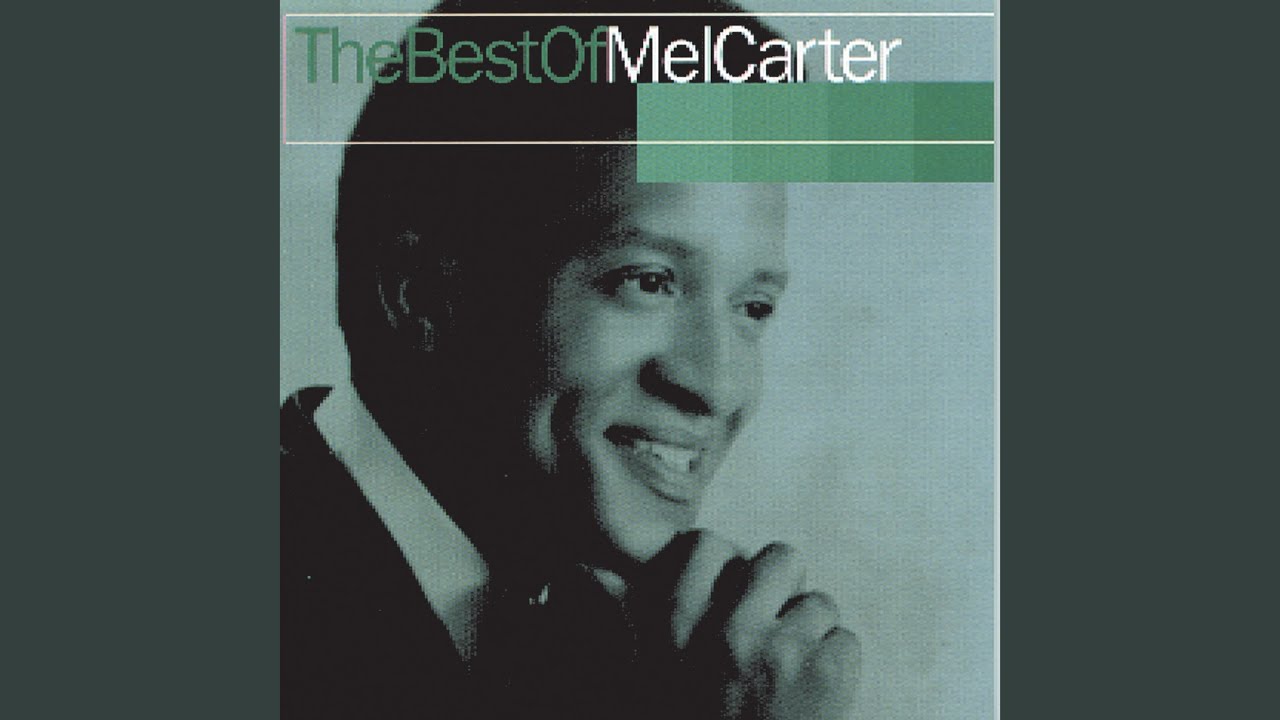
By early 1966, Mel Carter had established a reputation as one of pop music's most reliably tender balladeers, a singer whose smooth, romantic delivery had already produced a major hit the previous year with "Hold Me, Thrill Me, Kiss Me." Carter, who had trained as a gospel singer before moving into secular pop, brought a churchbred sense of vocal control and emotional sincerity to his recordings, qualities that served him especially well on delicate romantic material. "Love Is All We Need" continued that run of gentle, string-laden ballads that had become his signature sound, offering fans exactly the kind of warm, unhurried romanticism they had come to expect from him after his first taste of national chart success the previous year with that earlier signature recording that first established his sound nationally and made his name familiar to pop radio listeners everywhere, from major metropolitan markets down to smaller regional stations across the country, cementing a level of visibility that would carry him into the rest of his celebrated decade of hits and steady chart presence.
A Voice Rooted in Gospel Tradition
Carter's background performing gospel music before transitioning to pop gave his ballads a particular emotional grounding, a sense of sincerity that distinguished his recordings from more purely commercial pop balladry of the period. "Love Is All We Need" showcases that quality clearly, its arrangement built to give Carter's voice room to convey warmth and conviction without ever tipping into melodrama, letting the strings support rather than compete with his phrasing.
Following a Breakthrough Hit
Arriving on the heels of his biggest commercial success, the song carried real expectations, both from Carter's label and from an audience that had embraced his tender balladeering style just months earlier. Rather than dramatically shifting course, Carter and his collaborators wisely stayed close to the formula that had already proven successful, offering more of the lush, romantic sound that had won over listeners just months before.
A Solid Chart Performance
"Love Is All We Need" entered the Billboard Hot 100 on January 22, 1966, at number 84 and climbed steadily over the following weeks. The song reached its peak of number 50 during the week of March 5, 1966, completing a run of eight weeks on the chart. That consistent upward trajectory, gaining roughly seven to eight positions most weeks, reflects a song that connected reliably with Carter's existing audience even without matching the scale of his signature hit.
Consistency as a Career Strategy
For an artist coming off a genuine breakthrough, the temptation to chase a dramatically different sound can be considerable, but Carter's team understood the risk in abandoning a formula that clearly worked. That disciplined consistency, delivering more of what audiences had already embraced rather than gambling on reinvention, kept his name reliably present on the charts through this stretch of the mid-1960s.
A Steady Career Built on Tenderness
"Love Is All We Need" reinforced Carter's standing as one of the mid-1960s' most dependable purveyors of romantic balladry, an artist whose gospel-honed vocal sincerity gave his love songs a credibility that set them apart from more purely commercial competitors. The song remains a fine example of a formula executed with real craft and feeling, proof that reliable consistency, when built on genuine sincerity, could be its own kind of artistic virtue rather than a limitation, especially for an artist whose fan base valued dependability as much as novelty from one single to the next, trusting that a familiar sound delivered well would keep them coming back for more, single after single, year after year, without ever demanding they adjust their expectations. Play it and let that warm, unhurried voice carry you back to a gentler corner of 1966 pop radio.
"Love Is All We Need" — Mel Carter's singular moment on the 1960s charts.
02 Song Meaning
The Meaning Behind Mel Carter's "Love Is All We Need"
"Love Is All We Need" makes its argument directly in its title: a declaration that romantic devotion is sufficient to overcome whatever material or circumstantial challenges a couple might face. That theme of love as a self-sufficient force, capable of outweighing external difficulty, places the song within a long tradition of pop balladry that frames romantic connection as a kind of protective shelter against the world's harder realities.
Simplicity as Emotional Conviction
The lyric's directness is itself part of its meaning; rather than working through complicated metaphor or narrative development, the song states its central belief plainly and trusts the sincerity of the delivery to make the sentiment land. That straightforwardness reflects a broader mid-1960s balladry tradition in which emotional clarity was often valued over lyrical complexity.
Carter's Gospel-Trained Sincerity
Carter's vocal background in gospel music shapes how convincingly he delivers that simple central message. His phrasing carries the same earnest, testifying quality that defines gospel vocal tradition, applied here to a secular romantic declaration rather than a religious one, and that vocal sincerity does much of the work in making the song's straightforward sentiment feel genuinely felt rather than merely stated.
Love as Refuge From Hardship
Implicit in the song's title is an acknowledgment that life outside the relationship may be difficult, that material comfort or worldly success might be lacking, but that romantic devotion can compensate for those absences. That framing of love as sufficient unto itself carried particular resonance for a mid-1960s audience navigating real economic and social uncertainties beyond the world of the song.
A Message Built for Repetition
Part of the song's design lies in how comfortably its central phrase invites repetition, both within the arrangement itself and in the memory of a listener humming it afterward. That repeatability, rather than reading as a lack of imagination, functions as a deliberate reinforcement technique common to devotional balladry, mirroring the way a mantra or a prayer gains power through recurrence rather than variation, a technique Carter would have absorbed naturally from his years singing in church settings before his pop career began, where repeated phrases build collective conviction over the course of a performance, gathering emotional force each time the central idea returns, much as a congregation's response deepens with every repetition of a familiar refrain.
Why It Resonated
For listeners in early 1966, "Love Is All We Need" offered a comforting, uncomplicated reaffirmation of romantic devotion delivered by a singer whose gospel-rooted sincerity made the sentiment feel earned rather than saccharine. Its steady eight-week chart run reflects an audience that continued to trust Carter's particular brand of tender balladry, even as they awaited the next single that might match the commercial heights of his signature hit.
→ More from Mel Carter
View all Mel Carter hits →


→ More from the 1960s File
View all 1960s hits →




Keep digging