The 1960s File Feature
(All Of A Sudden) My Heart Sings
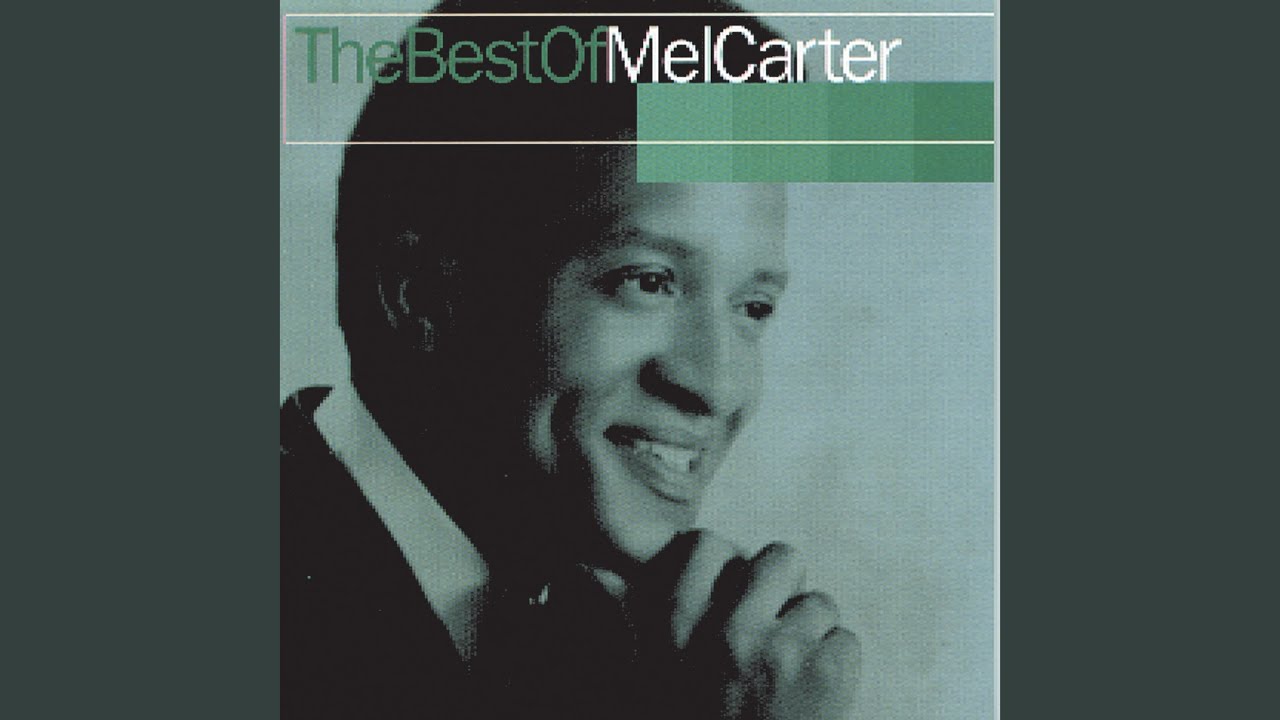
The Velvet Climb of (All Of A Sudden) My Heart Sings by Mel Carter Picture a smoky autumn evening in late 1965, the kind where the radio dial glows amber and…
01 The Story
The Velvet Climb of "(All Of A Sudden) My Heart Sings" by Mel Carter
Picture a smoky autumn evening in late 1965, the kind where the radio dial glows amber and a single tenor voice can stop a kitchen full of chatter cold. That voice belonged to Mel Carter, a singer from Cincinnati who had spent years working the edges of gospel and soul before the pop world finally leaned in. When his reading of "(All Of A Sudden) My Heart Sings" drifted out of car speakers and transistor radios that season, it carried the unhurried warmth of a man who knew exactly how to hold a note and let it bloom.
A Singer Who Earned His Polish
By the time this record landed, Carter was no overnight discovery. He had already scored his career-defining smash earlier in 1965 with his lush version of "Hold Me, Thrill Me, Kiss Me," a top-ten triumph that established him as a master of the romantic ballad. That success gave him both leverage and expectation. Audiences now wanted more of that honeyed, string-draped intimacy, and labels were eager to supply it. Carter recorded for Imperial Records during this fertile stretch, and the company clearly understood that his gift lay in tenderness rather than swagger.
An Old Melody Reborn
The song itself had history long before Carter touched it. "My Heart Sings" traced its roots to a French melody from the early 1940s, reworked with English lyrics, and it had already been a hit for other voices in earlier decades. What Carter brought was a 1960s gloss: cushioned orchestration, a gentle backbeat, and a vocal that swelled and receded like breathing. He did not reinvent the tune so much as wrap it in the plush production fashionable in the mid-decade, when soul singers were increasingly being framed by sweeping arrangements aimed at the broadest possible audience.
A Modest but Real Chart Run
The record found its audience steadily rather than explosively. It debuted on the Billboard Hot 100 at number 75 on October 30, 1965, and from there it climbed with quiet persistence: into the sixties, then the forties, gathering momentum week by week. It reached its peak of number 38 during the week of December 4, 1965, and in total it spent seven weeks on the Hot 100. That was a respectable showing, if not a blockbuster, and it confirmed that Carter could place a tender ballad on the national chart even when it was not a fresh composition.
Where It Sits in the Story
In the broad arc of Carter's career, this single functions as a graceful coda to his most visible year. He never matched the heights of his biggest hit, and like many soul-leaning balladeers of the era he eventually saw the pop charts move toward harder, funkier, more rhythm-driven sounds as the decade closed. Yet his catalog of romantic standards has aged with surprising dignity. He continued performing for decades, and his warm, controlled tenor remained a calling card. This recording stands as one of his final visits to the Hot 100, a reminder of how persuasively he could sell devotion in under three minutes.
The Craft Beneath the Sweetness
It is worth pausing on how much technique hides inside a record this gentle. Carter never rushes a phrase, letting each line settle before the next begins, and that patience creates the sense of a man savoring his own happiness. The dynamic shifts are subtle but real, building from a near-whisper in the verses to a full, open-throated swell as the orchestration rises beneath him. Singers with lesser control tend to oversell a song like this, smothering it in vibrato or volume. Carter does the opposite, trusting the melody and his own warmth to carry the emotion. That discipline is exactly why the recording has aged better than many flashier hits of the period, and why students of vocal phrasing still find plenty to admire in it.
Why It Still Glows
What makes the track worth revisiting is its sheer lack of cynicism. There is no irony here, no wink, just a singer fully committed to the idea that love can arrive suddenly and rearrange a whole inner world. The arrangement supports him without ever upstaging him, and the result feels timeless rather than dated. Press play and let the strings rise underneath him; it is the sound of an era that still believed a ballad could say everything.
"(All Of A Sudden) My Heart Sings" — Mel Carter's singular moment on the 1960s charts.
02 Song Meaning
Inside the Sudden Joy of "(All Of A Sudden) My Heart Sings"
Some love songs argue their case; this one simply surrenders to it. The whole premise of Mel Carter's 1965 reading is captured in its parenthetical title, the idea that affection does not announce itself in advance. It ambushes you. One ordinary moment a heart is quiet, and the next it is singing, and the lyric spends its brief runtime marveling at that transformation rather than explaining it.
The Theme of Unexpected Awakening
At its core the song is about emotional surprise. The lyrics describe a feeling that overtakes the narrator without warning, turning the mundane world suddenly luminous. The central image is of an inner song breaking loose, the heart itself becoming an instrument that cannot stay silent. It is a deliberately uncomplicated sentiment, and that simplicity is the point. Carter is not narrating a complicated relationship; he is capturing the first electric instant of falling, the way a single glance can rewrite an entire afternoon.
A Voice Built for Devotion
The emotional message rides almost entirely on delivery. Carter's tenor carries a churchy warmth rooted in his gospel background, and he applies it to romance with complete sincerity. There is no distance between the singer and the sentiment. When the arrangement swells, his voice swells with it, so the listener experiences the rising joy as a physical sensation rather than an abstract idea. That fusion of voice and feeling is what lifts a slight lyric into something genuinely moving, and it is why the performance never tips into sentimentality.
A Song Out of Step, On Purpose
Culturally, the record arrived at a fascinating crossroads. By late 1965 the charts were crackling with British Invasion energy and the first stirrings of psychedelia, yet here was a plush, old-fashioned ballad built on a melody from decades earlier. Its very softness was a kind of statement, a reassurance that amid all the era's turbulence there was still room for unguarded romanticism. For listeners who found the new rock sounds jarring or frantic, Carter offered comfort and continuity, a hand extended across the noise.
Why Listeners Held It Close
The song resonated because almost everyone recognizes the experience it describes. The sudden, irrational lift of new affection is close to universal, and Carter performs it without irony or hesitation. He trusts the feeling completely, and that trust invites the listener to do the same. There is real generosity in a performance this open, a willingness to look slightly foolish for the sake of honesty. Decades later the recording still works as a small, sincere celebration of the moment love arrives uninvited and refuses to be quiet, and that is a sentiment no era ever truly outgrows.
→ More from Mel Carter
View all Mel Carter hits →


→ More from the 1960s File
View all 1960s hits →




Keep digging