The 1960s File Feature
Five Brothers
Five Brothers by Marty Robbins: A Western Tale From a Master Storyteller Picture the wide-open spaces of the American West, the dust of a hard ride, and a ba…
01 The Story
"Five Brothers" by Marty Robbins: A Western Tale From a Master Storyteller
Picture the wide-open spaces of the American West, the dust of a hard ride, and a balladeer with a warm, clear voice spinning a tale of family, danger, and the frontier. Marty Robbins was the great cinematic storyteller of country music, and at the dawn of the 1960s he was riding high on a wave of Western-themed success. This song belonged to that vivid chapter, a narrative built around the kind of frontier drama that Robbins made his specialty.
The King of the Western Ballad
By 1960, Marty Robbins had become one of country music's most distinctive voices, beloved for his rich tone and his gift for storytelling. He had just enjoyed enormous success with his Western-themed material, a run that established him as the genre's premier teller of frontier tales. His songs unfolded like miniature films, complete with vivid characters, high stakes, and the sweeping romance of the Old West. Few artists could match his ability to transport listeners to another time and place.
Robbins was a versatile performer who moved easily between styles, from rockabilly to pop to traditional country, but it was his cowboy ballads that defined his legacy. This song arrived during that fertile creative period, riding the momentum of his Western breakthrough. It showcased the storytelling instincts that made him a giant of the genre, a singer who understood that a great country song could be a great story above all else.
A Frontier Story in Song
The track is built around a narrative, the kind of character-driven tale that was Robbins's trademark. The song spins a Western story of brothers and the dangers of frontier life, painting its scenes with the vivid detail of a born storyteller. That narrative approach set Robbins apart, turning a three-minute song into a complete dramatic arc with stakes and consequence.
Musically, the arrangement carries the warm, acoustic-driven sound of Robbins's Western material, with gentle guitar work framing his expressive vocal. There is a cinematic quality to the production, the sense of a story being told around a campfire under a vast sky. The whole record reflects the romantic vision of the West that Robbins did so much to popularize in song.
A Brief Chart Appearance
On the Billboard Hot 100, the single was a brief visitor. It debuted at number 95 on September 12, 1960, and climbed over the following weeks. It reached its peak of number 74 during the week of September 26, 1960, and spent 4 weeks on the chart. The modest numbers reflected a song that lived more comfortably within Robbins's country audience than on the broader pop chart.
Robbins's commercial strength always lay in his albums and his standing among country and Western fans, who prized his storytelling above all. A short Hot 100 run was typical for his more narrative-focused material, which thrived among listeners drawn to his cinematic vision rather than mainstream pop trends. The brief appearance took nothing away from the song's place in his rich catalog.
It is worth remembering that the all-genre chart of 1960 was dominated by pop and early rock and roll, a landscape where a story-driven Western ballad was always going to be a niche entry. That the song charted at all spoke to Robbins's broad appeal and the loyalty of an audience that followed him wherever his storytelling led. His fans valued the journey he took them on more than any chart position.
Part of a Storied Legacy
Marty Robbins remained one of country music's most beloved figures until his death in 1982, leaving behind a vast body of work celebrated for its storytelling and warmth. His Western ballads earned him a permanent place in the genre's history, influencing generations of artists who followed. Songs like this one capture the narrative artistry that defined his singular career.
Press play and let Robbins carry you out to the frontier, where every song is a story waiting to be told.
"Five Brothers" — Marty Robbins's singular moment on the 1960s charts.
02 Song Meaning
The Meaning Behind "Five Brothers" by Marty Robbins
This song is a frontier narrative, a Western tale of family, loyalty, and the dangers of life on the edge of civilization. True to Marty Robbins's storytelling style, it uses the imagery of the Old West to explore themes of brotherhood and survival. The meaning lives in the story itself, a dramatic vignette of a vanished, romanticized America.
Family and Brotherhood
At its core, the song concerns the bonds of family. The theme of brotherhood anchors the narrative, exploring the loyalty and shared fate of siblings facing the hardships of frontier life. That focus on family ties gave the song an emotional weight beyond mere adventure, grounding the Western drama in relationships listeners could understand and care about. Brotherhood becomes both the subject and the heart of the tale.
The Romance of the Old West
The song trades in the powerful mythology of the American frontier. It evokes the danger, freedom, and rugged romance of the Old West, a setting that held enormous appeal for mid-century audiences. That mythologized vision of cowboys and open country was central to Robbins's appeal, offering listeners an escape into a world of adventure and moral clarity. The West became a stage for timeless human dramas.
Storytelling as Tradition
The song belongs to the long tradition of the narrative ballad. It carries forward the ancient practice of telling stories through song, a form that stretches back centuries. Robbins was a modern master of that craft, and the song demonstrates his understanding that music could preserve and dramatize tales the way folk balladeers always had. The meaning is bound up in that act of storytelling itself.
Survival and Hardship
Running beneath the adventure is a sober awareness of the frontier's harshness. Life on the edge of civilization demanded courage and sacrifice, and the song does not shy away from the dangers its characters face. That undercurrent of risk gave the romantic Western imagery real stakes, reminding listeners that the freedom of the frontier came at a steep price. The tale balances its sense of adventure with an honest acknowledgment of how perilous that world could be, and that tension gives the story its dramatic weight.
Why It Resonated
The song connected with Robbins's audience because it delivered exactly the kind of vivid, dramatic storytelling they loved. For fans of his Western material, it offered another absorbing tale set in the mythic frontier, complete with the family drama and danger that made his songs so compelling. It reminded listeners of the power of a well-told story, and it showcased the warm, expressive voice that brought his tales to life. That mastery of the narrative ballad is why Robbins remained a beloved figure for so long.
→ More from Marty Robbins
View all Marty Robbins hits →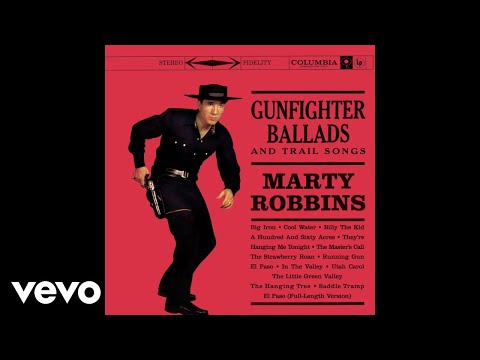



→ More from the 1960s File
View all 1960s hits →




Keep digging