The 1960s File Feature
Devil Woman
"Devil Woman" — Marty Robbins Crosses the Genre Border, 1962 The Man from Arizona By the summer of 1962, Marty Robbins had already secured his place in Ameri…
01 The Story
"Devil Woman" — Marty Robbins Crosses the Genre Border, 1962
The Man from Arizona
By the summer of 1962, Marty Robbins had already secured his place in American music history with a series of recordings that blended country music, cowboy balladry, and pop craft into something genuinely distinctive. His 1959 album Gunfighter Ballads and Trail Songs had produced the colossal hit "El Paso," a song so cinematic that it won him a Grammy Award and spent seven weeks at the top of the charts. Few artists coming off such a triumph would have looked to pivot, but Robbins was restless and constitutionally unwilling to repeat himself. He had always loved a wide range of sounds, from Hawaiian-inflected pop to rockabilly to pure country crooning, and when the early 1960s brought a new appetite for narrative pop songs with dramatic flair, he was ready to meet it.
A Tale of Temptation and Regret
The song that became "Devil Woman" drew on the kind of storytelling that had made "El Paso" such a sensation: a clear narrative arc, a vivid cast of characters, and a moral drama at the center. The story concerns a man who strays from the woman who loves him, seduced by someone described as dangerous and beguiling. The narrator knows what he is doing is wrong even as he does it. Robbins delivered this with the confessional tone he had perfected, a voice full enough to carry the guilt and smooth enough to make the listener sympathize anyway. Columbia Records released the single in the summer of 1962, confident it could cross from country airplay into the broader pop market.
Climbing the Pop Ladder
The chart story of "Devil Woman" is one of genuine momentum. Debuting on the Billboard Hot 100 on July 28, 1962 at position 86, it climbed steadily week by week through the summer heat: 70, then 49, then 33, then 23. By September 8, 1962, the track had reached its peak position of number 16, completing an eleven-week run on the chart. That kind of sustained climb across eleven weeks reflected real radio traction, audiences discovering the song through repeated airplay and word of mouth rather than a single burst of promotional energy. For a country artist in 1962, cracking the top twenty of the Hot 100 was no small accomplishment; it meant competing with the emerging surf sound, the girl group movement, and the last gasps of early rock and roll.
Between Nashville and the Pop Mainstream
What made "Devil Woman" work in the broader pop market was Robbins's production instinct and his own vocal authority. The arrangement gave the song enough forward momentum, lightly amplified guitars, a measured rhythm track, a clean melodic hook in the chorus, to function as pop without abandoning the narrative traditions of country music. Robbins had always been drawn to songs that told complete stories, and this one delivered its dramatic arc in classic three-act form: temptation, fall, and regret. The Nashville sound of the early 1960s was at that moment making deliberate overtures to the pop audience, softening the rougher edges of country production, and "Devil Woman" fits squarely into that crossover strategy.
A Place in the Robbins Catalog
Marty Robbins would continue charting for years after 1962, with a career that stretched productively into the 1980s. But this period, the years immediately following "El Paso," represents him at his most commercially ambitious in the pop arena. "Devil Woman" proved that his success was not an accident of a single novelty hit but part of a genuine ability to reach broad audiences with emotionally direct storytelling. The track remains a clean example of what country pop crossover sounded like at its most effective. Pull it up and hear what 1962 radio could do with a good story and a voice that knew exactly how to tell it.
"Devil Woman" — Marty Robbins's singular moment on the 1960s charts.
02 Song Meaning
"Devil Woman" — Moral Ambiguity and the Classic Narrative Ballad
The Seduction Narrative in Country Tradition
The figure of the dangerous woman in American popular song is older than the recording industry itself. She appears in murder ballads, blues compositions, and honky-tonk laments as a recurring symbol for the forces that pull a man away from domestic stability and moral order. Marty Robbins's "Devil Woman" operates directly within this tradition, presenting a narrator who understands his own weakness but cannot entirely resist it. The song does not attempt to rehabilitate or explain this figure; she is described through the narrator's experience of her power over him, which is more emotionally honest than a more analytical approach would be. The listener feels the pull because the narrator describes it without fully understanding it himself.
Guilt as a Central Emotion
What separates the song from simpler cautionary tales is the weight of guilt the narrator carries. He has someone at home who loves him faithfully, and the contrast between that loyalty and his own behavior is made explicit rather than softened. The emotional register is one of self-awareness without self-redemption, a man who knows he is doing wrong, articulates that knowledge clearly, and continues anyway. This is psychologically complex for a pop song of its era. The early 1960s were not known for nuanced portrayals of male infidelity in hit singles, and Robbins's willingness to sit in that uncomfortable moral space, neither excusing the narrator nor turning him into a cartoonish villain, gives the song its staying power.
The Era and Its Anxieties
In 1962 the American cultural conversation was grappling with changing ideas about gender, fidelity, and personal freedom. The postwar domesticity of the 1950s was beginning to show its cracks. Popular culture still celebrated the ideal of the stable home while simultaneously producing art that acknowledged how difficult it was to sustain. "Devil Woman" lives in that tension, presenting the suburban ideal (the faithful woman waiting at home) as something real and valuable precisely because it is being betrayed. The song's moral gravity depends on the listener accepting that what is being risked actually matters.
Robbins's Storytelling Craft
Part of what makes the song's themes land with such clarity is the economy of Robbins's narrative technique. He establishes the situation in the opening verses, develops the emotional conflict through the chorus, and delivers the reckoning with enough dramatic weight to feel earned rather than arbitrary. There are no wasted lines. The production choices reinforce this: nothing in the arrangement competes with the story being told. The voice is always the focal point, and the story always drives forward. This is the country tradition at its most purposeful, using the three-minute single format with the precision of a skilled short story writer.
Enduring Resonance
The themes at the heart of "Devil Woman" have not dated because the emotional experience it describes has not dated. Temptation, guilt, the gap between who we are and who we wish we were: these are not period concerns. Listeners in the 1960s heard the song through a particular cultural lens, but the underlying emotional truth remains accessible in any era. Robbins never moralizes aggressively, never lectures. He simply presents the situation with clarity and lets the emotional weight accumulate naturally. That restraint is what lifts the song above its era and keeps it worth listening to now.
→ More from Marty Robbins
View all Marty Robbins hits →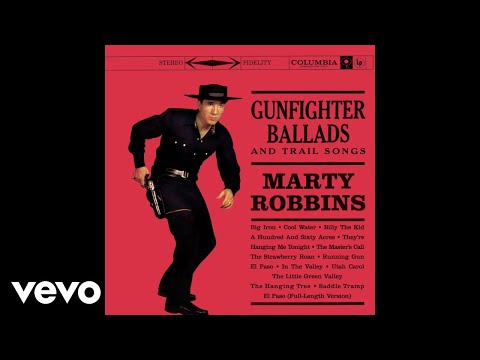


→ More from the 1960s File
View all 1960s hits →




Keep digging