The 1960s File Feature
Losing Your Love
Losing Your Love by Jim Reeves Settle into the warm, velvety world of early-1960s country music, a place of smooth arrangements and crooning baritones, and y…
01 The Story
"Losing Your Love" by Jim Reeves
Settle into the warm, velvety world of early-1960s country music, a place of smooth arrangements and crooning baritones, and you will find Jim Reeves at its very center. Known to fans as Gentleman Jim, he possessed one of the most soothing voices in American music, and this tender ballad showcases the silky, sophisticated style that made him a beloved figure on both the country and pop charts during one of the genre's most elegant eras.
The Voice of the Nashville Sound
Jim Reeves was a defining figure of the so-called Nashville Sound, the smooth, pop-influenced style of country music that emerged in the late 1950s and early 1960s. Moving away from the rougher honky-tonk tradition, this approach favored lush string arrangements, soft backing vocals, and an emphasis on warm, intimate singing. Reeves was perhaps its greatest practitioner, his rich baritone perfectly suited to the genre's elegant, crossover-friendly aesthetic. He had already become a major star by the time of this recording, with a string of hits to his name.
A Ballad of Quiet Heartache
This song fits squarely within Reeves's signature style, a gentle ballad delivered with his characteristic smoothness and emotional restraint. His voice glides over the arrangement with effortless control, conveying deep feeling without ever resorting to melodrama. The production wraps his vocal in the soft, sophisticated textures of the Nashville Sound, creating the kind of intimate, late-night atmosphere that made his records perfect companions for solitary reflection. It is country music at its most refined and accessible.
A Modest Pop Chart Appearance
On the pop chart, the single had a brief run. It debuted on the Billboard Hot 100 on November 6, 1961, at number 100, and over the following weeks edged upward to peak at number 89 during the week of December 11, 1961, spending a total of three weeks on the chart. These modest pop numbers tell only part of the story, however. Reeves's true stronghold was the country chart, where his smooth ballads regularly thrived, and a crossover appearance on the pop tally represented a bonus rather than the main measure of his success.
The Nashville Sound in Context
It helps to understand the revolution that produced records like this one. By the late 1950s, country music faced an existential threat from the rise of rock and roll, which was luring away its younger audience. The response from Nashville's leading producers was to smooth out the genre's rougher edges, replacing fiddles and steel guitars with lush strings and soft choral backing, creating a sound that could compete on the pop charts. Reeves became the perfect embodiment of this approach, his velvet voice ideally suited to the refined new style. This recording belongs to that era of crossover ambition, a moment when country music reinvented itself to survive and thrive.
A Legacy Cut Tragically Short
Jim Reeves's career was tragically ended in 1964 when he died in a plane crash at the height of his popularity. Remarkably, his recordings continued to chart for years afterward, a testament to the enduring appeal of his voice and the deep affection his audience held for him. He remains one of the most revered figures in country music history, his smooth, comforting style influencing generations of singers who followed in his footsteps.
Why It Still Soothes
For lovers of classic country and the elegant Nashville Sound, this ballad offers everything that made Reeves so cherished, a warm voice, a gentle melody, and an atmosphere of quiet emotional depth. There is a timeless comfort in his singing that transcends eras. Press play, let that velvety baritone wash over you, and you will understand why Gentleman Jim earned his place among the most beloved voices country music ever produced. The comfort in his singing has outlasted the decades, as soothing now as it ever was.
"Losing Your Love" — Jim Reeves's singular moment on the 1960s charts.
02 Song Meaning
The Meaning Behind "Losing Your Love"
This is a song about heartbreak and the quiet pain of a fading relationship, a theme as old as country music itself. Its meaning resides in the gentle sorrow of watching love slip away, rendered through the smooth, restrained delivery that was Jim Reeves's trademark. It is a study in dignified heartache, emotion expressed with grace rather than anguish.
The Ache of Slipping Away
The title itself tells the story, the gradual, painful awareness that a beloved's affection is disappearing. The lyric dwells on that slow erosion of love, the helpless feeling of watching something precious fade despite your best efforts to hold on. It captures a particular kind of sorrow, not the explosive grief of sudden loss but the quieter, lingering ache of a relationship cooling over time.
Restraint as Emotional Power
What distinguishes the song is its emotional restraint. Rather than wailing or pleading, Reeves delivers the heartache with smooth, controlled grace, letting the feeling emerge through subtlety rather than force. That dignified approach was central to the Nashville Sound, and it gives the sorrow a mature, understated power. The pain feels deeper precisely because it is held in check, expressed by a voice that refuses to break.
The Comfort of Shared Sadness
Country music has always excelled at giving voice to heartache, offering listeners a sense of companionship in their sorrow. A song like this one works as a balm, assuring the brokenhearted that their feelings are understood. The smooth, comforting delivery transforms private pain into something shared and bearable, a quality that made Reeves's records cherished companions during difficult times.
The Slow Fade of Love
Part of what makes the song so affecting is its focus on gradual loss rather than sudden rupture. Many heartbreak songs deal with betrayal or a dramatic ending, but this one captures the subtler agony of a love that simply cools over time, slipping away by degrees until little remains. That slow erosion is perhaps more familiar to most people than any single shattering moment, and the song's attention to it lends a quiet realism. It understands that love often dies not in a single blow but in a long, painful fading, a truth that gives the song its quiet ache and its enduring honesty.
Why It Resonated
The song connected with listeners because it captured a universal experience with honesty and grace. Though its pop chart peak of number 89 was modest, the emotional truth at its center spoke to anyone who had loved and lost. The meaning endures because the sorrow of fading love is timeless, and few singers ever expressed it with the warmth and dignity that defined Jim Reeves at his finest.
→ More from Jim Reeves
View all Jim Reeves hits →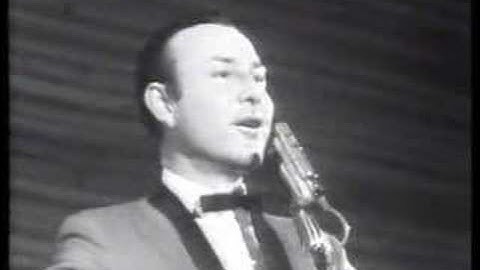




→ More from the 1960s File
View all 1960s hits →




Keep digging