The 1950s File Feature
He'll Have To Go
The Story Behind He'll Have to Go by Jim Reeves Picture the final days of 1959, the radio carrying the smooth, intimate sound of the emerging Nashville style…
01 The Story
The Story Behind "He'll Have to Go" by Jim Reeves
Picture the final days of 1959, the radio carrying the smooth, intimate sound of the emerging Nashville style, when a deep, velvety voice leans close to the microphone and turns a phone call into one of the most quietly devastating records in country history. That was "He'll Have to Go" by Jim Reeves, a masterpiece of understated emotion that would become a defining moment for the genre and the singer alike.
Gentleman Jim and the Nashville Sound
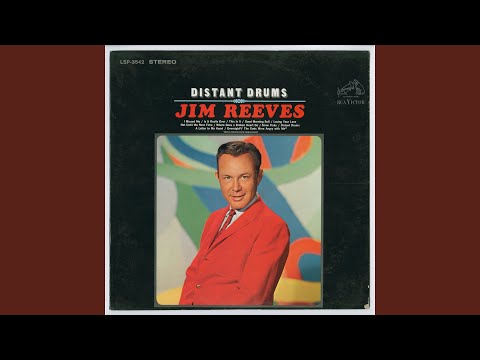
Jim Reeves was one of the central architects of the smooth, sophisticated style known as the Nashville Sound. Moving away from the rougher edges of honky-tonk, this approach emphasized lush arrangements, gentle backing vocals, and intimate, polished singing aimed at a broad audience. Reeves, nicknamed Gentleman Jim, possessed exactly the warm, resonant baritone that the style demanded, and he became one of its biggest stars.
This song became his signature recording. "He'll Have to Go" was written by Joe and Audrey Allbritten, and Reeves recorded it in a famously intimate style, singing softly and close to the microphone to create a hushed, conversational feel. That recording technique was central to the song's emotional power, drawing the listener into a private, vulnerable moment.
Intimacy and Heartbreak
The song's premise is simple and devastating. The narrator telephones the woman he loves while she sits with another man, asking her to send the rival away so they can talk privately. The arrangement is soft and unhurried, built around gentle instrumentation and Reeves's tender, close-miked vocal. Every word feels intimate, almost whispered, as if he is speaking directly into your ear.
That intimacy is the recording's genius. By keeping everything quiet and restrained, Reeves makes the emotion feel real and immediate. The listener becomes a silent witness to a desperate, tender plea, and the understated delivery only heightens the heartbreak at the song's core.
A Chart Phenomenon
The song became an enormous hit as it crossed into the new decade. "He'll Have to Go" debuted on the Billboard Hot 100 on December 28, 1959, at number 58, the chart appearance recorded here. From there it would go on to become one of the biggest records of its time, climbing high on both the pop and country charts and selling in tremendous numbers. It became a defining crossover success of the era.
The single's massive popularity confirmed Reeves's status as one of the most beloved voices in American music. The recording stands as one of the most famous examples of the Nashville Sound, a record that helped define an entire era of country and pop crossover and remains instantly recognizable decades later.
An Enduring Classic
In the story of country music, "He'll Have to Go" occupies a hallowed place. It became Jim Reeves's signature song and one of the most enduring recordings of the Nashville Sound era. Reeves's life was tragically cut short in a plane crash in 1964, but his music, and this song in particular, has endured as a touchstone of the genre's golden age.
Today the recording draws roughly 1 million YouTube views, a steady audience for its timeless intimacy. It endures as a masterclass in understated emotion and one of the great vocal performances in country history. The song has been covered by countless artists across many genres, a testament to the strength of both its melody and its emotional premise, yet Reeves's original remains the definitive version against which all others are measured.
Press play and lean in close, just as Reeves intended, to feel the quiet heartbreak of this enduring classic, a song whose hushed intimacy has lost none of its power in the many decades since it was recorded, and which still stands among the finest examples of the art of restrained, emotional singing.
"He'll Have to Go" — Jim Reeves's singular moment on the 1950s charts.
02 Song Meaning
The Meaning of "He'll Have to Go" by Jim Reeves
This song is a tender, desperate plea from a man trying to win back the woman he loves. Its central scene is a phone call: the narrator asks his love to send away the other man at her side so the two of them can speak privately and honestly. The whole song is an intimate appeal for a second chance.
A Desperate, Tender Plea
The lyrics unfold as one side of a phone conversation, with the narrator asking his love to dismiss the rival who is with her. The central theme is the longing to reclaim a relationship that is slipping away, expressed through a quiet, heartfelt request. The narrator is not angry; he is vulnerable, hoping to reach her before it is too late.
That vulnerability gives the song its emotional weight. The plea is gentle but urgent, capturing the desperation of someone who senses he may be losing the person he loves most.
Intimacy as the Emotional Core
The hushed, close-miked delivery is essential to the meaning. The emotional message is one of tender desperation, made all the more powerful by its quiet, intimate tone. Reeves sings softly, as if confiding a secret, drawing the listener into the private heartbreak of the moment.
This intimacy is what makes the song so devastating. The restraint conveys deep feeling more effectively than any dramatic outburst could, letting the quiet ache speak for itself.
A Reflection of Its Era
Released at the close of the 1950s, the song embodies the emerging Nashville Sound. It reflects the era's move toward smooth, sophisticated, emotionally intimate country music aimed at a wide audience. Its polished tenderness helped define what country crossover success could sound like.
Why It Endures
The song endures because its emotion is timeless and universal. Everyone understands the fear of losing someone they love and the longing to win them back, and the song captures that feeling with rare intimacy. Its quiet power continues to move listeners across generations, proving that a whispered plea can be more devastating than any shout, and that the deepest emotions are often best expressed in the quietest of voices.
There is also a subtle complexity beneath the surface. The narrator's request reveals both his deep love and his quiet desperation, and listeners may sense the uncertainty of whether his plea will succeed. That open-ended tension, the not knowing how she will respond, adds a layer of suspense to the heartbreak and keeps the song emotionally gripping with every listen.
That combination of tender vulnerability and intimate delivery is why "He'll Have to Go" remains one of the most beloved and enduring songs in country music history.
→ More from Jim Reeves
View all Jim Reeves hits →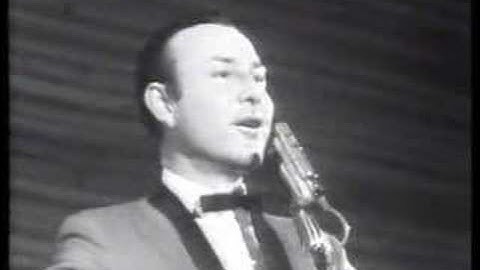



→ More from the 1950s File
View all 1950s hits →


Keep digging