The 1960s File Feature
I Guess I'm Crazy
I Guess I'm Crazy by Jim Reeves Picture a late-summer evening in 1964, the radio dial warm under your fingers, a velvet baritone drifting out of the speaker …
01 The Story
"I Guess I'm Crazy" by Jim Reeves
Picture a late-summer evening in 1964, the radio dial warm under your fingers, a velvet baritone drifting out of the speaker like smoke from a back-porch cigarette. That voice belonged to Jim Reeves, and by the time "I Guess I'm Crazy" began climbing the pop charts, it carried a weight that ordinary songs simply do not. America was learning to grieve one of its most beloved singers in real time, and the gentle ache of this record made the loss feel even more intimate. Nashville had built an entire sound around men like Reeves, and here was that sound at its most tender and unguarded.
A Voice From the Heart of Nashville
By 1964, Jim Reeves had already reshaped what country music could be. He came up as a radio announcer and a baseball hopeful before his career swung decisively toward singing, and his smooth, low, almost conversational delivery helped define what people came to call the Nashville Sound. That style traded fiddles and steel-guitar twang for lush strings, soft background choruses, and an unhurried elegance that crossed effortlessly onto pop radio. Reeves was a star not only in the United States but across Europe, Africa, and beyond, a genuine international ambassador for a genre that rarely traveled so far. His earlier hits had proven that a country crooner could sit comfortably beside the smooth pop balladeers of the day.
The Sound of Quiet Devotion
"I Guess I'm Crazy" lives in that hushed, late-night register Reeves made his own. The arrangement breathes rather than pushes, letting his voice carry the entire emotional load while soft strings and a feathered chorus cushion every phrase. There is no showmanship here, no big finish reaching for the rafters. Instead the song leans into a kind of bruised honesty, a man admitting he keeps loving someone who has already turned away. The production glistens with restraint, the kind of tasteful, unhurried craft that the best Nashville studios could summon at the time. The track was issued on RCA Victor, the label that housed Reeves for the most celebrated stretch of his career, and its polish reflects that pedigree.
A Bittersweet Chart Climb
The single arrived on the Billboard Hot 100 as a quiet, late-blooming entry rather than an instant smash. "I Guess I'm Crazy" debuted on August 22, 1964 at number 91, lingering in the lower reaches before stirring back to life that autumn. It reached its peak of number 82 on October 3, 1964, and it spent five weeks on the Hot 100 in total. Those are modest numbers on the pop side of the ledger, yet they tell only part of the story. On the country charts the song fared dramatically better, the kind of result that confirmed Reeves remained a towering presence in his home genre even as pop audiences sampled him more cautiously. The Hot 100 was always the harder room for a country balladeer, and a respectable showing there was no small feat.
A Legacy Sealed by Loss
What gives this record its particular poignancy is timing. Jim Reeves died in a small-plane crash near Nashville on July 31, 1964, only weeks before this single reached its widest audience. Listeners across the country were absorbing the news that the voice they loved had been silenced, and a song about heartbreak and helpless devotion suddenly read like a farewell. Reeves was just forty years old when he died, and the wave of posthumous releases that followed kept his catalog alive on the charts for years. "I Guess I'm Crazy" sits inside that bittersweet chapter, a reminder of how much warmth a single human voice can hold. For longtime fans, hearing it again is a small act of remembrance.
Why It Still Lingers
Decades on, the song endures as a touchstone for anyone who treasures the gentler, more romantic side of mid-century country. It rewards a patient, late-night listen, the lights low and the world quiet. Press play and let that unmistakable baritone settle over you, and you start to understand why Jim Reeves earned the nickname Gentleman Jim. The grief in the melody is real, but so is the comfort.
"I Guess I'm Crazy" — Jim Reeves's singular moment on the 1960s charts.
02 Song Meaning
The Meaning Behind "I Guess I'm Crazy"
At its core, this is a song about the kind of love that refuses to be reasoned with. The narrator knows full well that the person he longs for has slipped away, and yet he keeps right on caring, keeps right on hoping. The title itself is a wry confession, a man half-mocking his own inability to move on. There is humility in that admission, and a quiet ache that anyone who has ever held on too long will recognize instantly.
The Helpless Logic of the Heart
The central theme is devotion that survives rejection. Rather than rage or bitterness, the lyric offers something softer: bewilderment at one's own loyalty. The narrator paraphrases his predicament almost gently, suggesting that perhaps he must be foolish to keep loving someone who no longer loves him back. That self-deprecating honesty is the emotional engine of the song, and it is what separates it from a simple weeper. He is not asking for pity so much as marveling, sadly, at the stubbornness of his own heart.
A Mood of Tender Resignation
Reeves delivers the message not with desperation but with a calm, almost resigned warmth. The arrangement supports that mood, wrapping the confession in soft strings and an unhurried tempo that feels like a long exhale. The emotional register is acceptance rather than protest, the sound of a man who has made peace with his own longing even as it quietly wounds him. That restraint is precisely why the song feels so adult and so true. There is no villain in this story, no accusation hurled, only a man turning his disappointment over in his hands and finding it has worn smooth.
The Nashville Sound as Comfort
Culturally, the record sits at the heart of the early-1960s Nashville Sound movement, when country music smoothed its rougher edges to win over pop and adult audiences. Reeves was one of the central architects of that crossover, and songs like this one showed how a country heartbreak could be dressed in elegant, almost orchestral clothing. For listeners weary of louder, brasher pop, that polished tenderness offered a refuge, a place where feelings could be large without being loud. The era prized this kind of grace, and Reeves embodied it as well as anyone alive.
Why It Resonated
The song struck a chord because it names a universal experience without overstating it. Everyone has, at some point, kept a flame burning for someone who had already walked away. The grief surrounding Reeves's sudden death deepened that connection, turning a tender ballad into something closer to a goodbye. Listeners heard their own quiet heartbreaks reflected back at them, and they heard, too, the unbearable poignancy of a voice that had just been stilled. Today it endures as a portrait of love at its most stubborn and forgiving, proof that a quiet song, sung honestly, can outlast far flashier hits.
→ More from Jim Reeves
View all Jim Reeves hits →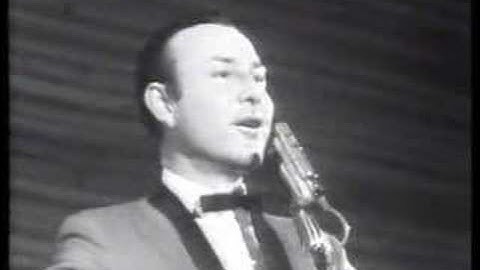

→ More from the 1960s File
View all 1960s hits →




Keep digging