The 1960s File Feature
Walkin' In The Rain
Walkin' In The Rain — Jay and The Americans at the Close of a Decade A Group in Their Final Commercial Season By 1969, Jay and The Americans had been a worki…
01 The Story
Walkin' In The Rain — Jay and The Americans at the Close of a Decade
A Group in Their Final Commercial Season
By 1969, Jay and The Americans had been a working pop act for nearly a decade, and the texture of the music landscape around them had changed almost beyond recognition since their early-1960s commercial peak. The British Invasion had remade pop's aesthetic vocabulary, psychedelia had briefly colonized the mainstream, and by the end of the decade Woodstock and the rise of album-oriented rock were pointing toward a future in which the polished vocal group sound that Jay and the Americans had mastered was rapidly becoming nostalgic currency rather than a cutting-edge commercial proposition. That context makes their late-1969 chart presence with Walkin' In The Rain all the more interesting as a testament to the group's resilience and the durability of their audience connection.
A Title With History
The title Walkin' In The Rain arrived carrying considerable baggage from The Ronettes' 1964 recording, which had been a significant pop hit and a piece of genuinely influential Phil Spector-produced girl-group pop. Jay and The Americans were operating in full awareness of that association, and their version was designed to establish its own identity rather than simply trade on the earlier record's memory. The arrangement reflected the gentler, more introspective pop sensibility of 1969 rather than the Wall of Sound grandeur of the mid-1960s, giving the familiar title a new emotional texture appropriate to a different moment in the decade's musical evolution.
Chart Journey at Year's End
The single debuted on the Billboard Hot 100 on November 22, 1969, at position 89. From there it climbed steadily: 80 in the second week, 79, then 74, then 69, before reaching its peak of 54 on December 27, 1969, the final Saturday of the decade as it turned out. Six weeks on the chart, with the peak arriving right at the decade's close, gave the song a certain elegiac quality in retrospect. Jay and The Americans were ending the 1960s on the charts, a decade in which they had spent considerable time.
The Sound of Late-1960s Pop Craftsmanship
The group's recordings throughout their career had been marked by Jay Black's powerful tenor lead, a voice capable of driving an arrangement forward with the kind of confident authority that the pop-orchestral style demanded. Walkin' In The Rain showcased that voice in a setting that had evolved from the early-1960s approach, incorporating production elements that acknowledged the sonic changes of the intervening years while remaining authentically connected to the group's established identity. The result was a record that sounded contemporary enough for 1969 while never losing sight of what had made the group worth listening to in the first place.
Persistence and Pride
Jay and The Americans would largely step back from the commercial pop front lines as the 1970s began, but their catalog continued to find audiences through oldies radio and nostalgia tours. Walkin' In The Rain stands as one of their final gestures toward the mainstream chart, a group that had been making records since the early 1960s still finding their footing on the Billboard Hot 100 as the decade ended. Turn it on now and you hear a group at the tail end of their commercial run playing with full conviction, ending their Hot 100 story the way they had lived most of it: with their heads up. The six-week chart life, peaking at 54, was a respectable final chapter for a group that had been making real contributions to American pop for the better part of a decade.
What Survival in a Changing Decade Required
The 1960s demanded adaptability from any act that wanted to remain commercially viable across the full span of the decade. The sounds and styles that had worked in 1962 were, by 1969, dramatically out of step with the dominant currents of rock and folk music. Jay and The Americans stayed alive commercially by finding the spaces in that changing landscape where their strengths still resonated. The late-decade ballad format was one such space, and their willingness to operate within it rather than force a more dramatic reinvention served them well in these final years of chart relevance.
"Walkin' In The Rain" — Jay and The Americans' singular moment on the 1960s charts.
02 Song Meaning
Memory, Melancholy, and Movement: The Meaning of "Walkin' In The Rain"
Rain as Emotional Setting
Popular music has returned to rain as a setting and metaphor with extraordinary persistence across genres and decades, and for good reason. Rain creates a particular quality of interior attention: it drives people inward, slows the pace of daily life, and produces an atmospheric melancholy that is distinct from simple sadness. The act of walking in the rain willingly rather than seeking shelter suggests a speaker so absorbed in feeling that external conditions have ceased to register as concerns. That kind of emotional immersion is what songs about heartbreak and longing have always sought to evoke, and rain provides the perfect visual correlative.
The Romantic Longing at the Core
At its emotional center, the song circles around loss and the persistence of feeling after the object of that feeling has departed. The themes of memory, absence, and the way physical settings can activate emotion are central to its lyrical content. The speaker returns, physically or imaginatively, to settings associated with a past relationship, and the rain functions both as literal environment and as emotional state: the external world matching the internal weather of grief or longing.
The Tradition of the Walking Song
There is a long tradition in popular music of songs about motion as a response to emotional turmoil. Walking, driving, and wandering are the forms of movement most often associated with thinking through difficult feelings, and songs that place their speakers in motion while emotionally processing something tend to create a sense of genuine psychological realism. The walker is neither fleeing nor arriving; they are inhabiting the space of transition, which is exactly where grief and longing live. That structural honesty gives songs in this tradition a credibility that more static emotional settings sometimes lack.
1969's Particular Emotional Temperature
The year 1969 was, culturally, a year of endings and reckonings. The idealism of the mid-decade years was visibly fraying; the violence at Altamont and the Manson murders bookended the year's conclusion with a kind of darkness that made even music press coverage turn somber. In that context, a song about walking through rain while carrying the weight of romantic loss spoke to a broader cultural mood. Navigating loss without a clear path forward was a feeling that 1969 had produced in abundance, and Jay and The Americans' record gave that feeling a form and a soundtrack that suited it precisely. The song's restraint was itself appropriate to the moment: not the full emotional overflow of earlier doo-wop balladry, but a quieter, more considered rendering of grief that matched the decade's mood at its close. That attunement to the emotional climate of the year was part of what carried the record to its December peak on the chart. Songs that know their moment tend to find their audience, and this one read 1969's emotional temperature with precision, arriving in the right key at the right time. The song served its listeners not by offering solutions to the grief and disorientation they felt, but by giving that feeling a form they could inhabit for three minutes and then carry with them afterward, which is often the most useful thing music can do. Jay and The Americans understood this instinctively, and the performance they delivered on this record honored that understanding with genuine care and skill.
→ More from Jay & The Americans
View all Jay & The Americans hits →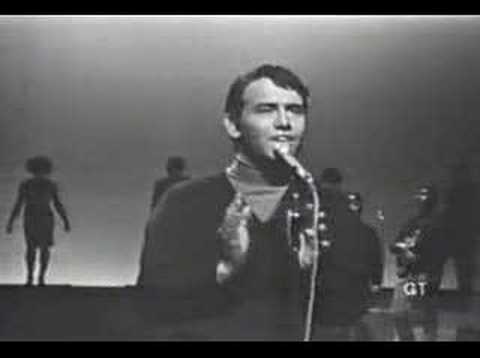

→ More from the 1960s File
View all 1960s hits →




Keep digging