The 1960s File Feature
When You Walk In The Room
Jackie DeShannon Sparkles with When You Walk In The Room Picture the bright, jangling sound of pop in early 1964, a moment when melody, harmony, and shimmeri…
01 The Story
Jackie DeShannon Sparkles with "When You Walk In The Room"
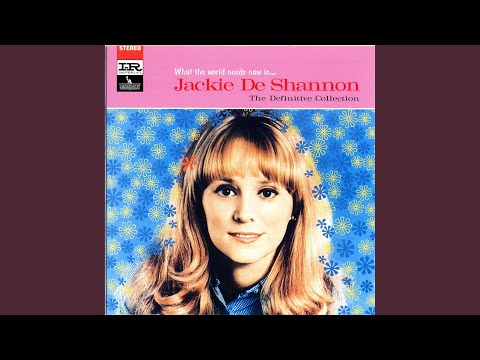
Picture the bright, jangling sound of pop in early 1964, a moment when melody, harmony, and shimmering guitars were about to define an entire era. Into that landscape came Jackie DeShannon, a gifted singer and songwriter whose talents ran far deeper than the charts always acknowledged, with "When You Walk In The Room." The song would become one of the most beloved and influential pop compositions of the decade, a jangling, romantic gem whose reach and legacy would ultimately dwarf its modest showing on the American charts.
A Songwriter Ahead of Her Time
Jackie DeShannon was one of the most talented and pioneering figures of the 1960s, a rare woman making her mark as both a performer and a serious songwriter in an industry that offered few such opportunities. Her gift for crafting melodic, emotionally resonant pop songs earned her the deep respect of her peers, even when mainstream stardom proved elusive. This song stands among her finest achievements as a writer, a composition of such quality that it would go on to influence countless artists and become a genuine standard of the era.
A Brief American Chart Appearance
On the Billboard Hot 100, her own recording made only a fleeting appearance. It debuted and peaked at number 99 on January 25, 1964, registering a single week on the chart. That modest American showing stands in striking contrast to the song's enormous artistic significance and lasting influence. The composition itself would find far greater chart success in other hands and in other markets, but her original recording remains the definitive statement of a song whose importance vastly exceeds that brief chart entry.
The Birth of a Jangle-Pop Classic
The recording is celebrated for its shimmering, guitar-driven sound, a jangling sparkle that would prove profoundly influential on the folk-rock and jangle-pop movements soon to follow. The song's bright, chiming quality and irresistible melody helped point the way toward a whole new pop aesthetic. Its craftsmanship and distinctive sound made it a touchstone for musicians who recognized in it a template for something fresh, melodic, and emotionally direct, a genuine landmark in the evolution of 1960s pop.
A Legacy Beyond the Charts
Though her own version barely registered on the American charts, the song became a lasting classic, covered by numerous artists and cherished by generations of pop enthusiasts. Its influence on the jangling guitar sound of the mid-1960s and beyond secured DeShannon's reputation as a songwriter of genuine importance. The song stands as a powerful reminder that chart position tells only part of the story, and that true artistic significance often outlasts and outshines mere commercial numbers.
Essential Listening
For anyone who loves the bright, melodic pop of the 1960s, this recording is essential. It captures a brilliant songwriter delivering one of her finest creations, a song whose sparkle and craft still shine decades later. Give it a listen and hear the sound of a classic being born, and understand why Jackie DeShannon earned her place among the era's most respected talents.
Echoes in Later Music
No song exists in isolation, and this one carries within it the influence of what came before while quietly pointing toward what would follow. The styles, sentiments, and sounds it embodies connect it to a longer continuum of popular music, one in which ideas are constantly borrowed, reshaped, and passed along. Tracing those threads is part of the pleasure of exploring chart history, revealing how each individual record fits into the vast and endlessly interconnected story of how popular music evolved across the decades.
The Listener's Verdict
In the end, what placed this song on the chart was nothing more or less than the collective decision of countless individual listeners who chose to buy it, request it, and play it again. That grassroots verdict is the truest measure of a record's contemporary appeal, a direct reflection of what genuinely moved people at the time. The song's presence on the countdown stands as evidence of real human connection, the sum of many small moments when the music found its way to someone and made them want to hear it once more.
"When You Walk In The Room" — Jackie DeShannon's singular moment on the 1960s charts.
02 Song Meaning
What "When You Walk In The Room" by Jackie DeShannon Is Really About
At its heart, this song is a joyful, breathless celebration of the dizzying rush of infatuation, capturing that electric moment when the mere presence of someone you adore transforms an entire room. It is a pure and universal expression of romantic longing, of the heart-quickening thrill that comes when the person you love simply walks into view.
The Electric Rush of Attraction
The central emotion of the song is the overwhelming, almost overpowering feeling of being smitten. The lyric captures how the beloved's entrance sends the singer's heart racing and fills the room with a kind of charged energy. The message is the pure exhilaration of infatuation, that giddy, nervous, wonderful sensation of being completely captivated by another person's presence, a feeling nearly everyone has known at some point.
Longing and Unspoken Feeling
Beneath the sparkle, the song carries a current of yearning, a sense of feelings so strong they can barely be contained or expressed. There is a beautiful tension between the intensity of the emotion and the difficulty of revealing it. The song captures the vulnerability of desire, the way overwhelming attraction can leave a person tongue-tied and breathless, hoping the object of their affection might somehow feel the same.
A Feeling for Every Generation
The song emerged during a moment when pop music was increasingly celebrating the intensity of young romance with fresh energy and melodic invention. Its themes of infatuation and longing were perfectly suited to an era that prized bright, emotionally direct pop songs about the thrills of love. The universal nature of its central feeling helped the song transcend its own time and speak to listeners across generations.
Why It Resonated So Deeply
The song connected because its central emotion is one nearly everyone recognizes. The rush of seeing someone you are crazy about, the way their presence can light up a room, is a universal human experience. Jackie DeShannon's bright, heartfelt delivery made that feeling feel vivid and immediate, capturing the sparkle and nervousness of infatuation with a directness that let listeners feel it all over again.
The Timeless Thrill of Love
Ultimately, the song endures because the feeling it captures never grows old. The exhilaration of infatuation, the electric charge of a beloved's presence, remains as powerful today as it ever was. It stands as a shimmering, joyful reminder of pop music's gift for bottling the most thrilling emotions of the human heart and making them sparkle anew for every listener who hears it.
There is also something to be said for the directness with which the song delivers its message. Rather than obscuring its meaning behind cleverness or distance, it states its feeling plainly and lets that sincerity do the work. That honesty is a large part of why the song connects, offering listeners an emotional experience they can grasp immediately and carry with them long after the music fades.
→ More from Jackie DeShannon
View all Jackie DeShannon hits →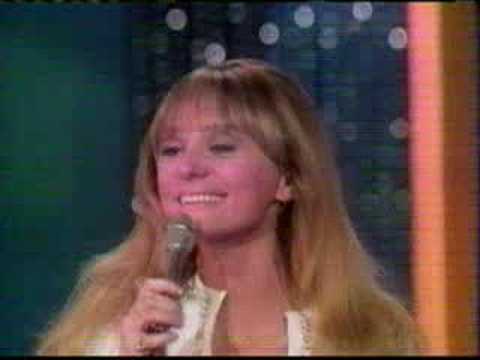


→ More from the 1960s File
View all 1960s hits →




Keep digging