The 1960s File Feature
What Now My Love
Herb Alpert The Tijuana Brass Reimagine What Now My Love It's the mid-1960s and American pop radio is a riot of sounds: British invasion guitars, Motown groo…
01 The Story
Herb Alpert & The Tijuana Brass Reimagine "What Now My Love"
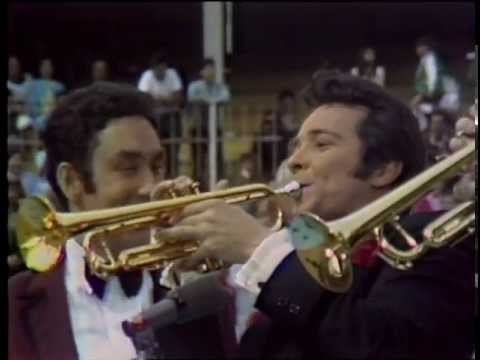
It's the mid-1960s and American pop radio is a riot of sounds: British invasion guitars, Motown grooves, surf harmonies, and somewhere right in the thick of it, the impossibly bright sting of a trumpet leading a band that sounds like sunshine bottled and sold. Herb Alpert & The Tijuana Brass were everywhere in 1966, and their instrumental take on "What Now My Love" turned a brooding French ballad into pure, kinetic delight. In a year ruled by vocal groups and electric guitars, an instrumental act stood out simply by sounding like nothing else on the dial.
The Improbable King of 1966
To understand this record you have to grasp just how dominant Alpert was that year. The Tijuana Brass were not a niche act; they were a cultural phenomenon, selling albums by the millions and stacking the charts with their signature blend of mariachi flavor and crisp pop polish. Alpert had built a sound that felt instantly recognizable, all those interlocking horns and that buoyant rhythm, and audiences could not get enough. At one remarkable stretch, the band held multiple albums in the upper reaches of the chart simultaneously, a feat almost unheard of. In that climate, almost anything the band touched turned to gold, and listeners trusted Alpert to deliver pleasure every time.
From French Lament to Brass Celebration
The song itself began life as "Et maintenant," a dramatic French chanson written by Gilbert Bécaud, a heavy, heartbroken thing about a man staring down emptiness after losing everything. Alpert's genius was transformation. He took that melancholy melody and ran it through the Tijuana Brass machine, replacing despair with momentum, swapping anguish for that unmistakable horn-led swagger. The result keeps the gorgeous tune intact while flipping its mood entirely, a sad song reborn as something you could dance to. This was Alpert's whole method, the alchemy of taking familiar material and recasting it in bright, brassy gold, and it worked because the melodies he chose were strong enough to survive the reinvention.
A Solid Climb Up the Hot 100
The single made a confident run. It debuted on the Billboard Hot 100 on March 19, 1966, entering at number 68, then climbed quickly through the spring. It reached its peak of number 24 on April 23, 1966, and logged a respectable eight weeks on the Hot 100. For an instrumental in an era increasingly ruled by vocal groups, cracking the top 25 was a genuine achievement, and it underlined just how broad Alpert's appeal really was. He reached audiences that the rock acts often missed: parents, easy-listening fans, and anyone who simply wanted music that felt good without demanding much.
A Sound That Defined an Era
The Tijuana Brass became shorthand for a certain kind of mid-sixties cool, the music of dinner parties and variety shows and easy-listening radio that nonetheless swung. "What Now My Love" sits comfortably among their best-loved sides, a perfect demonstration of how Alpert could take any melody and make it gleam. The band's influence stretched well beyond the charts; their albums became fixtures in countless American homes, the soundtrack to a whole stratum of sixties life. Decades on, that trumpet still cuts through, bright and unmistakable, the sound of an era that believed pop could be both sophisticated and irresistibly fun.
A Lasting Brand of Joy
What separates Alpert's work from mere nostalgia is its sheer craft. The arrangements are tight, the horns precise, the rhythms infectious, and the whole enterprise radiates an optimism that never feels forced. He went on to co-found a major record label and shape American music in ways far beyond his own recordings. But records like this one remain his calling card, proof that an instrumental could be every bit as joyful and immediate as the biggest vocal hit of the year.
Drop the needle and let those horns lift you. Few records from 1966 still feel this alive.
"What Now My Love" — Herb Alpert & The Tijuana Brass's singular moment on the 1960s charts.
02 Song Meaning
The Meaning Behind Herb Alpert's "What Now My Love"
An instrumental presents a curious puzzle. With no words to guide you, the meaning lives entirely in melody, arrangement, and feel. And yet "What Now My Love" carries a story in its bones, because the tune it borrows was built around one of the most desolate questions a person can ask.
A Question Without Words
The original French song posed a stark dilemma: with love gone and the future blank, what now? Where does a person turn when everything that gave life shape has vanished? Alpert's version never speaks those words, but the melody still carries that ache underneath its bright surface. The genius lies in the tension between the somber source material and the joyful treatment, a contrast that gives the recording an emotional depth it might otherwise lack.
Translation as Interpretation
What the Tijuana Brass arrangement really says is that the same melody can hold opposite emotions. By recasting a lament as a celebration, Alpert suggests something almost philosophical, that grief and joy share more than we think, that a tune capable of breaking your heart can also lift your spirits depending on how it's played. The instrumental becomes a conversation between sorrow and resilience, the original despair still audible beneath the new buoyancy. It is a quietly profound idea dressed up as light entertainment.
The Optimism of the Era
The mid-1960s American pop landscape favored brightness and forward motion, and Alpert's whole aesthetic embodied that optimism. Turning a tragic chanson into a horn-driven romp fits the mood of a culture that, at least on its sunny surface, wanted to keep moving and keep smiling. The Tijuana Brass sound offered exactly that kind of uplift, a musical answer to the era's appetite for confidence and cheer. The choice to make a sad song happy was, in its way, a statement about how the times wished to feel.
Why Listeners Embraced It
Audiences responded because the record delivered pleasure without demanding anything in return. You did not need to know the French original or its heartbreak to enjoy those gleaming horns. Yet for those who did, the version offered a quiet richness, the bittersweet awareness of sorrow transformed into delight. That double life is precisely why the recording endures. It works as pure fun for the casual listener and as something deeper for anyone who hears the longing hiding inside the brass. The melody travels easily across decades because it carries both moods at once, ready to mean whatever the listener brings to it. That openness, the way it greets joy and sorrow alike, is the secret of its staying power and the quiet reason it has outlived so many flashier hits of its moment.
→ More from Herb Alpert & The Tijuana Brass
View all Herb Alpert & The Tijuana Brass hits →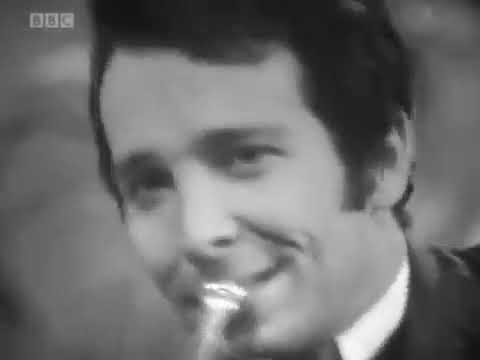

→ More from the 1960s File
View all 1960s hits →




Keep digging