The 1960s File Feature
Banzai Pipeline
How Henry Mancini Rode the Surf Wave on Banzai Pipeline Picture the summer of 1963, California's surf craze sweeping across America and reshaping pop music i…
01 The Story
How Henry Mancini Rode the Surf Wave on "Banzai Pipeline"
Picture the summer of 1963, California's surf craze sweeping across America and reshaping pop music in its image. Reverb-drenched guitars and instrumentals evoking sun, sand and ocean waves were flooding the airwaves, and the whole nation seemed caught up in the romance of the West Coast surf scene. Into this trend stepped one of the most respected names in all of music: Henry Mancini, the celebrated composer and orchestra leader. With this single, the master of sophisticated film and pop music turned his considerable talents toward the era's most fashionable sound.
A Master Composer at Work
By 1963 Henry Mancini was already one of the most acclaimed composers in popular music, a figure renowned for his sophisticated, melodic work in film and on record. He had won enormous respect for his memorable themes and his elegant orchestral arrangements. Mancini was among the most celebrated composers and bandleaders of his era, an artist whose name signified quality and craft. This single found him engaging with the popular surf instrumental trend of the moment, applying his considerable skill and orchestral sensibility to a sound that was sweeping the youth market.
The Sound of a Surf Instrumental
The track taps into the surf instrumental style that was so popular in 1963, evoking the energy and imagery of the ocean and the California beach scene. Named for a famous Hawaiian surf break, the song conjures the thrill and motion of the waves through its arrangement. Mancini brought his characteristic polish and orchestral craft to the form, lending the surf sound a touch of his trademark sophistication. The result captures the spirit of the trend while bearing the unmistakable mark of a master arranger at work, blending youthful energy with seasoned musicianship. The arrangement carries Mancini's signature polish, lending the surf sound a refinement few of his contemporaries in the genre could match. The instrumentation evokes the rush and motion of the waves while still bearing the careful, elegant touch that defined all of his finest work.
A Brief Appearance on the Hot 100
The single made its entry onto the Billboard Hot 100 on June 22, 1963, at number 93, which would also prove to be its peak position. The track spent just one week on the chart before departing, a fleeting appearance rather than a sustained run. While its time on the chart was short, the song remains an interesting footnote, capturing a celebrated composer momentarily embracing one of the most fashionable sounds of the year. Even a brief chart showing placed Mancini's name alongside the surf trend that defined the summer. For an artist better known for sweeping film themes than for youth-market instrumentals, the appearance reflected his willingness to engage with whatever sound was capturing the public imagination at the moment.
An Intriguing Curiosity in a Storied Career
In the vast and distinguished catalog of Henry Mancini, this single is a fascinating side note rather than a major work. It captures the great composer experimenting with a popular trend of the day, applying his sophisticated touch to the surf instrumental craze. The song stands as a reminder of Mancini's versatility and his willingness to engage with the sounds of the moment. For admirers of his work, it offers an intriguing glimpse of a master turning his hand to the youthful energy of the 1963 surf scene.
Press Play and Catch the Wave
Cue this one up and let it carry you to a California beach in the summer of 1963. There is real charm in hearing a master composer take on the surf sound, blending the era's youthful energy with his own seasoned polish. The arrangement evokes the motion of the waves, and Mancini's craft shines through every bar. It is a curious and delightful entry from a legendary talent, well worth a fresh listen for its sunny, surf-soaked spirit.
"Banzai Pipeline" — Henry Mancini And His Orchestra's singular moment on the 1960s charts.
02 Song Meaning
What "Banzai Pipeline" Evokes Without a Single Word
This is an instrumental, so its meaning lives entirely in mood, melody and atmosphere rather than in lyrics. Named for a famous and formidable Hawaiian surf break, the song conjures the imagery and excitement of the ocean, the waves and the California surf culture that gripped the nation in 1963. Its meaning is one of feeling and evocation, painting a vivid picture through sound alone.
The Theme of Ocean and Adventure
At its heart the piece evokes the thrill of the surf and the sea. The music conjures the motion, energy and excitement of riding the waves, capturing the adventurous spirit of surf culture. There are no words to spell out a message, yet the meaning comes through clearly in the arrangement, in the sense of motion and momentum it creates. The song is a musical portrait of the ocean's power and the exhilaration of the beach scene that so captivated young America at the time.
A Sound Tied to a Place
The meaning draws heavily on its evocative title and the imagery it summons. Naming the piece after a legendary surf break roots it firmly in the romance of the Hawaiian and California beach world. That association shapes how the listener hears the music, coloring it with images of sun, sand and crashing waves. The title invites the listener to imagine a specific place and experience, giving the instrumental a concrete sense of setting and atmosphere that words alone might not achieve.
Sophistication Meets Youthful Energy
The meaning is enriched by the contrast at the heart of the recording. A master composer brought his refined, orchestral sensibility to a youthful, trendy sound. This blend gives the piece a distinctive character, marrying the energy of the surf craze with a more polished musical craft. The result feels both fashionable and sophisticated, a meeting of the era's pop trends with seasoned artistry. That combination is part of what makes the instrumental interesting beyond its surface appeal.
Why It Captured the Moment
The piece connected with the spirit of its time. The surf sound was hugely popular in 1963, and listeners were drawn to music that evoked the beach and the ocean. This instrumental tapped directly into that appetite, offering the imagery and energy of surf culture in a polished package. For audiences caught up in the California craze, the song provided exactly the sunny, wave-soaked mood they craved, capturing a feeling that defined the summer.
A Musical Snapshot of a Craze
The lasting meaning of the piece is its evocation of a specific cultural moment. It captures the energy, imagery and romance of the 1963 surf craze through sound alone, conjuring the ocean and the beach without a single word. That ability to paint a vivid picture and summon a particular feeling is the instrumental's true achievement. It remains a sunny, evocative reminder of a time when surf culture swept across American popular music.
→ More from Henry Mancini And His Orchestra
View all Henry Mancini And His Orchestra hits →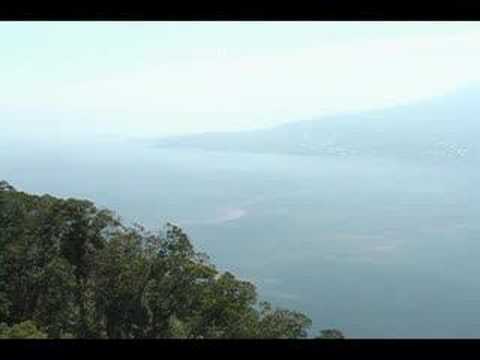


→ More from the 1960s File
View all 1960s hits →




Keep digging