The 1960s File Feature
Everybody Loves A Clown
Everybody Loves A Clown — Gary Lewis And The Playboys: Chart History and 1965 Context Gary Lewis And The Playboys achieved one of the more remarkable debut r…
01 The Story
Everybody Loves A Clown — Gary Lewis And The Playboys: Chart History and 1965 Context
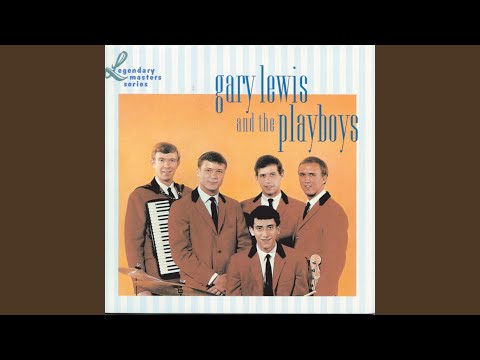
Gary Lewis And The Playboys achieved one of the more remarkable debut runs in mid-sixties pop history, charting several singles in rapid succession during 1965 and early 1966. "Everybody Loves A Clown" was among the strongest of these, peaking at number four on the Billboard Hot 100 in the fall of 1965 and confirming the group's status as one of the most commercially potent acts of the British Invasion-dominated era, despite being definitively American in origin.
Gary Lewis was the son of comedian Jerry Lewis, a fact that generated both publicity and skepticism in roughly equal measure. Critics and industry observers sometimes dismissed the group as a novelty act riding on a famous name, but the chart results made those dismissals increasingly difficult to sustain. The Playboys were a working band with genuine instrumental ability, and Gary Lewis himself had been playing drums since adolescence, initially as part of his social life at private school rather than in pursuit of professional ambitions.
The group came together in Los Angeles in 1964, and their debut single "This Diamond Ring" had been a number one hit on the Hot 100 in February 1965, written by Al Kooper, Bob Brass, and Irwin Levine and produced by Leon Russell before his own celebrity as a recording artist had been established. That opener set expectations impossibly high, and the group spent the remainder of 1965 demonstrating that they could sustain commercial momentum without simply replicating the formula.
"Everybody Loves A Clown" was written by Gary Lewis with Tommy Boyce and Bobby Hart, the songwriting team who would later become famous for their work with the Monkees. Produced by Snuff Garrett at Liberty Records, the song shared the clean, bright production aesthetic that Garrett brought to much of the label's pop output during this period. Garrett was one of the most reliable commercial producers in the industry, with a track record of turning well-crafted pop songs into radio-friendly recordings that translated directly to chart performance.
The Liberty Records promotional machine worked effectively on the single, which entered the charts in September 1965 and climbed steadily over the following weeks. Its peak of number four placed it among the top pop hits of the fall season, competing in a market that still contained significant British Invasion presence but was increasingly seeing American acts reassert themselves. Gary Lewis And The Playboys were part of a cohort of domestic artists, including the Byrds, the Turtles, and others, who were finding ways to compete with and sometimes surpass the British imports that had dominated 1964.
The group's appeal in 1965 was partly a matter of timing and partly a genuine musical proposition. Their sound was sunny, melodically direct, and built around vocal hooks that worked immediately on radio. Unlike some of the more psychedelically inclined California groups that would emerge later in the decade, the Playboys were firmly rooted in the pop tradition of the early sixties, polished and professional rather than experimental. This made them enormously effective in the commercial mainstream while also, ultimately, limiting their longevity as styles evolved.
Following "Everybody Loves A Clown," the group would continue releasing successful singles through 1966 and into 1967. Gary Lewis's career was then interrupted by military service, and when he returned, the pop landscape had shifted sufficiently that the momentum was difficult to rebuild. But in 1965, the chart run was genuinely impressive, and "Everybody Loves A Clown" stands as one of the high points of that concentrated period of commercial success.
The song received heavy radio airplay throughout the fall of 1965 and contributed to the album that Liberty compiled around the group's single releases. In retrospect, it represents an important document of the mid-sixties American pop mainstream at a transitional moment, when the British Invasion's initial shock was absorbing and the domestic industry was organizing its response through acts that could deliver consistent melodic pop product with professional polish and effective radio presence.
02 Song Meaning
Everybody Loves A Clown — Themes, Meaning, and Emotional Register
"Everybody Loves A Clown" uses the familiar cultural figure of the clown as a framework for exploring a specific and emotionally recognizable situation: being publicly cheerful and entertaining while privately experiencing pain, rejection, or unrequited feeling. The song belongs to a long tradition of popular music that uses the performer figure as a metaphor for emotional concealment, with roots in Italian operatic tradition and extending forward through decades of pop and country songwriting.
The song's narrator describes himself as someone who conceals genuine romantic suffering behind a performance of happiness and humor. He is aware that his entertaining exterior prevents the person he cares about from taking his feelings seriously, and he is caught between the role that has brought him social acceptance and the authentic emotional state that this role continually obscures. This tension between performance and reality, between the face presented to the world and the inner life it conceals, gives the song a degree of psychological complexity that sits interestingly within its cheerful, radio-friendly sonic presentation.
The contrast between the song's bright, melodically upbeat production and its underlying theme of emotional frustration is itself part of the meaning. In 1965, Snuff Garrett's production aesthetic prioritized sonic brightness and forward momentum, qualities that served the commercial context of AM radio but also created an interesting dissonance when applied to a lyric about concealed pain. The listener experiences something similar to what the narrator describes: a pleasant surface beneath which less comfortable emotions are operating.
For Gary Lewis, whose celebrity partly derived from his father's identity as a professional comedian and entertainer, the clown metaphor may have carried personal resonance beyond the literal lyrical content. The question of how a famous name shapes public perception, and whether genuine emotional experience can be communicated through or around that inherited public identity, is one that the song's themes touch on obliquely without addressing directly. The biographical parallel is suggestive rather than definitive, but it gives the song an additional layer for listeners aware of the context.
The emotional register of the track is one of wry, melancholy self-awareness. The narrator is not devastated but rather ruefully observant of his own situation, noting the irony of his predicament with the kind of detached clarity that comes from having seen it clearly enough to put it into words. This tone, somewhere between complaint and acceptance, gives the song its distinctive character and prevents it from becoming either maudlin or aggressively self-pitying.
In the context of 1965 pop songwriting, the song also represents the period's willingness to use apparently light, commercial formats as vehicles for genuine emotional content. The mid-sixties pop mainstream was more emotionally sophisticated than it is sometimes given credit for, with writers like Boyce and Hart demonstrating that the three-minute AM radio format could accommodate real psychological nuance within its formal constraints. "Everybody Loves A Clown" is a good example of that capacity, delivering an emotionally honest observation about self-presentation and romantic vulnerability within a package optimized for radio play and commercial appeal.
The song has retained a nostalgic warmth in retrospect partly because its emotional subject matter is genuinely timeless. The experience of performing cheerfulness as a social survival strategy while experiencing private emotional difficulty is one that requires no period-specific context to remain legible, and Gary Lewis's vocal performance communicates just enough genuine feeling beneath the polished pop surface to make the song's emotional argument credible to listeners across multiple generations.
→ More from Gary Lewis And The Playboys
View all Gary Lewis And The Playboys hits →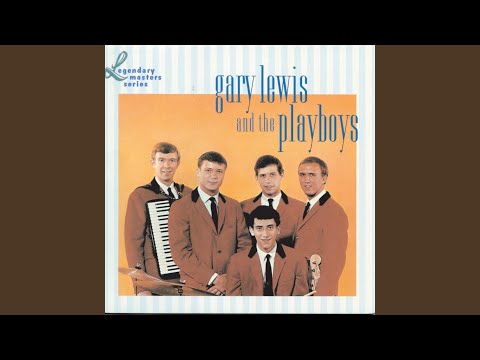
→ More from the 1960s File
View all 1960s hits →




Keep digging